
Trees
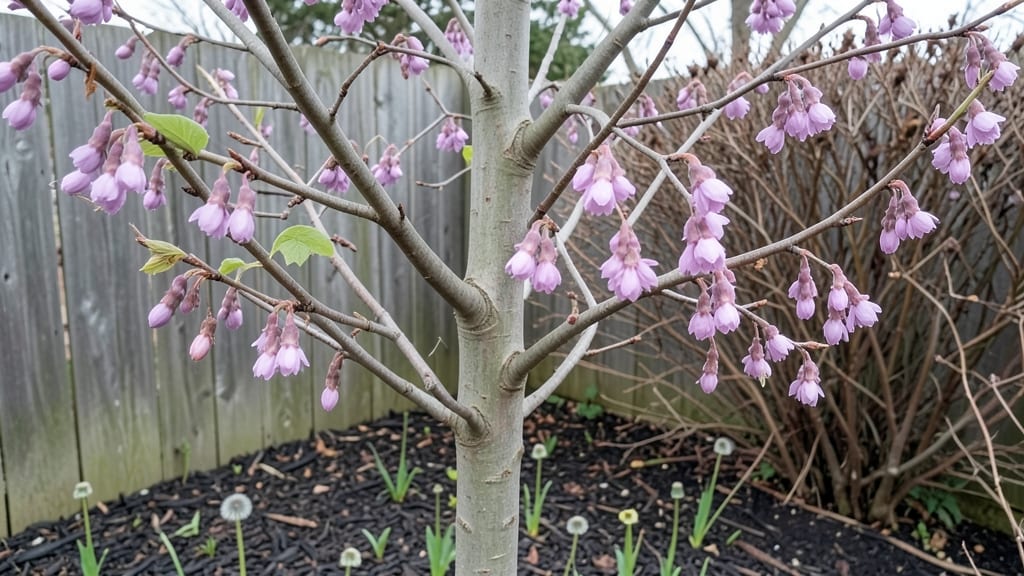
The Eastern Redbud 🌸 bloom transforms bare branches into a riot of pink-purple color each spring, making it one of the first trees to announce the season’s arrival.
Picture this: a quiet woodland edge erupting with delicate blossoms before the leaves even bud, or your backyard awash in soft lavender hues when the air still carries a hint of winter chill. But catching this fleeting spectacle depends on knowing exactly when—and where—to look.
Timing is everything with redbuds, as their bloom window shifts dramatically depending on your zone. In Zone 6a, expect those iconic flowers to burst forth as early as late March, while cooler climates may see them linger into May.
Even sunlight exposure and soil health play a role in whether your tree puts on its best show.
In this guide, I’ll break down the perfect conditions for spotting (and growing) showstopping redbud blooms—plus the subtle cues that tell you your tree is about to put on its annual spring performance.
When do redbud trees bloom: seasonal timing and climate factors
The redbud tree (Cercis canadensis) is famous for its early spring blooms that appear before the leaves emerge, creating a stunning visual effect. Typically, these pink-purple flowers burst forth in March or April, but the exact timing depends on your climate zone and local weather patterns.
Understanding these factors will help you plan when to admire—and cultivate—this ornamental tree at its peak.
In southern climates like USDA Zones 7-9, redbuds often bloom as early as late February, sometimes even in January during mild winters. Meanwhile, in northern regions (Zones 4-6), blooms may not appear until late April or early May, especially after a hard frost.
These variations make timing everything for optimal bloom viewing.
Temperature plays a critical role in triggering redbud blooms. These trees rely on chilling hours (cold winter temperatures) followed by warm spring days. In Zone 7, for example, blooms typically appear when daytime temperatures consistently reach 50°F (10°C) for at least three weeks.
If winter was unusually mild, blooms may arrive earlier than expected.
Sunlight also influences bloom timing. While redbuds tolerate partial shade, they produce fewer flowers in low-light conditions. For maximum blooms, plant your tree in a spot with at least 6 hours of direct sunlight.
In shadier locations, flowering may be delayed or less vibrant. Even in full sun, drought stress can push back bloom time, so consistent watering in early spring supports healthy buds.
Soil conditions matter too. Redbuds prefer well-draining soil with a slightly acidic to neutral pH (6.0-7.0). Heavy, waterlogged soils can delay blooming by stressing the tree, while sandy soils may cause early flowering followed by weak growth.
Amending your soil with compost before planting ensures the right balance for optimal bloom production.
If you’re eager to see redbud blooms earlier, consider planting a dwarf variety like ‘Ruby Falls’ or ‘Lavender Twist,’ which often bloom slightly ahead of standard types. These cultivars also adapt well to container gardening, giving you flexibility to place them in the sunniest spot.
For northern gardeners, choose cold-hardy varieties like ‘Eastern Redbud’ or ‘Forest Pansy’ to minimize frost-related delays.
To track bloom timing, mark your calendar when buds swell (usually in late winter). Watch for color changes from green to pink, signaling blooms are 1-2 weeks away.
In urban areas, heat islands can cause blooms to appear 10-14 days earlier than in rural settings. Keep a seasonal checklist to note variations year to year.
For the best viewing experience, plan a spring walk during peak bloom, which typically lasts 2-3 weeks. Pair your redbud with early-blooming bulbs like daffodils or crocuses to extend the colorful display.
In southern gardens, you might even catch second flushes of flowers in late spring if conditions are ideal.
Remember, redbuds are deciduous, so their bare branches make the pink blooms stand out dramatically. If you miss the spring show, don’t worry—their heart-shaped leaves and summer foliage add year-round interest. With the right location and care, your redbud will reward you with vibrant blooms for decades.
🌸
How to identify redbud blooms: leaf, flower, and tree characteristics
The redbud tree (Cercis canadensis) bursts into bloom with pink-purple flowers that appear before its leaves—a stunning contrast against bare branches. Unlike many spring bloomers, redbud flowers cluster along branches in a cascading effect, making them unmistakable once you know what to look for.
Their unique heart-shaped leaves emerge shortly after flowering, adding another layer of identification.
To avoid confusing redbud blooms with similar trees like dogwood or cherry blossoms, focus on three key features: flower clusters, leaf timing, and tree shape.
Redbuds bloom earlier than most competitors, often in late winter to early spring, and their flowers fade into lavender hues as they age. Let’s break down these distinguishing traits for a foolproof ID.
| Feature | Redbud (Cercis canadensis) | Dogwood (Cornus florida) | Cherry Blossom (Prunus serrulata) |
|---|---|---|---|
| Flower Color | Pink to lavender | White or pale pink | White or soft pink |
| Flower Shape | Pea-like clusters along branches | Single bracts (4 petals) | Clustered, delicate, individual blooms |
| Leaf Timing | Emerges after flowers | Emerges with flowers | Emerges after flowers |
| Tree Shape | Round, multi-trunked | Single trunk, vase-shaped | Oval, upright with layered branches |
| Flower Duration | 2-3 weeks | 1-2 weeks | 1-2 weeks |
| Leaf Shape | Heart-shaped, 3-5 inches | Oval, 4-8 inches | Lance-shaped, 3-6 inches |
The redbud’s flowers are unique because they bloom directly on woody branches, not just new growth. This means even mature trees display vibrant blooms along their older stems.
Look for clusters of 5-10 flowers per stem—unlike cherry blossoms, which have more delicate, individual blooms. The lavender tint that develops as flowers age is another dead giveaway.
One of the easiest ways to confirm you’ve spotted a redbud is to check the leaf emergence timing. While dogwoods and cherry blossoms often have leaves unfurling alongside their flowers, redbuds bloom first, with leaves appearing 1-2 weeks later.
This delayed leafing is a hallmark of the species. If you see bare branches with pink clusters in early spring, you’re likely looking at a redbud.
Redbud trees also have a distinctive rounded canopy and often grow multiple trunks from the base, unlike the single-trunk structure of dogwoods or cherry trees. Mature redbuds reach 20-30 feet tall but typically stay narrower than their competitors, making their flower displays even more striking against their compact form.
For best viewing, position yourself 5-10 feet away to appreciate the full effect.
Pro tip: If you’re still unsure, snap a photo and compare it to the flower clusters and leaf shapes in this guide.
Redbuds are early spring bloomers, so timing is your best friend—most other trees won’t be in full bloom until late March or April, while redbuds often start as early as February in mild climates.