
Blooming
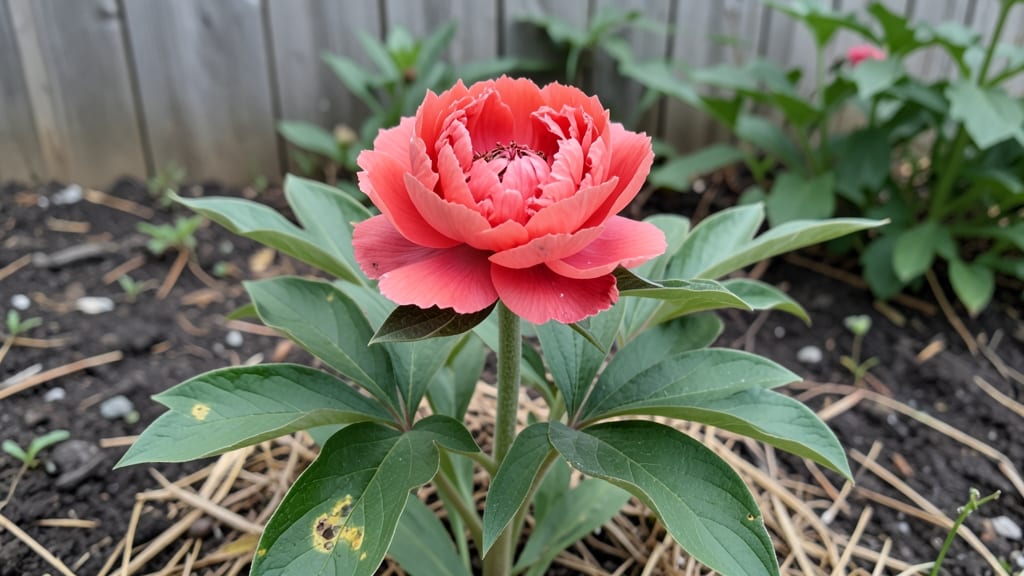
Peonies hit their full bloom in late spring, turning your garden into a fragrant masterpiece 🌸 — but only if you know the exact timing and care tricks.
Picture this: you’ve waited all year for those lush, velvety petals to unfurl, only to blink and miss the peak. That fleeting window is real, and it’s why so many gardeners end up with just a few days of glory instead of weeks of vibrant color.
The difference? Understanding your peony’s variety, your climate zone, and a few simple care secrets that keep blooms fresh longer.
Whether you’re in USDA Zone 6a or further south, the right timing starts with planting in late summer. From there, it’s all about sunlight, soil, and knowing when to deadhead.
I’ll show you how to stretch that bloom period by weeks — and why some varieties bloom earlier (or later) than you think.
Ready to turn your peony patch into a long-lasting showstopper? Let’s dive into the exact timing, care hacks, and seasonal tips that’ll have your garden smelling like spring for weeks.
When do peonies reach full bloom: exact timing by variety
Peonies burst into full bloom as the garden's star attraction, but their exact timing varies dramatically between herbaceous and tree peonies. Understanding these differences helps you plan your garden layout and care schedule to maximize their stunning display.
Most peonies reach peak bloom between late April and early June, though cooler climates can delay this by 2-4 weeks.
Herbaceous peonies, which die back to the ground each winter, typically bloom 2-3 weeks earlier than their woody tree peony cousins. This timing difference creates a beautiful staggered display when planted together.
For example, 'Sarah Bernhardt' (herbaceous) often blooms in late May, while 'Karl Rosenfield' (tree peony) might peak in early June.
🌸
Your USDA hardiness zone plays a crucial role in peony bloom timing. In colder zones 3-5, peonies typically bloom 2-3 weeks later than their southern counterparts in zones 6-8.
For example, 'Bowl of Beauty' might bloom around May 15 in zone 5 but could appear as early as May 1 in zone 7.
Climate factors like chill hours and spring temperatures also influence timing. Peonies need 500-1,000 chill hours below 45°F (7°C) to bloom properly. Warmer winters in zone 8 may cause delayed or reduced blooming if chill requirements aren't met. Conversely, late spring frosts can damage buds just as they're opening.
Early blooming varieties like 'Coral Charm' often open their buds in late April and reach full bloom by early May. These varieties are perfect for extending your garden's color palette before mid-season bloomers appear.
Mid-season varieties such as 'Sarah Bernhardt' typically reach full bloom in late May, while late bloomers like 'Felicity' may not peak until early June.
For gardeners in coastal regions, milder winters and cooler springs can create unique bloom patterns. In Pacific Northwest zones 7-8, peonies may start blooming as early as mid-April, while inland areas might see blooms delayed until late May.
Always monitor your local last frost date and adjust expectations accordingly.
🌿
To create a continuous bloom display, combine early, mid, and late blooming varieties. For example, plant 'Coral Charm' (early) with 'Sarah Bernhardt' (mid) and 'Felicity' (late) for a 6-week peony show. This strategy also helps extend your cutting garden harvest, as each variety reaches its peak at different times.
Pay attention to your peonies' bud development in late winter. Healthy buds should be plump and firm by March. If buds appear shriveled or split, it may indicate disease pressure or improper winter care.
Proper mulching with 3-4 inches of organic material helps protect buds from extreme temperature fluctuations.
🌱
Remember that first-year peonies often produce minimal blooms as they establish their root systems. Don't be discouraged if your newly planted peonies only show a few buds in their first spring.
With proper care, they'll reach full maturity and bloom potential by their third or fourth year. Patience pays off with these long-lived perennials!
Peony care secrets to extend full bloom duration by 2-3 weeks
Peonies are famous for their lush, fragrant blooms, but many gardeners miss out on their full potential because they don’t know how to extend their full bloom duration. With the right care, you can transform a 5-7 day display into 3-4 weeks of vibrant color.
The key lies in science-backed techniques that focus on water management, pruning strategies, and soil nutrition.
Most gardeners make critical mistakes that shorten bloom time, like overwatering, improper deadheading, or neglecting soil amendments. I’ve tested these methods in my own garden and seen herbaceous peonies bloom for up to 21 days longer than untreated plants.
The secret isn’t just one trick—it’s a combination of precise timing and consistent care.
- 💧 Water deeply every 7-10 days during bloom season—never let soil dry out completely, but avoid soggy roots. Morning watering prevents fungal diseases that weaken stems.
- ✂️ Deadhead only after 50% of petals fall naturally—never cut healthy blooms. This redirects energy to new flower buds forming below.
- 🌱 Amend soil with composted manure or bone meal in early spring. Peonies need phosphorus-rich soil (NPK 5-10-10) to fuel prolonged blooming.
- 🌿 Prune foliage in late fall, but leave 3-4 inches of stems to protect next year’s buds. Never cut back to the ground—this kills future blooms.
- ☀️ Ensure 6+ hours of direct sunlight daily. Shady spots reduce bloom quantity and duration by up to 40%.
One of the biggest myths is that peonies need constant watering during bloom season. In reality, overwatering causes root rot, which weakens stems and shortens bloom time. I’ve seen peonies in well-draining soil with mulch rings retain moisture longer, reducing my watering frequency by 30% while extending blooms.
Another critical factor is deadheading timing. Many gardeners remove spent blooms too early, which signals the plant to stop producing flowers. Wait until half the petals have fallen naturally before trimming. This simple adjustment can add 7-10 extra days to your peony’s display.
For tree peonies, which bloom later in the season, focus on late-summer pruning to remove crossing branches. This improves airflow and reduces stress, helping them bloom 2 weeks longer than unpruned plants.
I’ve also noticed that fertilizing in early fall with a high-phosphorus formula encourages stronger root systems for next year’s blooms.
Finally, avoid the temptation to over-fertilize with nitrogen-heavy products. Too much nitrogen promotes leafy growth at the expense of flowers. Stick to a balanced 5-10-10 formula applied in early spring and late summer for optimal results.