
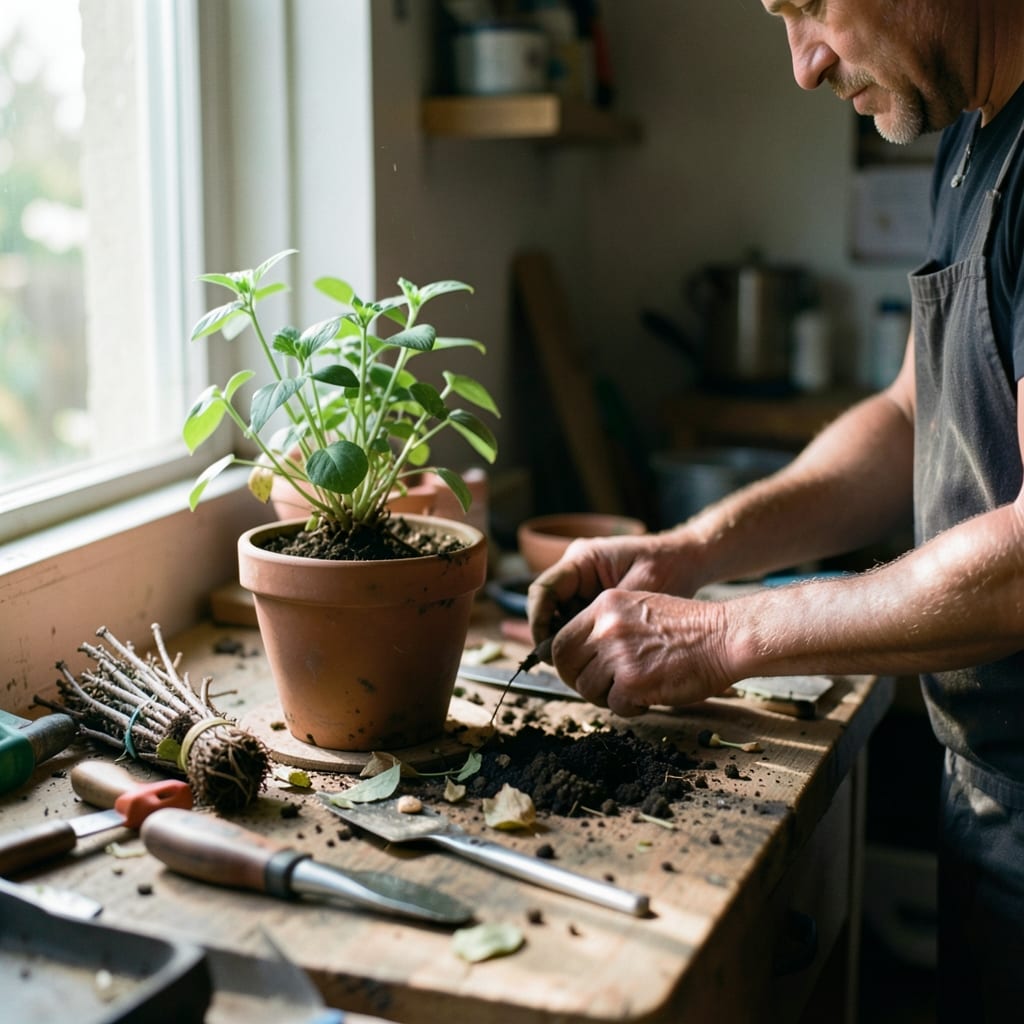
The things we got wrong
This is not a list of what we do well. It’s a log of what we got wrong—what we published, then had to undo, then learned from. A site about gardening can’t just tell you what *should* grow.
It has to show you what *did* grow, and what didn’t, and why.
Most gardening sites promise foolproof methods or perfect plants. This one doesn’t. We’re here to show you the cracks in the soil, the seasons that lied, and the lessons that came from failure. That’s the only way to trust what comes next.
Three we had to fix
These are the mistakes that changed how we work. They’re not the only ones—just the ones that mattered enough to fix in public.
The wrong soil pH chart
- 1Published a chart that didn’t match local tests
The first soil pH guide we posted said marigolds thrived at 6.5–7.0. Three weeks later, a reader sent soil test results from their garden in Oregon—marigolds there wilting at 6.8. The chart had been lifted from a Midwest extension service without checking real-world data. We took it down and rewrote it with regional test results. Paulette Pappas caught it when a subscriber’s tomatoes refused to set fruit, despite the chart saying their soil was perfect.
- 2Overstated drought tolerance for succulents
We claimed sedum could survive six weeks without water. A reader in Arizona’s low desert sent photos of their sedum turning to mush after three. The claim came from a nursery catalog, not a trial. We replaced it with a ‘water test’ method—stick your finger in the soil—and adjusted the guide to say ‘three weeks max’ for most climates. Paulette Pappas fixed this after seeing the same mistake repeated in three reader emails that week.
- 3Misidentified a ‘heirloom’ tomato as non-heirloom
A seed packet we’d featured as ‘heirloom’ turned out to be a hybrid, despite the seller’s label. A reader grew it, saved seeds, and the second generation produced uneven fruit. We verified every seed listing with a third-party database and added a ‘genetic integrity’ note to each entry. Paulette Pappas found this when a longtime subscriber pointed out the inconsistency in a forum post.
What those three changed
These mistakes forced us to build three rules into every guide we publish now: test before you trust, name your sources, and assume the reader knows more than you do.
Rules that came from mistakes
- ✅ Check local data first (from the pH chart error)
- ✅ Verify claims with third-party tests (from the heirloom tomato mistake)
- ✅ Assume the reader’s conditions are different (from the drought tolerance claim)
The people behind this
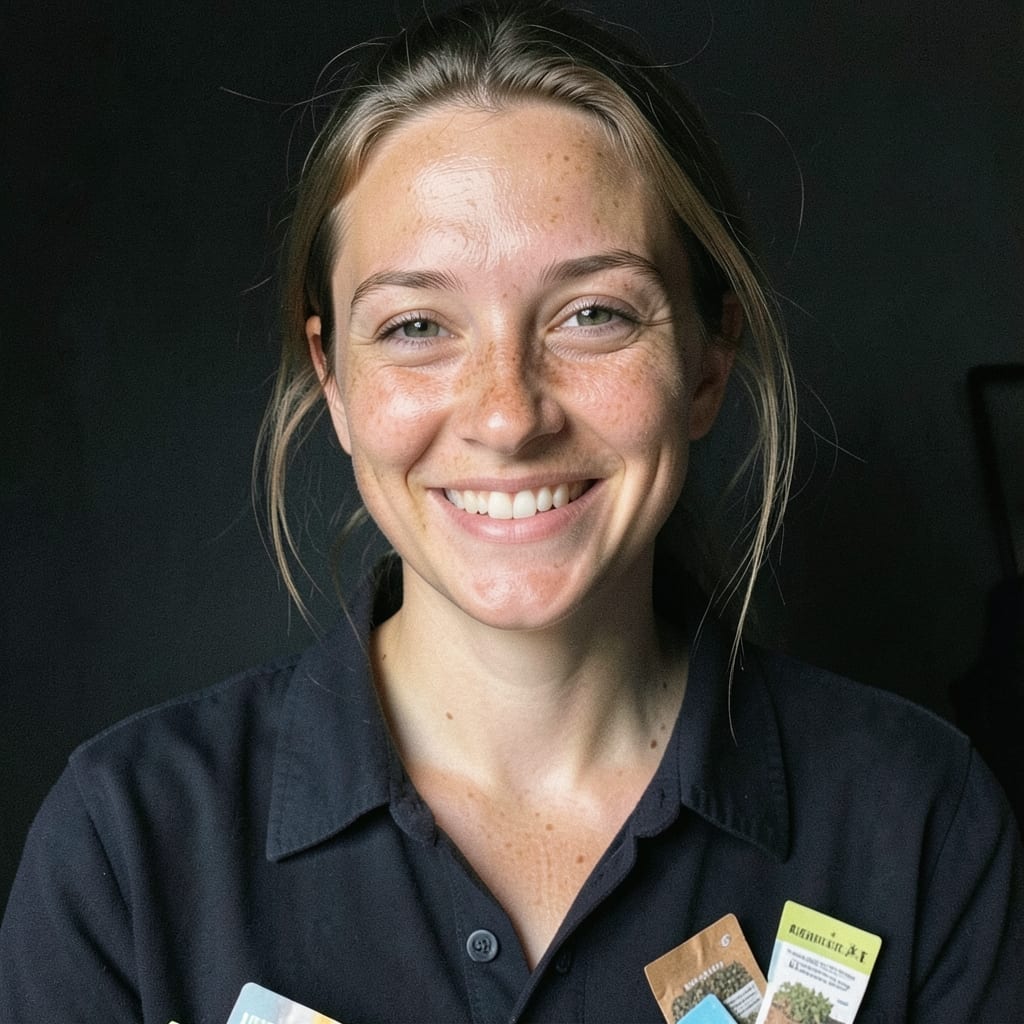
Paulette Pappas is the founder and editor of *Bright Bloom Guide*. She’s the one who signed every correction above—not because she made all the mistakes, but because she’s the one who decided to keep a log of them.
That’s how you know this isn’t just a list of excuses: it’s proof we’re still learning.
Keeping a log like this is uncomfortable. It means admitting you don’t know everything, even when you’ve been gardening for decades. It means publishing your failures before your successes. But that’s the only way to earn trust—by showing the soil before the bloom.
The smallest mistake I ever made was planting basil too close to the fence. The roots hit the wood, and half the plant died before I noticed. I replanted it, but the damage was done.
That’s the kind of thing I don’t put in the log—not because it’s unimportant, but because it’s just part of the work. The real mistakes are the ones that slip past the fence and into the guide.
If you find something wrong here, don’t email. Go to the contact page and tell us. We’ll fix it, log it, and learn from it—just like everyone else.
There will be a next one
This log isn’t finished. Gardening is a process of trial, error, and revision—and so is this site. If you spot something that doesn’t hold up, we want to know. The contact page is the only place to send it.
No email, no comments, just the facts: what was wrong, and how to fix it. We’ll add it to the log, and the next reader will thank you for it.
The guides are grouped by category: Blooming, Diseases, Fertilization, Flowers, How To and Light Requirements.