
Blooming
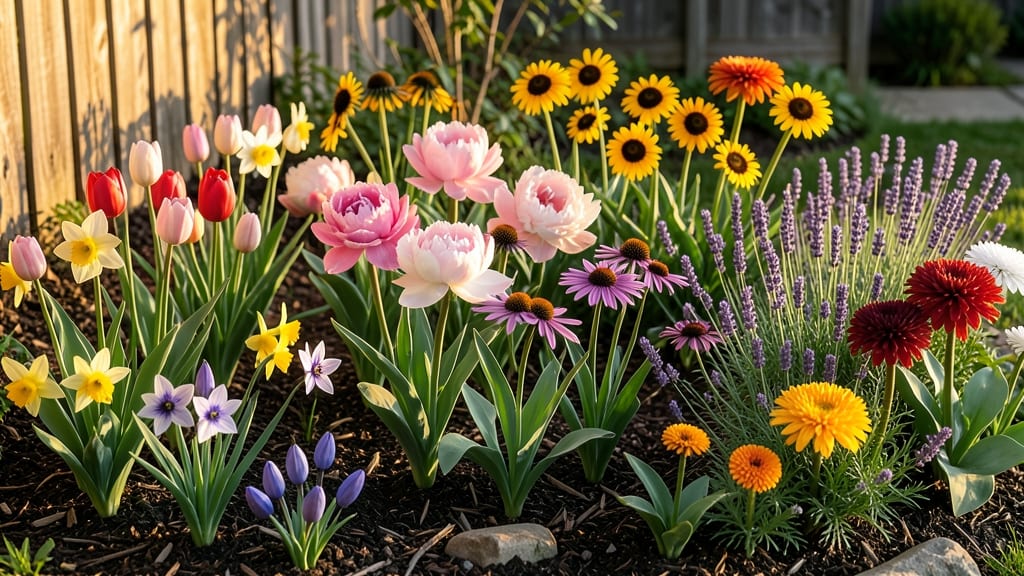
What's currently blooming now varies by your location and climate zone, with hardy perennials like crocuses and daffodils appearing first in cooler regions, while azaleas and dogwoods burst into color in milder areas by late March. Warm-season favorites—such as roses, sunflowers, and hydrangeas—peak in summer, while fall brings vibrant chrysanthemums and goldenrods before plants retreat for winter.
What's currently blooming now is nature's way of showing off its seasonal calendar, with each plant responding to specific temperature cues and daylight hours. 🌸 In cooler zones (USDA 3-6), early bloomers like snowdrops and tulips often appear in February, while warmer climates (USDA 7-10) may see camellias and jasmine flowering as early as January.
The key difference lies in chilling requirements—some plants need winter cold to trigger spring blooms, while others thrive year-round in mild conditions. I always check local garden societies for hyper-local bloom reports, as microclimates can shift timelines by weeks.
For gardeners eager to extend bloom seasons, strategic planning makes all the difference. Planting sequential bloomers—like pairing early daffodils with late-summer black-eyed Susans—creates continuous color. 🌼 In drought-prone areas, native plants often bloom longer because they're adapted to local water patterns.
The National Gardening Association offers free bloom-tracking tools that sync with your ZIP code, making it easy to plan your garden's performance year-round.
💡 In This Article
- Seasonal Bloom Cycles by Climate Zone
- How to Track Local Blooms with Free Tools
Seasonal bloom cycles by climate Zone
The timing of blooms is primarily controlled by two key factors: vernalization (cold exposure) and photoperiodism (daylight length). Plants in USDA zones 3-6 often require 6-8 weeks of temperatures below 40°F to break dormancy and trigger spring blooms like tulips and peonies.
In contrast, zones 7-10 experience milder winters, allowing camellias and bougainvillea to bloom almost year-round, with peaks in late winter and early spring. 🌸 The difference is dramatic—tulips in Zone 5 won’t emerge until soil temperatures hit 50°F, while bougainvillea in Zone 9 may flower as early as January when nights stay above 55°F.
Daylight length plays an equally critical role. Short-day plants like chrysanthemums and poinsettias bloom in fall when daylight drops below 12 hours, while long-day plants such as sunflowers and roses need 14+ hours of light to trigger summer blooms.
In Zone 4, early bloomers like crocuses may appear in March, but a late frost can devastate them—these plants have evolved to tolerate -20°F but can’t withstand freezing while in bloom.
Meanwhile, in Zone 8, azaleas often peak in April, their vibrant displays lasting 3-4 weeks thanks to consistent 60-70°F temperatures and high humidity.
Soil conditions also influence bloom timing. Well-draining soil prevents root rot, which can delay flowering, while rich organic matter provides the nutrients needed for robust blooms. For example, hydrangeas in Zone 6 thrive in acidic soil (pH 5.0-6.0), producing blue flowers, but turn pink in alkaline conditions.
In Zone 10, succulents like desert roses bloom in response to monsoon rains, their flowers lasting just 24-48 hours—a fleeting but spectacular display. 🌵 Understanding these triggers helps gardeners choose plants that align with their local conditions, ensuring vibrant displays year-round.
Microclimates further complicate bloom timing. A south-facing wall can create a 5-10°F warmer zone than the surrounding area, allowing plants like roses to bloom 2-3 weeks earlier in spring. Similarly, urban heat islands—where pavement and buildings trap heat—can shift bloom cycles by 1-2 weeks compared to rural areas.
This is why local botanical gardens often serve as the best indicators: their curated collections account for these variations, providing real-time bloom data that generic zone charts can’t.
For gardeners in transition zones (like Zone 7), the challenge is balancing early and late bloomers. Planting sequential bloomers—such as early daffodils followed by late-summer black-eyed Susans—creates a 10-month flowering window.
In Zone 3, where winters are harsh, choosing cold-hardy perennials like coneflowers ensures blooms even in -30°F conditions. The key is matching plant hardiness ratings to your zone while accounting for microclimates and soil conditions. 🌼
What most people overlook is how pollinators influence bloom timing. Bees and butterflies often emerge before plants are fully open, creating a delicate balance. For instance, early spring crocuses rely on bees that wake up as temperatures rise above 50°F.
In Zone 9**, where winters are mild, some plants like jasmine bloom in January to coincide with early pollinator activity. This ecological dance explains why some gardens in warmer zones have longer bloom seasons—the pollinators are active year-round, creating a continuous cycle of color and life.