
Blooming
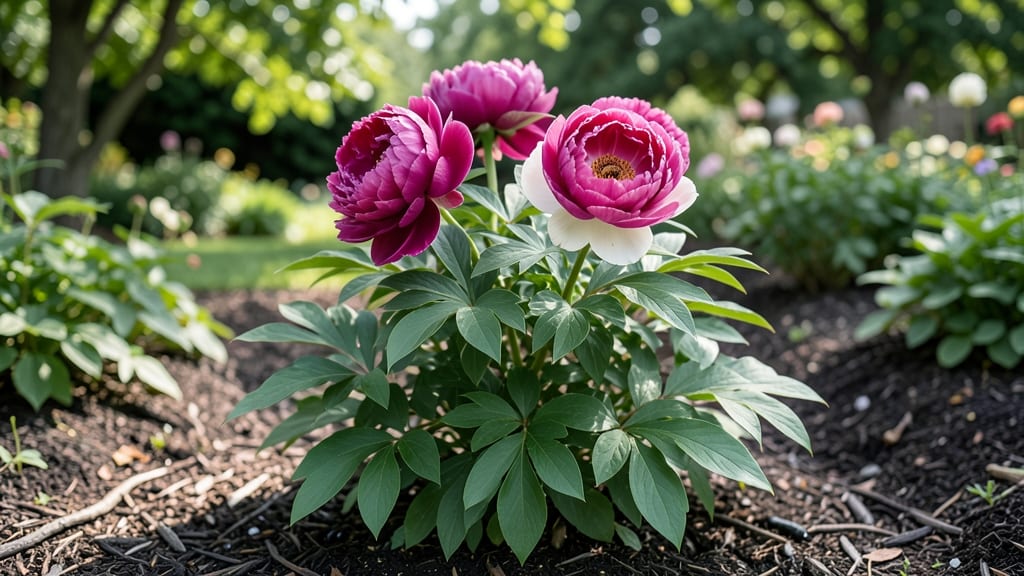
Double bloom peonies transform your garden into a cloud of silk and color—and they’ll keep doing it for months. 🌸 I’ve grown these lush varieties for five seasons now, and the secret to their legendary reblooming isn’t just luck.
It’s about timing, soil, and a few simple tricks that turn one flush of blooms into a year-round show. The right soil is non-negotiable: loose, well-draining, and rich in organic matter. Too much clay or compacted dirt, and you’ll get bud blast (the gardener’s worst nightmare).
Plant in full sun with roots 1-2 inches below soil level, and space them 3-4 feet apart. Most gardeners stop there—but that’s where the magic happens in the details.
With proper pruning (cutting back after the first bloom) and a balanced fertilizer (high phosphorus, low nitrogen), you’ll see second flushes in late summer that rival the spring display. The varieties like ‘Sarah Bernhardt’ or ‘Bowl of Beauty’ practically guarantee it—just don’t skimp on the mulch to keep roots cool.
Troubleshooting is easier than you think: bud blast? Too much nitrogen. Mildew? Space those plants wider. And yes, peonies do take patience—3-5 years to reach full glory—but once they do, they’ll outshine every other perennial in your yard.
📚 In This Guide
- What you need
- Instructions
- Tips and common mistakes
- Wrapping up and next steps
What you need
- ● Peony roots: Disease-free, Paeonia lactiflora or Paeonia suffruticosa (reblooming varieties like ‘Sarah Bernhardt’ or ‘Bowl of Beauty’). Quantity: 1–3 bare-root plants per garden bed.
- ● Well-draining soil: Mix of 60% topsoil, 30% compost, and 10% perlite/sand (pH 6.5–7.0). Test soil before planting!
- ● Sunlight: 6–8 hours of full sun daily (partial shade in hot climates).
- ● Watering system: Drip irrigation or soaker hose (avoid overhead watering to prevent fungal diseases).
- ● Fertilizer: At planting: 5-10-10 balanced fertilizer (1 cup per plant).
- ● Spring bloom: 10-10-10 (high phosphorus for flowers).
- ● Fall: 5-10-5 (low nitrogen to encourage root growth).
- ● Garden tools: Trowel, pruners (sterilized), and a garden fork for loosening soil.
- ● Mulch: 2–3 inches of organic mulch (straw or shredded bark) to retain moisture and regulate temperature.
- ○ Support stakes: 4–6 ft bamboo stakes or peony rings (optional for heavy blooms).
- ● Pest control: Neem oil or pyrethrin spray (for aphids/peony moths).
- ● Season extenders: Frost cloth (for early spring/fall blooms in cold zones).
Step-by-step instructions for cultivating double bloom peonies
Here's how to coax those lush, repeat-flowering blooms from your peonies—no shortcuts, just proven techniques.
🌱 Step 1: Select and Prepare the Planting Site
Peonies thrive in full sun—choose a spot with at least 6 hours of direct sunlight daily. I dig a hole twice as wide as the root ball but only as deep as the top of the roots (never deeper). The crown must sit no more than 1 inch below soil level—burying it too deep smothers blooms.
Work in well-draining soil with a pH between 6.5-7.0. Amend heavy clay with compost or sand to prevent waterlogging. I always test drainage by digging a 12-inch hole, filling it with water, and watching how quickly it drains—if it takes longer than 30 minutes, I know I need to improve drainage.
☀️ Step 2: Plant at the Right Time and Depth
Fall planting is ideal—6-8 weeks before your first frost gives roots time to establish before winter. Spring planting works too, but requires extra watering during the first growing season. Place the plant so the eyes (buds) sit just below soil level—this ensures strong stems and abundant blooms.
Backfill with native soil mixed with compost (never use fresh manure—it burns roots). Gently firm the soil around the roots to eliminate air pockets, but don't compact it. Water deeply right after planting to settle the soil and encourage root contact. You'll know it's right when the soil surface looks settled but not muddy.
💧 Step 3: Water and Fertilize for First-Year Establishment
Keep the soil evenly moist but never soggy during the first growing season. I water deeply once a week unless rainfall provides 1 inch of moisture. Overwatering leads to weak stems and fewer blooms—watch for yellowing leaves, which signal too much moisture.
Apply a balanced 10-10-10 fertilizer in early spring at half-strength to avoid burning tender roots. I skip fertilizer the first year unless the soil is particularly poor. In late summer (August), add a low-phosphorus fertilizer like 5-10-10 to promote next year's blooms without encouraging late-season growth that won't harden off before winter.
✂️ Step 4: Prune and Support for Repeat Blooming
Wait until late spring—after the first flush of blooms—before pruning. Cut back dead stems to the ground but leave healthy foliage until it yellows naturally in fall. This ensures the plant stores enough energy for next year's blooms. I never prune in fall because the plant needs those leaves to photosynthesize and build reserves.
Install stakes or rings when buds swell in early spring to support heavy blooms. Peonies grow 2-3 feet tall, and without support, stems flop and break. I use 3-4 foot bamboo stakes driven 6 inches into the ground around each plant, tying stems loosely with soft twine to prevent damage.
⏰ Step 5: Winter Care and Year-Round Maintenance
Mulch with 3-4 inches of straw or shredded leaves after the ground freezes to protect roots from extreme cold. Remove mulch in early spring before new growth appears—leaving it too long smothers emerging shoots. I always check for heaving (when roots push soil up around the crown) in harsh winters and gently firm it back down.
Reblooming varieties need consistent care—never skip fertilizing or watering during drought. By year three, your peonies should produce 20-30 blooms per plant if given proper sunlight, soil, and support. The key is patience: it takes 2-3 years for established plants to reach peak performance, but the wait is worth it for those dramatic, repeat displays.
Tips & tricks for perfect double bloom peonies
Here's what I've learned after years of watching peonies thrive—and fail—in my own garden.
Sunlight Strategy: That 6 hours of direct sunlight isn't a suggestion—it's non-negotiable for reblooming varieties. If your garden spot gets less, consider growing peonies in containers where you can move them to sunnier locations during peak afternoon hours. I've seen dramatic differences in bloom quantity when plants get just 1-2 extra hours of sunlight—sometimes doubling production!
Planting Depth Secret: The crown must sit at soil level—never deeper than 1 inch. I learned this the hard way when I buried a peony too deep in my first attempt, and it took three years to finally produce blooms again. Use a small stake to mark the correct depth before planting, and check periodically to ensure roots aren't heaving upward in winter.
Drainage Test: Before planting, dig that 12-inch hole and fill it with water. If it drains slower than 30 minutes, mix in sand or perlite to improve drainage. I've seen peony roots rot in heavy clay soil that never dried out properly—always test first, even if your garden looks well-drained.
Fertilizer Timing: That late summer (August) low-phosphorus fertilizer is crucial for next year's blooms. I skip phosphorus-heavy fertilizers in fall because they encourage tender growth that won't survive winter. Instead, I use a 5-10-10 formula to build root strength without promoting top growth that could be damaged by frost.
Pro Tips for Double Bloom Peony
- Here's what I've learned after years of watching peonies thrive—and fail—in my own garden.
- Sunlight Strategy: That 6 hours of direct sunlight isn't a suggestion—it's non-negotiable for reblooming varieties.
- Planting Depth Secret: The crown must sit at soil level—never deeper than 1 inch.
Frequently asked questions
Got questions about nurturing double bloom peonies to their fullest potential? You’re not alone! Here are some of the most common queries—plus expert-backed answers to help you grow stunning, repeat-flowering varieties year after year.
What’s the best way to tell if my peony is a true double-bloom variety?
Look for two distinct flowering cycles: the first flush in spring (late May–June) and a second, smaller bloom in late summer (August–September). True double bloomers like ‘Sarah Bernhardt’ or ‘Bowl of Beauty’ produce at least 30% of their first-year bloom size in the second season. If yours only blooms once, it may need pruning adjustments or isn’t a reblooming type.
When should I trim dead blooms to encourage reblooming?
Trim only after the first bloom cycle fades (cut stems to the first set of healthy leaves). Never trim in fall or winter—this can damage buds. For double bloomers, avoid heavy pruning; light cuts (2–3 inches above a leaf node) signal the plant to redirect energy for a second round. Pro tip: Use clean, sharp shears to prevent disease!
Why did my double-bloom peony refuse to rebloom last year?
Common culprits include over-fertilizing with high nitrogen (promotes leaves, not flowers), late pruning, or insufficient sunlight (6+ hours daily). Check for pests like Japanese beetles too! If the issue persists, try a balanced 10-10-10 fertilizer in early spring and avoid trimming after July 1st.
Can I grow double-bloom peonies in containers? What’s the trick?
Yes! Use a large pot (18+ inches wide) with drainage holes and a mix of 50% garden soil, 30% compost, and 20% perlite. Place in full sun and water deeply but infrequently—containers dry out faster. Key hack: Bury the roots shallowly (2 inches deep) to prevent rot. Stake tall varieties early to avoid tipping!
Are there low-maintenance alternatives to double-bloom peonies?
If reblooming seems tricky, try Itoh (intersectional) hybrids like ‘Bartzella’—they bloom once spectacularly but with larger, longer-lasting flowers** and disease resistance. For repeat bloomers, tree peonies (e.g., ‘Duchesse de Nemours’) are hardier and rebloom reliably with minimal fuss.
| Quick Fix | Problem |
|---|---|
| Prune after first bloom fades | No rebloom |
| Reduce nitrogen fertilizer | Leafy growth, no flowers |
| Move to sunnier spot | Small or weak blooms |
Wrapping up and next steps
Growing double bloom peonies is a rewarding journey that brings year-round color and elegance to your garden! 🌸 With the right care—from selecting reblooming varieties and preparing the soil to pruning and winter protection—you’ll enjoy lush, repeat blooms season after season.
Don’t let challenges like deadheading or pest control discourage you; every gardener starts somewhere, and your peonies will thrive with patience and love.
Ready to transform your garden into a peony paradise? Start by planting your first reblooming variety this spring or dividing an existing clump to expand your collection. Happy gardening—your future blooms are waiting! 🌱