
Blooming
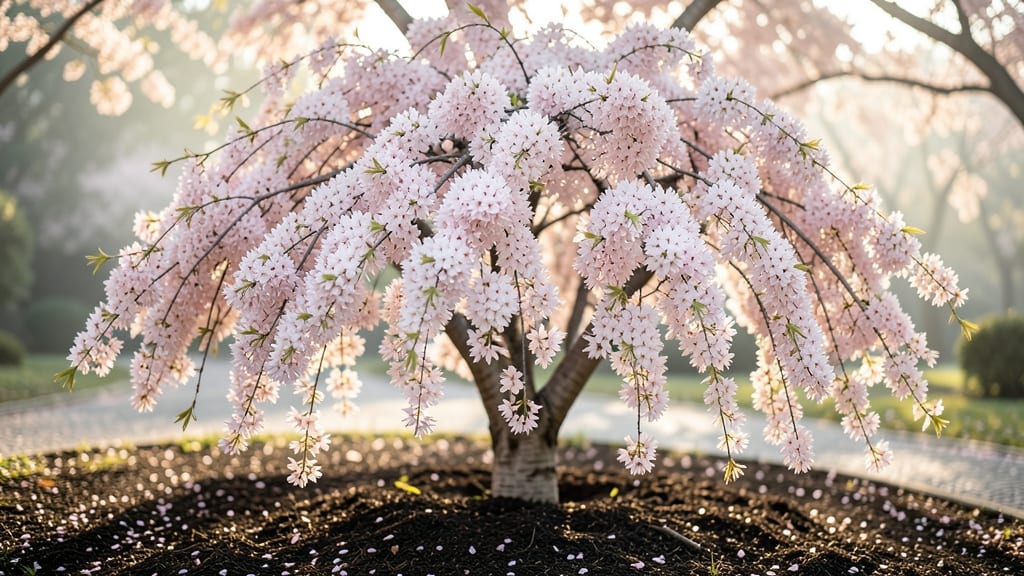
The cherry blossom tree bloom time varies by variety and location, but most burst into color in early spring 🌸 — just as the last frost lingers in Zone 6.
Watching cherry blossoms burst into bloom is a breathtaking experience—but timing is everything. Whether you're planning a picnic under the trees or simply admiring nature's fleeting beauty, knowing when your cherry blossom tree will flower can make all the difference.
Some varieties, like the Yoshino, bloom as early as late March, while others, like the Kwanzan, may wait until mid-April. Climate plays a huge role: Southern regions see blooms weeks earlier than colder zones like Zone 6.
Below, I’ll break down bloom windows by variety, how your USDA zone shifts the schedule, and simple tricks to coax earlier—or longer—blooms in your garden.
Cherry blossom bloom time by popular varieties: when to expect flowers
If you've ever dreamed of waking up to a canopy of delicate pink and white cherry blossoms in your yard, timing is everything. These trees are famous for their fleeting but spectacular blooms, which typically last just 5-14 days depending on the variety.
The good news? With the right cherry blossom variety, you can enjoy blooms as early as late winter or as late as early summer, depending on your climate and tree selection.
Not all cherry blossoms bloom at the same time—some varieties are early bloomers that burst into color in February or March, while others wait until April or May.
Even within the same species, bloom times can vary by 1-2 weeks based on factors like tree age, winter chilling hours, and local microclimates.
Let’s break down the bloom windows for 10 of the most popular cherry blossom varieties so you can plan your garden—or your annual cherry blossom picnic—with confidence.
If you're in a warmer climate (USDA Zones 7-9), you’ll likely see blooms 1-2 weeks earlier than the average dates listed above
How USDA hardiness zones affect cherry blossom bloom time: adjusting expectations by region
If you've ever dreamed of waking up to cherry blossoms in full bloom, you'll want to know that USDA hardiness zones play a huge role in timing. Trees in warmer zones (7-9) often burst into color weeks earlier than those in cooler climates (3-6).
For example, my Zone 9 Yoshino cherry blossom typically blooms in mid-February, while a friend's tree in Zone 5 waits until late April. These differences aren't just about location—they're about the tree's biological response to temperature cues.
The USDA zone system divides North America into 13 zones based on average annual minimum temperatures. Cherry blossoms need chilling hours (300-1,000 hours below 45°F) to trigger blooming, but heat accumulation after winter determines when buds actually open.
Southern zones get the heat earlier, while Northern gardens must wait for spring's arrival. Even within a zone, microclimates—like urban heat islands or lakeside locations—can shift bloom times by 1-2 weeks.
For gardeners in Zones 7-9, the excitement starts earlier—but so do the risks. A late frost can devastate buds before they open. I once lost 80% of blooms on my Zone 8 Kwanzan cherry after a 28°F dip in February.
To mitigate this, I now monitor frost forecasts and cover young trees with frost cloth when temperatures drop below 32°F. In Zones 3-6, the opposite challenge exists: trees may not bloom until late spring, missing peak tourist seasons or personal viewing plans.
Don't overlook microclimates—they can dramatically alter bloom times even within the same zone. Urban areas with concrete and asphalt (like downtown Atlanta in Zone 8a) can be 5-10°F warmer than rural areas, triggering earlier blooms.
Meanwhile, trees near large bodies of water—like those in Zone 6b Chicago—may bloom 1-2 weeks later due to cooler lake breezes. If you're unsure about your microclimate, use a home weather station for 2-3 years to track local patterns before planting.
Pro tip: Use cherry blossom bloom predictors like the National Oceanic and Atmospheric Administration (NOAA) or local cooperative extension services. These tools combine historical data with current weather forecasts to estimate bloom dates within ±5 days of accuracy.
For example, the National Park Service shares real-time updates for their Washington D.C. cherry blossoms (Zone 7b), which helps nearby gardeners adjust expectations for their own trees.
Remember that tree age and health also influence bloom timing. Younger trees (under 5 years old) may bloom 2-3 weeks later than mature specimens. If your tree is past its prime, consider rejuvenation pruning in late winter to encourage stronger blooms next season.
And always plant cherry blossoms in full sun—even a 10% reduction in sunlight can delay blooming by 1-2 weeks.