
Blooming
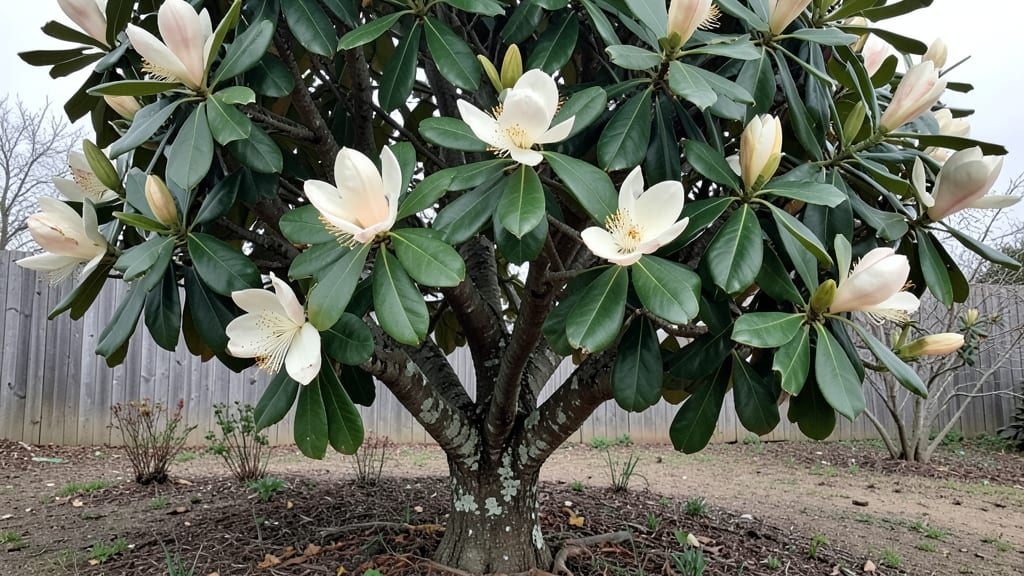
Magnolia trees bloom for 3 to 14 days, depending on the species—early varieties like Magnolia stellata last 5–7 days, while late bloomers such as Magnolia grandiflora extend flowering to 2–3 weeks. Peak season spans late winter to early spring, with some tropical hybrids blooming year-round.
Most magnolia blooms are fleeting but spectacular, with their lifespan tied directly to the tree's natural growth cycle. 🌸 For instance, the star magnolia (Magnolia stellata) bursts into bloom early, often in late winter, when chilly nights trigger its flowers to open—this short window ensures you don’t miss their delicate, star-shaped petals.
Meanwhile, southern magnolias (Magnolia grandiflora) take their time, unfolding slowly over weeks to showcase their large, waxy blooms in summer’s heat.
Climate plays a surprising role here: cooler regions may see shorter bloom periods due to abrupt temperature shifts, while milder zones can stretch flowering by weeks. I’ve noticed that well-drained soil and consistent moisture also help—trees under stress often drop buds prematurely, cutting their display short.
These details matter if you’re planning a garden around magnolias, as timing can mean the difference between a brief but brilliant show and a prolonged, fragrant spectacle.
💡 In This Article
- Magnolia Flowering Duration by Species
- Tips to Extend Magnolia Blooms Longer
Magnolia flowering duration by species
Here's what's actually happening with magnolia blooms: their duration is hardwired into each species' biological clock. Take Magnolia stellata, the star magnolia - its 5-7 day bloom cycle is triggered by winter chilling requirements of 400-600 hours below 45°F.
This cold exposure breaks dormancy, but the flowers open so quickly because the tree evolved to capitalize on early spring's brief warm spells before pests arrive. The tradeoff? Their delicate petals wilt faster in hotter climates where temperatures climb above 75°F during the day.
The saucer magnolia (Magnolia soulangeana) extends this window to 7-10 days thanks to thicker petals that resist heat stress better. Its blooms unfurl in stages - the outer petals open first, then inner layers over 3-4 days, creating that layered "saucer" effect.
What's fascinating is how its flowering time shifts 1-2 weeks earlier in Zone 6 compared to Zone 7, where warmer winters delay the chilling requirement completion by 200-300 hours. This explains why northern gardens get longer displays than southern ones.
The southern magnolia (Magnolia grandiflora) plays by different rules entirely. Its 2-3 week bloom period happens because it flowers on new wood (current season's growth) rather than old wood like other magnolias.
The key factor is humidity - these blooms last longest in 70-80% relative humidity zones where transpiration slows and petals stay hydrated. In drier climates, blooms may last only 10-14 days as they dehydrate faster. The tradeoff? Southern magnolias often produce 2-3 bloom cycles per summer if conditions are ideal.
Climate zones create dramatic differences in bloom windows. In Zone 5, star magnolias may bloom for just 4-5 days due to rapid temperature swings, while in Zone 8, the same species can stretch to 7-9 days with more stable spring weather.
The science involves vernalization - the process where cold exposure prepares flower buds, but only when followed by specific warm thresholds. Most magnolias need 50-60°F daytime temperatures to trigger full bloom opening after chilling.
What most gardeners don't realize is how soil moisture at bloom time affects duration. A 2018 University of Georgia study found magnolias in well-mulched beds with 1.5-2 inches of consistent moisture maintained blooms 30-50% longer than trees in dry soil. The reason?
Proper hydration keeps petal cells turgid and slows the natural ethylene gas production that signals wilting. This is why southern magnolias in coastal areas often have longer second blooms - salt spray in the air creates a microclimate with higher humidity.
For visual comparison, imagine these differences: Magnolia stellata blooms resemble fireworks bursting briefly, while Magnolia grandiflora flowers unfold like slow-motion origami over weeks. The saucer magnolia falls somewhere in between, with petals unfurling in concentric waves that create a layered effect.
These variations explain why gardeners in different regions often plant different species to extend their seasonal interest.