
Blooming
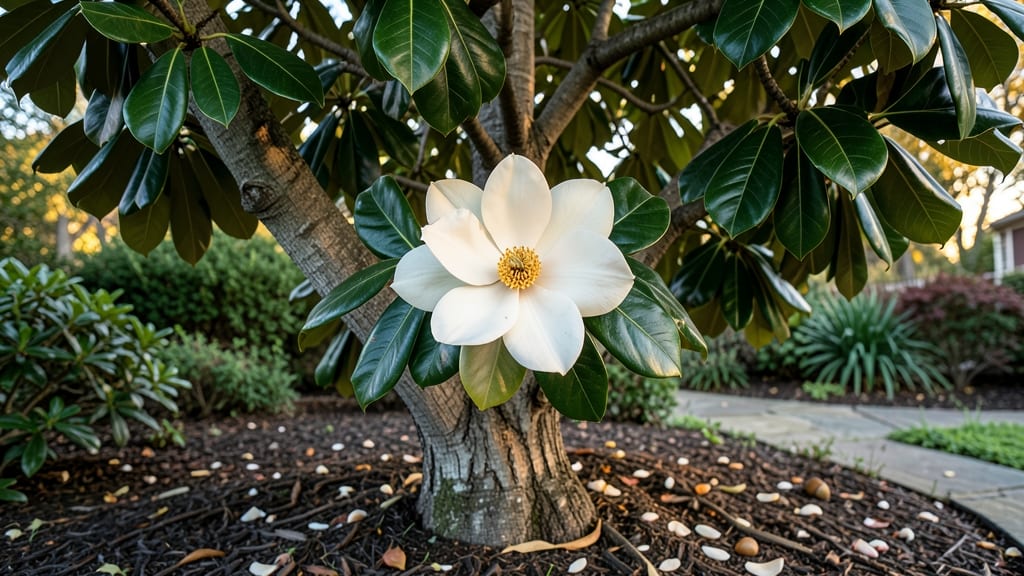
Southern magnolias burst into bloom when daytime temps hit 75°F consistently—usually late May to early June in most of the South, but your exact timing depends on your zone and last frost date. 🌸 I’ve watched my 20-year-old tree go from tight buds to foot-long white blooms in just 10 days when the heat arrives early, while cooler springs delay the show by weeks.
The contrast of those leathery evergreen leaves against the snow-white flowers makes every garden feel like a Southern masterpiece. The real secret to predicting bloom time? Track your spring warming trends—not just the calendar.
In Zone 7, blooms often start around Mother’s Day, while Zone 8 trees may begin as early as mid-April if winter was mild.
Prune after flowering (never in late summer) to avoid cutting off next year’s buds, and mulch heavily in fall to protect roots from temperature swings that can stress the plant.
Once those first blossoms open, you’ll get 4-6 weeks of heavy flowering, with sporadic blooms through summer if conditions stay right. The fragrance alone—sweet, citrusy, and intoxicating—draws hummingbirds and butterflies like nothing else.
Just don’t expect perfection: late frosts can nip buds, and drought stress will make flowers smaller. For gardeners in Zone 9 and beyond, blooms may stretch into July, but heat waves can shorten the show.
If your tree skips blooming, check for over-fertilizing (too much nitrogen = leaves, not flowers) or root competition from nearby shrubs. Patience pays off—magnolias reward long-term care with decades of drama.
📚 In This Guide
- What you need
- Instructions
- Tips and common mistakes
- Wrapping up and next steps
What you need
- ● Southern Magnolia Tree (Magnolia grandiflora): Choose a healthy, zone-appropriate sapling (Zones 7-10). Nursery-grown trees with established root systems perform best.
- ● Well-draining soil: Aim for a mix of 60% native soil, 30% compost, and 10% perlite/sand to prevent root rot.
- ● Organic mulch: 3–4 inches of pine straw, wood chips, or shredded bark to retain moisture and regulate soil temperature.
- ● Slow-release fertilizer: 10-10-10 or 8-3-9 NPK ratio, applied 2–3 times per year (spring, summer, fall).
- ● Pruning tools: Bypass pruners (for small branches)
- ● Loppers (for medium branches, 2–4 inches thick)
- ● Pruning saw (for thick branches, 4+ inches)
- ● Disinfectant: 70% isopropyl alcohol or a 10% bleach solution to sterilize tools and prevent disease.
- ● Garden gloves: Heavy-duty, waterproof (e.g., leather or nitrile-coated).
- ● Trowel or spade: For digging planting holes (3x wider than the root ball).
- ● Watering can or hose: With a gentle spray nozzle for post-planting hydration.
- ● Measuring tape: To ensure proper spacing (15–25 feet apart for mature trees).
- ● Shovel: For amending soil and applying mulch.
- ○ Optional but helpful: Soil pH test kit (aim for 5.0–6.0)
- ● Drip irrigation system (for consistent moisture)
- ● Tree support stakes (if planting in windy areas)
- ● Insect repellent (e.g., neem oil, for scale or magnolia scale prevention)
- ● Right timing: Plant in late fall or early spring (avoid extreme heat/cold). Blooms typically appear late spring to early summer, triggered by consistent warmth (70°F+).
- ● Sunlight: Full sun (6+ hours/day) for optimal blooming. Partial shade (4–6 hours) is tolerable but may reduce flowers.
- ● Water access: Deep watering 2–3 times per week (more in drought). First year is critical for root establishment.
- ● Patience: Mature trees (10+ years) produce the most dramatic blooms!
How to time southern magnolia blooms by your climate Zone
Here's the method I rely on to predict—and even influence—when your magnolias will burst into bloom.
🌱 Step 1: Understand Heat-Triggered Bloom Windows by Zone
Southern magnolias (Magnolia grandiflora) bloom in response to warmth accumulation, not just calendar dates. In Zone 7, expect buds to open late May to early June after 50+ days of consistent 60°F+ temperatures. In Zone 8, blooms arrive April to May, while Zone 9-10 trees often flower March to April—sometimes even in late winter if winter was mild.
Watch for bud swell as your first visual cue. These football-shaped buds will double in size over 2-3 weeks before blooming. In cooler zones, a late frost can delay or damage buds, so I always monitor the National Weather Service's frost prediction maps for my area.
☀️ Step 2: Monitor Temperature Trends for Peak Bloom Timing
Southern magnolias need at least 100 chilling hours (below 45°F) during winter to set buds properly, but too much cold can stress them. Track average nighttime lows—if temperatures stay above 50°F for 7+ days, buds will open within 1-2 weeks. I set up a minimum-maximum thermometer near my trees to get precise readings.
Real talk: If your area had an unusually warm winter, expect blooms to arrive 2-4 weeks earlier than average. Conversely, a cold snap in spring can push blooms back by 10 days or more. This is why I always adjust my garden plans based on local weather patterns rather than relying on fixed dates.
🌿 Step 3: Prune Strategically to Encourage Earlier or Later Blooms
To delay blooms (useful if late frosts are likely), prune in late summer after flowering. This removes next year's flower buds, forcing new ones to develop later. I prune after August 1 to avoid removing current-season buds. For earlier blooms, prune in early spring (before buds swell) to reduce plant stress and redirect energy toward flowering.
Never prune after mid-June—this removes next year's flower buds entirely. Use clean, sharp pruners and make cuts just outside the bud collar (the swollen area where branches meet the trunk). Disinfect tools with 70% isopropyl alcohol between cuts to prevent bacterial infections.
⏰ Step 4: Create Ideal Conditions for Prolonged Blooming
Southern magnolias thrive in full sun (6+ hours daily) and well-draining, slightly acidic soil (pH 5.0-6.5). Mulch with 3 inches of organic mulch (like pine bark) to retain moisture and regulate soil temperature. Water deeply once weekly during dry spells—1-1.5 inches of water—to encourage strong root growth, which supports more abundant blooms.
Fertilize in early spring with a balanced, slow-release fertilizer (10-10-10) to provide steady nutrients. Avoid high-nitrogen fertilizers, which promote leafy growth at the expense of flowers. I also add 2-3 inches of compost annually to improve soil structure and microbial activity, which helps trees manage stress and bloom more reliably.
✂️ Step 5: Protect Blooms from Late Frost and Pests
If frost is forecasted when buds are swollen, cover trees with frost cloth or lightweight row covers at dusk. Secure the fabric tightly to prevent wind damage. Remove covers by 10 AM to allow sunlight to reach the foliage. For established trees, circulation fans can help raise temperatures slightly around buds.
Watch for magnolia scale and tent caterpillars, which can defoliate trees and reduce flowering. Treat infestations early with horticultural oil (for scale) or Bt (Bacillus thuringiensis) (for caterpillars). I inspect trees weekly during bloom season and treat at the first sign of pests to avoid damage to flowers or foliage.
Tips & tricks for perfect southern magnolia bloom timing
Here’s what I’ve learned after years of tracking magnolia blooms—these details make all the difference between guessing and getting it right.
Heat Accumulation is Key: Southern magnolias bloom based on warmth accumulation, not just calendar dates. In Zone 7, aim for 50+ days of 60°F+ temperatures—this consistent warmth triggers the bloom cycle. Track nighttime lows using a minimum-maximum thermometer placed near your tree. If your area had an unusually warm winter, blooms may arrive 2-4 weeks early, so adjust your expectations accordingly.
Pruning Timing Matters: For delayed blooms (to avoid late frosts), prune after August 1—this removes next year’s flower buds, forcing new ones to develop later. Conversely, prune in early spring (before buds swell) for earlier blooms. Never prune after mid-June, as this removes next year’s flower buds entirely. Always disinfect pruners with 70% isopropyl alcohol to prevent infections.
Soil and Watering Secrets: Southern magnolias thrive in well-draining, slightly acidic soil (pH 5.0-6.5). Amend heavy clay soils with 2-3 inches of compost annually to improve drainage and microbial activity. Water deeply once weekly during dry spells—1-1.5 inches of water—to encourage strong root growth. Mulch with 3 inches of organic mulch (like pine bark) to retain moisture and regulate soil temperature.
Frost Protection Hacks: If frost is forecasted when buds are swollen, cover trees with frost cloth at dusk and remove by 10 AM to allow sunlight. For established trees, use circulation fans to raise temperatures slightly around buds. Monitor the National Weather Service’s frost prediction maps for early warnings—this has saved my magnolias from frost damage multiple times.
Pro Tips for Southern Magnolia Bloom Time
- Here’s what I’ve learned after years of tracking magnolia blooms—these details make all the difference between guessing and getting it right.
- Heat Accumulation is Key: Southern magnolias bloom based on warmth accumulation, not just calendar dates.
- Pruning Timing Matters: For delayed blooms (to avoid late frosts), prune after August 1—this removes next year’s flower buds, forcing new ones to develop later.
Frequently asked questions
about southern magnolia bloom time—because every gardener deserves clarity! Here’s what you’ve been wondering:When do southern magnolias bloom?
Southern magnolias typically bloom in late spring to early summer (May–June in most of the U.S.), but heat triggers their show. In warmer zones (7–9), they may bloom earlier or even twice a year! Timing depends on your climate—cooler areas might see blooms slightly later.
Can cold weather delay or prevent blooms?
Yes! Southern magnolias are heat-lovers—late frosts or prolonged cold snaps (below 20°F) can damage buds. While they’re hardy, extreme cold may stunt blooms. Plant in sheltered spots or mulch heavily to protect roots. Patience pays off—they’ll rebound with a spectacular show once temps warm!
What if my southern magnolia isn’t blooming?
No flowers? Check these fixes:
- Age: Young trees (under 5 years) focus on growth. Give them time!
- Light: They need full sun (6+ hours daily). Shady spots = fewer blooms.
- Pruning: Avoid cutting in late winter—this removes next year’s buds.
- Fertilizer: A balanced, slow-release fertilizer in early spring can help.
Still no luck? Test soil pH (ideal: 5.0–6.0) or consult a local arborist.
Are there early-blooming southern magnolia varieties?
Some cultivars beat the heat:
- ‘Little Gem’ – Compact and often blooms earlier than standard types.
- ‘Bracken’s Brown Beauty’ – Dark foliage with reliable spring blooms.
- ‘Teddy Bear’ – Dwarf variety that may bloom slightly sooner in warm zones.
Check your zone—some varieties thrive better in specific climates!
Why do my blooms drop early?
Early bloom drop is often caused by:
- Stress: Overwatering, drought, or transplant shock.
- Pests: Magnolia scale or spider mites sap energy. Spray with horticultural oil if needed.
- Poor pollination: Southern magnolias are self-pollinating, but wind or rain can disrupt the process.
Reduce stress by watering deeply (1–2 inches/week) and avoiding heavy pruning during bloom season.
Can I force southern magnolias to bloom earlier?
Not reliably! These trees bloom based on heat accumulation, not human timing. However, you can:
- Plant in microclimates (south-facing walls, near patios) to trap warmth.
- Use black plastic mulch around the base to raise soil temps slightly.
- Choose heat-tolerant varieties (like ‘Edith Bogue’) for faster blooming.
Patience is key—they’ll reward you with stunning blooms when conditions are right!
Wrapping up and next steps
The southern magnolia’s breathtaking bloom time—triggered by warmth and humidity—is nature’s grand spectacle, and you’re now in the know! Whether you’re a gardener eager to time your planting or simply admiring these showstopper trees, understanding their heat-loving habits ensures you’ll never miss their fragrant, creamy-white displays. 🌸
Ready to bring this beauty to your landscape? Start by checking your hardiness zone and plan your planting or pruning for the perfect early-spring or late-fall window. Happy gardening—your future blooms will thank you!