
Blooming
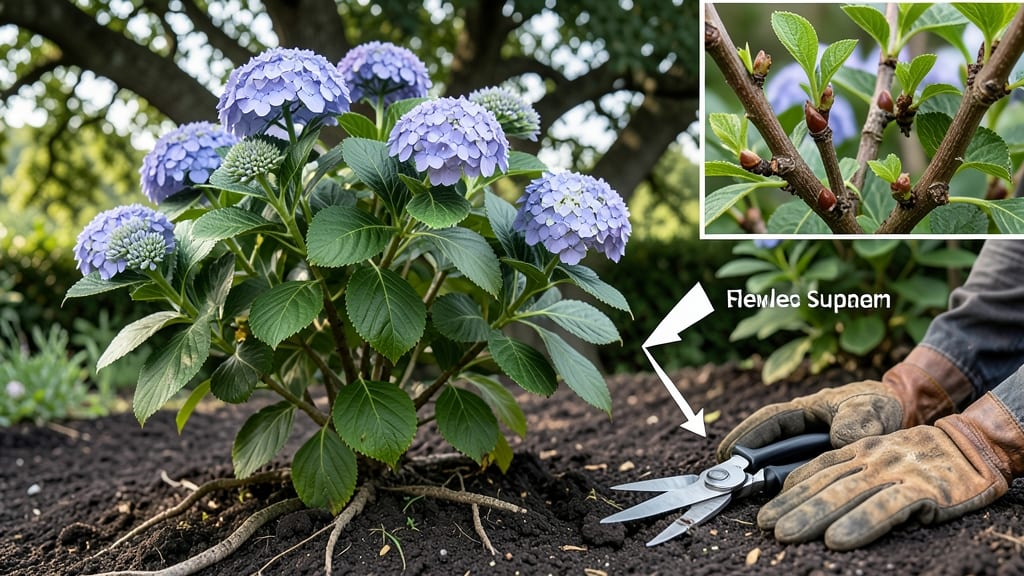
Endless Summer hydrangeas bloom on old wood and new wood, which is why they keep producing stunning flowers 🌸 even after their first flush.
If you’ve ever wondered why your Endless Summer hydrangeas aren’t blooming as expected, the answer might lie in their pruning habits—specifically, whether they bloom on old wood or new. Unlike traditional hydrangeas, these rebloomers can produce stunning flowers twice a year, but only if pruned at the right time.
Here’s the key: old wood refers to the stems that grew last year, where the first blooms form in late spring. New wood is this year’s growth, which fuels the second round of flowers in summer.
Prune too early or too late, and you risk cutting off those old-wood buds before they bloom.
In this guide, I’ll break down the science behind their unique blooming habit, share a foolproof pruning schedule, and reveal the three most common mistakes that kill reblooms—so you can keep your hydrangeas looking their best year after year.
Why endless summer hydrangeas bloom on old and New Wood (And How to Maximize Flowers)
If you’ve ever wondered why your Endless Summer hydrangeas produce flowers twice a year, the secret lies in their unique blooming biology. Unlike most hydrangeas that bloom only on old wood (last year’s growth), this variety thrives by blooming on both old and new wood.
This dual blooming habit makes them stand out—and pruning correctly is the key to unlocking their full potential.
The magic happens because Endless Summer hydrangeas develop flower buds in two stages: some form on last year’s wood in late summer/fall, while others emerge on current season’s growth in spring.
This means you can enjoy vibrant blooms in early summer (from old wood) and again in late summer/fall (from new wood), provided you prune at the right time.
Here’s the science: Old-wood blooms set in late summer/fall after the first flush of flowers, while new-wood blooms form on fresh growth in spring. Pruning too late can remove next year’s old-wood blooms, while pruning too early can cut off new growth that would’ve produced summer flowers.
The balance is delicate but rewarding.
To maximize blooms, focus on late-winter/early-spring pruning (just as new growth begins) to shape the plant without sacrificing old-wood blooms. Avoid heavy cuts in summer or fall, as this can remove next year’s flower buds before they form.
Think of it as a two-season dance between old and new growth.
| Bloom Type | Season | Bud Formation | Pruning Risk |
|---|---|---|---|
| Old Wood Blooms | Early Summer | Late summer/fall (after first bloom) | Prune too late = lose next year’s blooms |
| New Wood Blooms | Late Summer/Fall | Spring (on current year’s growth) | Prune too early = cut off new flower buds |
| Rebloom Potential | Both Seasons | Balanced bud formation | Prune in late winter/early spring only |
The old-wood blooms are the first to appear in early summer, thanks to buds that formed the previous year. These buds develop after the initial summer bloom, so if you prune after the first flush (late summer/fall), you risk removing next year’s old-wood blooms.
This is why Endless Summer hydrangeas are often called "rebloomers"—they give you two chances for color.
For new-wood blooms, the story changes. These buds form on fresh growth in spring, so pruning too early (before buds appear) can cut off potential flowers.
The goal is to prune just as new growth begins—typically in late February to early March—to shape the plant without sacrificing future blooms. Think of it as a timing puzzle where patience pays off.
A common mistake is pruning in summer or fall, which can remove next year’s old-wood blooms before they set. If you’ve accidentally pruned at the wrong time, don’t panic!
The plant can still produce new-wood blooms in late summer/fall. However, for the best results, stick to late winter/early spring pruning to preserve both bloom cycles.
To encourage even more blooms, feed your hydrangea with a balanced fertilizer (like 10-10-10) in early spring as new growth emerges. This gives the plant the energy it needs to produce both old-wood and new-wood blooms.
Pair this with consistent watering (1-2 inches per week) and partial shade to keep the plant healthy and blooming year after year.
Remember, the key to Endless Summer hydrangeas is patience and timing. By understanding their dual blooming habit and pruning at the right moment, you’ll enjoy a longer, more vibrant blooming season than with traditional hydrangeas.
With the right care, your plant could reward you with flowers from June through September—or even longer!
🌸
Best pruning timeline for endless summer hydrangeas to ensure reblooms on old wood
Endless Summer hydrangeas are unique because they bloom on both old wood and new wood, giving you two chances for flowers each year. To maximize these reblooms on old wood, timing is everything.
Prune at the wrong time, and you risk losing next year’s blooms—or worse, killing the plant’s ability to rebloom. The key is understanding when to preserve old wood (for summer blooms) and when to encourage new growth (for fall blooms).
Unlike traditional hydrangeas that bloom only on old wood, Endless Summers need a balanced approach. Their old-wood blooms form in the previous summer and winter, while new-wood blooms develop in spring and summer.
If you prune too early or too late, you disrupt this delicate cycle. The goal? Prune after blooming to protect old wood while shaping the plant for next year’s flowers.
- 1 Late Summer (August-September): Prune dead or diseased branches only. This protects old-wood buds forming for next year’s blooms.
- 2 Fall (October-November): Light pruning to remove weak or crossing branches. Avoid heavy cuts—old wood is still dormant but critical for spring blooms.
- 3 Late Winter (February): Shape the plant by pruning new growth from last year (if needed). This encourages new-wood blooms for summer while preserving old wood.
- 4 Early Spring (March-April): Never prune old wood—this is when buds swell for summer blooms. Focus on removing dead wood only.
- 5 Post-Bloom (June-July): Prune spent flowers to redirect energy to new growth, but avoid cutting old wood—this kills next year’s blooms.
You’ll need the right tools for the job: sharp bypass pruners for clean cuts, loppers for thicker branches, and gloves to protect your hands. Always disinfect tools with rubbing alcohol between cuts to prevent disease spread.
Start by removing dead or diseased branches first, then shape the plant for airflow and sunlight penetration.
One of the biggest mistakes gardeners make is pruning in late summer or fall, which removes the old-wood buds needed for spring blooms. Another common error is over-pruning in spring, which delays new growth and reduces fall blooms.
If you’ve already pruned at the wrong time, don’t panic—your hydrangea can often recover. Just focus on protecting old wood in future pruning sessions.
For best results, prune in stages rather than all at once. This reduces stress on the plant and gives you time to observe how it responds. After pruning, water deeply and apply a balanced fertilizer to encourage strong new growth.
With the right timing, your Endless Summer hydrangea will reward you with vibrant blooms twice a year—once on old wood in summer and again on new wood in fall.