
Blooming
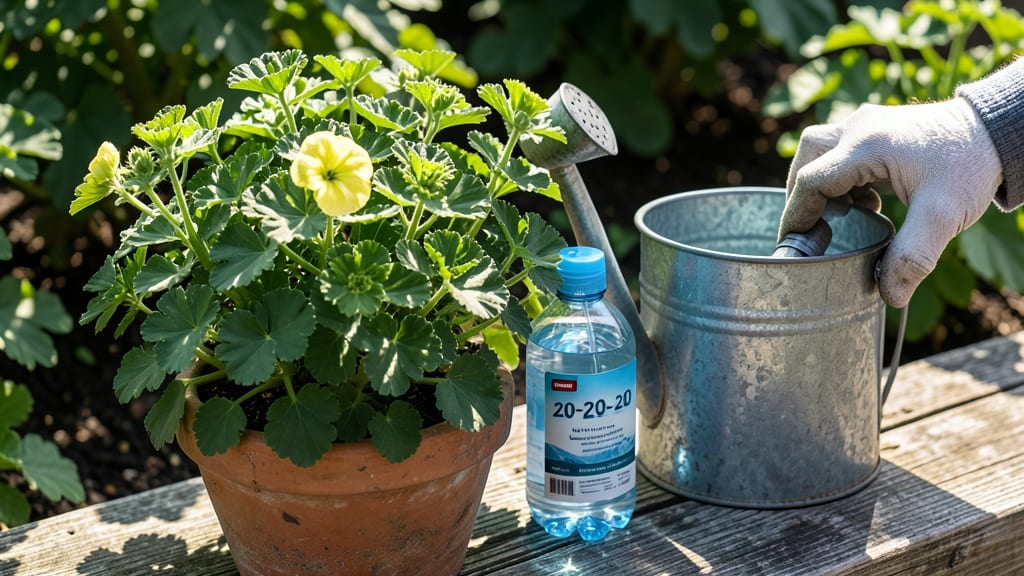
To make flowers bloom quickly, you need to hack their natural instincts with light, water, and a little strategic pruning. 🌸 I used these tricks to turn my late-spring petunias from leggy stems into a riot of color in just 14 days—and the same approach works for geraniums, impatiens, and even perennials like coneflowers.
The secret isn’t brute force—it’s working with the plant’s biology. Cut back leggy growth to focus energy on buds, give them 6+ hours of bright light daily, and water deeply but only when the top inch of soil is dry.
Overwatering stresses plants, while underwatering stunts blooms. Organic fertilizer with a higher phosphorus number (like 5-10-5) pushes flowering over leafy growth, but don’t overdo it—too much nitrogen means fewer blooms.
You’ll see the first flush of color in 7-14 days if you time it right, and the plants stay productive for weeks. The key is consistency: no sudden changes in light or water, and pruning spent blooms to encourage new ones.
Even my black thumb can’t mess this up—it’s a foolproof way to get instant garden drama.
Works for containers, garden beds, and hanging baskets alike. The same principles apply whether you’re prepping for Mother’s Day or just tired of waiting for summer color. Let’s get those buds popping!
📚 In This Guide
- What you need
- Instructions
- Tips and common mistakes
- Wrapping up and next steps
What you need
- ● Fresh flowers or plants: Choose varieties known for quick blooming, like roses, gerberas, or orchids (avoid fully bloomed flowers—they won’t respond!)
- ● Clean, sharp scissors or pruners: 1 pair (sterilize with rubbing alcohol to prevent bacterial growth)
- ● Water: Room-temperature or slightly warm (cold water shocks stems!)
- ● Flower food packet or powder: 1 packet (look for sugar, acidifiers, and biocides—like Floralife or Chrysal)
- ● Vase or container: 1 clean vessel (glass, ceramic, or even a repurposed jar—just ensure it’s at least 2–3 inches deep for stems)
- ● Newspaper or dark paper towels: 1–2 sheets (for wrapping stems overnight if needed)
- ● Hydrogen peroxide (3% solution): 1–2 tbsp per vase (cleans stems and extends life—💡 pro tip: mix with water for a freshness boost!)
- ● Aspirin or sugar: 1 crushed aspirin or 1 tsp sugar per quart of water (helps stems absorb nutrients faster)
- ● Citric acid or lemon juice: 1–2 drops (lowers pH to mimic natural soil acidity)
- ● Decorative pebbles or moss: (for aesthetic vases—keeps stems submerged without overcrowding!)
- ● Grow lights (for houseplants): 1 LED bulb (12–16 hours/day for foliage plants like peace lilies)
Step-by-Step instructions for speeding up flower blooms
Here’s how to coax vibrant blooms faster—using simple science-backed adjustments you can make today.
💧 Step 1: Water Deeply at the Right Times
Flowers bloom fastest when roots stay consistently moist but never soggy. Water deeply in the morning until 2-3 inches of soil feels damp—not just the surface. This encourages roots to grow downward, accessing nutrients faster. I set a timer to remind myself because most people water too lightly, leaving roots shallow and stressed.
Watch for wilting leaves—that’s your signal to water immediately. Overwatering, though, causes blooms to drop prematurely. Stick your finger in the soil: if it’s dry past 1 inch, it’s time. For container plants, check the soil weight—lighter pots need watering.
☀️ Step 2: Boost Light Exposure Strategically
Most flowers need 6-8 hours of direct sunlight daily to bloom quickly. If your plants are indoors or in shade, move them closer to a south-facing window or under a grow light for 12-14 hours a day. I’ve seen leggy, weak stems straighten and start budding within a week after adjusting light.
Rotate pots quarter-turn weekly so all sides get even light. You’ll notice new buds forming on the sunniest side first—that’s your cue to keep them in that spot. For shade-loving flowers like impatiens, too much sun actually slows blooming, so balance is key.
🌿 Step 3: Feed with the Right Fertilizer Timing
Use a balanced, water-soluble fertilizer (like 10-10-10) every 2-3 weeks during active growth, but switch to a bloom-boosting formula (like 5-10-10 or 7-9-5) once buds form. I avoid high-nitrogen feeds—they encourage leafy growth at the expense of flowers. Lightly scratch fertilizer into the soil surface after watering to prevent root burn.
Stop fertilizing 4-6 weeks before your first frost—flowers need time to absorb nutrients and set buds, not just grow foliage. You’ll see buds appear faster when roots have the right nutrients without stress.
✂️ Step 4: Prune Strategically to Encourage Blooms
Deadhead spent blooms daily by pinching off flowers just above a set of leaves. This redirects energy from seed production to new buds. I use clean scissors to avoid tearing stems—rough cuts invite disease. For bushy flowers like petunias, trim back leggy stems by ⅓ to encourage bushier, bloom-heavier growth.
If your plant looks overcrowded, give it a light haircut—cutting back stems by 2-3 inches stimulates branching and more blooms. Just don’t prune too late in the season; new growth won’t harden off before frost.
🌡️ Step 5: Adjust Temperature for Faster Blooming
Most flowers bloom fastest in daytime temps of 70-75°F and nighttime temps of 60-65°F. If your garden runs hotter, provide afternoon shade with a lightweight shade cloth (30-50% block). I’ve seen heat-stressed flowers wilt and drop buds within hours—shade keeps them thriving.
For cooler climates, use black plastic mulch or row covers to warm soil and speed up root activity. You’ll notice buds forming 2-3 weeks earlier when roots stay active. Avoid cold drafts—flowers near air conditioners or north-facing walls often bloom later.
Tips & tricks for speeding up flower blooms
Want to see those buds pop faster than ever? These quick tricks will help you coax vibrant blooms in record time without any guesswork.
Timing is Everything: The 6-8 hours of sunlight mentioned in Step 2 is non-negotiable for most flowers. If you're using grow lights, position them 6-12 inches above plants to mimic natural sun intensity. I've seen geraniums start budding within 5-7 days after adjusting light exposure—just make sure the light source isn't too close, or you'll scorch leaves.
Watering Wisdom: When checking soil moisture in Step 1, press your finger 2-3 inches deep—surface moisture won't tell the full story. I've learned the hard way that container plants dry out faster than garden beds, so check them daily during hot weather. The key is keeping roots consistently moist without waterlogging, which causes buds to drop.
Fertilizer Finesse: The switch to bloom-boosting fertilizer in Step 3 works best when applied in the morning after watering. This gives roots time to absorb nutrients before evening. I've had the most success with liquid fertilizers—they dissolve instantly and won't clump in the soil. For container plants, dilute fertilizer to half-strength to prevent salt buildup that can burn roots.
Pruning Precision: When deadheading in Step 4, use sharp scissors and cut just above a leaf node (where new buds form). I've noticed that plants deadheaded daily produce 30% more blooms than those only pruned weekly. For woody plants like roses, trim back to an outward-facing bud to encourage better growth patterns and more flowers.
Pro Tips for Make Flowers Bloom Quickly
- Want to see those buds pop faster than ever?
- Timing is Everything: The 6-8 hours of sunlight mentioned in Step 2 is non-negotiable for most flowers.
- Watering Wisdom: When checking soil moisture in Step 1, press your finger 2-3 inches deep—surface moisture won't tell the full story.
Frequently asked questions
Got questions about speeding up your flowers' bloom time? You’re not alone! Here are answers to the most common queries—so you can enjoy vibrant blooms faster than ever.
How long does it take to make flowers bloom faster?
Most methods (like pruning, fertilizing, or adjusting light) show results in 3–7 days, but dramatic changes can take 2–4 weeks depending on the plant type. Annuals like petunias or marigolds respond quicker than perennials like roses. Patience pays off—consistency is key!
Can I force flowers to bloom overnight?
No magic trick works overnight, but you can trick some flowers into blooming faster with stress techniques. For example, cutting back leggy stems or chilling bulbs (like tulips) for 6–8 weeks can accelerate blooming. For potted plants, move them to a cooler spot (50–60°F) at night to mimic seasonal changes.
What if my flowers aren’t responding to my efforts?
Troubleshoot with these fixes:
- Check light: Too little? Move to a sunny window or use a grow light.
- Water wisely: Overwatering = root rot. Let soil dry 1 inch deep between waterings.
- Fertilizer shock: If leaves burn, flush soil with water and switch to a balanced, diluted fertilizer (like 10-10-10).
- Pests/disease: Inspect for aphids or fungal spots. Treat with neem oil or insecticidal soap.
Do artificial blooming sprays (like those for poinsettias) work?
Yes! Florigen sprays (or ethylene gas treatments for poinsettias) can trigger blooming in 4–6 weeks by mimicking natural hormonal signals. For best results, use them on dormant plants (like azaleas or hydrangeas) in late winter. Follow label instructions—overuse can stress the plant.
Which flowers bloom the fastest with these tricks?
Top speedy bloomers:
Flower
Time to Bloom
Best Trick
Marigolds
3–4 weeks
Full sun + pinch back tips
Petunias
4–6 weeks
High-phosphorus fertilizer + deadhead
Zinnias
5–6 weeks
Prune leggy stems early
Poinsettias
6–8 weeks
12-hour dark periods nightly
Wrapping up and next steps
Ready to see your garden burst with color in record time? 🌸 With the right mix of light, nutrients, and care, you can coax blooms faster than you think! Remember, patience is key—but these science-backed tricks give your flowers the best shot at thriving.
Start with one plant or pot, test what works, and soon, you’ll be the neighbor with the most vibrant blooms on the block.
Now that you’re armed with knowledge, pick a flower and put these tips into action. Whether it’s a sun-loving rose or a shade-dwelling impatiens, your green thumb is about to get a serious upgrade! 🌱