
Blooming
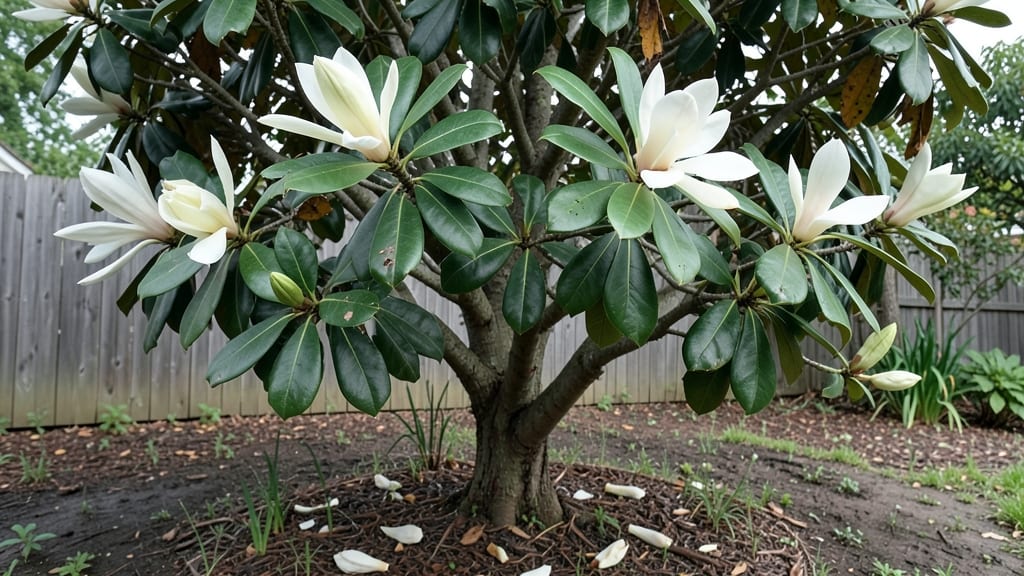
Magnolia trees bloom every 1-3 years, depending on the species and growing conditions, with some varieties like the Southern magnolia flowering annually if mature and healthy. Early spring or late winter typically marks their blooming season, though timing varies by climate and tree age.
Magnolias are fascinating because their blooming habits often reflect their natural growth patterns. Younger trees or those under stress might skip a year, while established specimens in ideal conditions can reward you with annual displays—especially if you're growing a Southern magnolia.
The timing also depends on your region; colder climates may see later blooms, while warmer zones might enjoy earlier spring displays. 🌸
What’s interesting is that some varieties, like the star magnolia (Magnolia stellata), bloom earlier in the season, often before leaves appear, creating a stunning contrast. This makes them popular choices for gardeners who want reliable, show-stopping flowers.
Proper care—like consistent watering and avoiding heavy pruning during bloom season—can help encourage more frequent flowering over time.
💡 In This Article
- Factors Influencing Magnolia Tree Flowering Frequency
- Encouraging Frequent Magnolia Blooms: Gardening Tips
Factors influencing magnolia tree flowering frequency
Here's what's actually happening beneath the surface: magnolia trees follow a biological rhythm tied to energy conservation. Younger trees (under 10 years old) often prioritize root and branch growth over flowering because their energy reserves are limited.
The Southern magnolia (Magnolia grandiflora) stores energy differently than its deciduous cousins like the star magnolia (Magnolia stellata), which can bloom annually once established. This species-specific storage mechanism explains why some varieties flower more reliably.
The key factor is temperature accumulation, measured in "chill hours." Most magnolias require 300-1,000 chill hours (temperatures between 32-45°F) to trigger blooming. In warmer climates like Florida, Southern magnolias may bloom twice yearly—spring and fall—while Northern varieties might wait until late spring after sufficient cold exposure.
Sunlight exposure also matters: full sun (6-8 hours daily) maximizes photosynthesis, giving trees the energy to produce flowers, whereas shade can reduce blooming by up to 40%.
What most people don't realize is how stress disrupts this cycle. Drought conditions cause magnolias to conserve water by shedding buds before they open, while pests like magnolia scale or tent caterpillars divert energy away from flowering.
Even well-intentioned pruning can backfire—removing more than 20% of the canopy in one season can delay blooming for 2-3 years as the tree recovers. The tree's age plays a role too: peak flowering typically occurs between 15-30 years, after which energy declines.
Soil health is the foundation of this process. Magnolias thrive in slightly acidic soil (pH 5.0-6.5) rich in organic matter. Poor drainage or compacted soil can starve roots of oxygen, triggering stress responses that suppress flowering.
For example, Magnolia × soulangeana (Saucer Magnolia) may skip blooming entirely if planted in heavy clay without amendments. Regular mulching (3-4 inches of organic material) helps maintain consistent moisture and temperature, which is critical for bud formation.
Climate variations create dramatic differences in blooming patterns. In Zone 7-9, Southern magnolias often bloom in late spring (April-May), while Zone 4-6 varieties like the paperbark magnolia (Magnolia acuminata) may wait until June-July after warmer temperatures arrive.
Even within the same species, a 5°F temperature swing can shift blooming by 2-4 weeks. This explains why some gardeners in transitional climates report erratic flowering years.
One fascinating exception is the Yulan magnolia (Magnolia denudata), which blooms in late winter (February-March) before leaves emerge. This early timing requires precise temperature cues—too much cold can damage buds, while warm spells may trigger premature opening.
The tree's ability to predict these conditions showcases nature's intricate timing mechanisms.