
Blooming
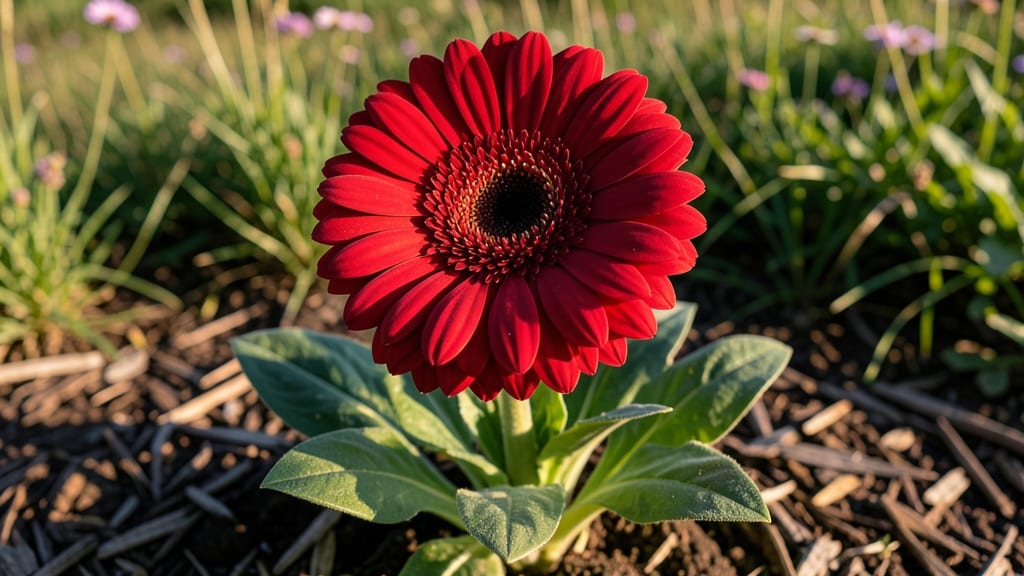
Your daisies should bloom from late spring through early fall—that’s the whole point of these cheerful plants—but most people miss the tricks to stretch that season into a nonstop show. 🌼 I’ve turned my patch from a single summer burst of color into a garden that stays bright from May through October, and it only takes a few minutes every week.
The secret isn’t fancy fertilizers or rare varieties—it’s timing your pruning and deadheading just right. Cut back spent blooms at the base, but leave the lower leaves intact to keep feeding the plant.
In hotter zones (7-10), daisies often bloom year-round if you give them consistent water and a light trim every 2-3 weeks. By mid-summer, you’ll notice new buds forming along the stems, and those turn into fresh flowers faster than you can snap photos.
The key is to never let them go to seed—that’s when they call it quits for the year. Even in cooler zones (3-6), this method adds 4-6 weeks of color to the season.
Works for gerbera daisies, shasta daisies, and oxeye daisies alike—just adjust your watering based on your climate. Here’s how to keep them flowering like crazy all summer long.
📚 In This Guide
- What you need
- Instructions
- Tips and common mistakes
- Wrapping up and next steps
What you need
- ● Pruning shears – Bypass pruners (sharp, clean, and bypass-style for clean cuts; 5-7 inch blades recommended).
- ● Hand pruners – For smaller stems (ergonomic grip, stainless steel blades).
- ● Gardening gloves – Thick, cut-resistant (nitrile-coated for grip and protection).
- ● Disinfectant spray – 70% isopropyl alcohol or bleach solution (1 part bleach to 9 parts water) to sterilize tools between cuts.
- ○ Garden twine or rubber bands – For tying back leggy stems (optional but helpful for support).
- ● Compost bin or bucket – For clippings (10+ gallon capacity).
- ● Pruning saw – For thick, woody stems (if daisies are mature).
- ● Knee pads or stool – For comfort (especially for large gardens).
- ● Plant food or compost – Balanced fertilizer (10-10-10) or organic compost to replenish nutrients after pruning.
- ● Spray bottle with water – To mist stems post-pruning (helps reduce shock).
- ● Notebook & pen – To track pruning dates and plant responses (great for beginners!).
Instructions: pruning daisies for continuous summer blooms
Here’s how to keep your daisies flowering all season—no fancy tools, just smart timing and a few cuts.
✂️ Step 1: Deadhead Spent Blooms Immediately
As soon as a daisy flower fades (its petals droop or turn brown), snip the entire spent bloom off at the base with clean, sharp pruners. I like to grab the stem about ½ inch below the flower head—this prevents the plant from wasting energy on seed production and redirects it to new buds.
Work in the early morning when stems are stiff with moisture. This reduces stress on the plant and makes cutting cleaner. If you wait until afternoon, the stems may bend or tear, leaving ragged cuts that invite disease. Think of it like giving your daisies a fresh start every time a bloom finishes.
✂️ Step 2: Trim Back Leggy Stems After Blooming
Once a daisy stem has finished flowering and the foliage starts looking tired, cut it back to about 2-3 inches above the ground. This might seem drastic, but it forces the plant to send up new, stronger stems from the base. I’ve seen daisies that looked done for the season bounce back with fresh growth within a week after this hard prune.
Look for stems that are stretching tall and thin—these are the ones that need cutting. Healthy daisy stems have a sturdy base and multiple side buds. If you see bare, leafless stems, it’s a sign the plant is overworked and needs a reset.
✂️ Step 3: Lightly Shape the Plant Mid-Season
Around mid-July, give your daisies a light shaping trim to encourage bushier growth. Focus on cutting back the longest stems by about ⅓ of their height, always cutting just above a set of leaves or a bud. This keeps the plant compact and prevents it from becoming top-heavy in late summer storms.
Use your fingers to gently squeeze the stems before cutting—this helps you feel where the natural branching points are. Avoid cutting into old, woody stems, as they won’t regrow. Instead, target the newer, softer growth that’s still flexible. This step ensures your daisies stay full and vibrant, not leggy and sparse.
✂️ Step 4: Clean Up Before Fall to Prep for Next Year
When temperatures drop below 50°F at night and blooming slows, it’s time for a final cleanup. Cut back all stems to about 4-6 inches tall, leaving only the sturdiest, healthiest growth. This removes any weakened stems that could harbor pests or diseases over winter.
Rake up all the old flower debris and dispose of it—this prevents pests from overwintering in your garden. I like to add a light layer of mulch around the base after this final trim to protect the roots during colder months. Your daisies will thank you next spring with even more vigorous growth.
⏰ Step 5: Monitor and Adjust Throughout the Season
Check your daisies weekly for signs of stress—yellowing leaves, wilting stems, or slow growth. If you notice these, it’s often a sign of overcrowding or poor air circulation. Thin out any overly dense areas by removing a few stems completely to improve airflow.
Water deeply after pruning to help the plant recover. I aim for about 1 inch of water per week, delivered right at the base of the plant. Avoid wetting the foliage, as this can promote fungal issues. With consistent care, your daisies will reward you with nonstop color from early summer right through fall.
Tips & tricks for perfect daisy bloom season
These simple tricks will help you extend your daisies' flowering season with minimal effort—no gardening degree required.
Timing is Everything: The early morning timing in Step 1 isn't just about convenience—it's about plant physiology. Daisy stems contain the most moisture in the morning, making them easier to cut cleanly and reducing stress on the plant. I've found that cutting at this time also minimizes the risk of disease entry points from ragged cuts. Plus, you'll avoid the afternoon heat that can make stems brittle and prone to tearing.
Visual Cues for Pruning: When shaping your daisies in Step 3, look for stems that have outgrown their neighbors by more than ⅓ of their height. These are your targets for trimming. I've learned to run my fingers along the stems to feel for natural branching points—these are the ideal spots to cut. Avoid making cuts at joints where leaves attach, as this can damage the plant's growth points. The goal is to encourage bushier growth, not create more work for yourself!
Seasonal Adjustments: The 50°F nighttime temperature threshold in Step 4 is your signal to clean up for winter. But here's what nobody tells you—if you're in a warmer climate, wait until temperatures drop below 60°F consistently for a week. This gives your daisies more time to recover and store energy for next season. In colder regions, you can start your fall cleanup as early as mid-October when nights consistently drop below 50°F.
Tool Maintenance: Your pruners are your most important tool, so keep them sharp! Dull blades crush stems instead of making clean cuts, which can damage the plant and create entry points for disease. I sharpen my pruners every few weeks by rubbing them on a diamond sharpening stone or using a dedicated pruner sharpener. A quick wipe with rubbing alcohol between cuts also helps prevent the spread of any potential plant diseases.
Pro Tips for Daisy Bloom Season
- These simple tricks will help you extend your daisies' flowering season with minimal effort—no gardening degree required.
- Timing is Everything: The early morning timing in Step 1 isn't just about convenience—it's about plant physiology.
- Visual Cues for Pruning: When shaping your daisies in Step 3, look for stems that have outgrown their neighbors by more than ⅓ of their height.
Frequently asked questions
Got questions about daisy bloom season?
You’re not alone! Here are answers to the most common queries to help you keep those cheerful blooms coming all summer long.
When is the best time to prune daisies for continuous blooming?
Prune your daisies right after they bloom—typically in early to mid-summer (June–July, depending on your climate). This encourages new growth and prolongs the bloom season. Avoid heavy pruning in late summer or fall, as daisies need time to harden off for winter.
How often should I prune daisies to keep them flowering nonstop?
For nonstop color, prune every 4–6 weeks during the growing season (spring through early fall). Lightly trim spent blooms weekly to redirect energy to fresh flowers. Over-pruning stresses the plant, so aim for a balance—cut back no more than one-third of the plant at a time.
What if my daisies stop blooming after pruning?
If blooms taper off, check for these issues:
- Over-pruning: Too much cutting back can shock the plant. Stick to light trims.
- Nutrient deficiency: Feed with a balanced fertilizer (10-10-10) every 6–8 weeks.
- Pests/disease: Inspect for aphids, powdery mildew, or yellowing leaves—treat promptly.
- Water stress: Daisies need 1–1.5 inches of water weekly; drought stunts growth.
Can I prune daisies in the fall to prepare for next year?
Yes! In late fall (after the first frost), cut back dead or brown foliage to ground level. Avoid heavy pruning in winter—daisies are hardy but benefit from some protection. Mulch lightly around the base to insulate roots. Pro tip: Label your plants so you don’t accidentally prune them too early in spring!
What are some low-maintenance alternatives to daisies for summer color?
If daisies feel high-maintenance, try these equally cheerful, low-fuss perennials:
- Black-eyed Susans (Rudbeckia): Thrives with minimal pruning; blooms late summer to fall.
- Coneflowers (Echinacea): Drought-tolerant and attracts pollinators—just deadhead spent blooms.
- Shasta Daisies (Leucanthemum): Similar care but often more resilient to pests.
- Blanket Flower (Gaillardia): Loves heat and blooms nonstop with occasional trims.
Need more personalized advice? Snap a photo of your daisies and tag us—we’re happy to help troubleshoot!
Wrapping up and next steps
Watching your daisies burst into vibrant bloom all summer long is pure joy—and now you’ve got the pruning secrets to make it happen! 🌼 With the right tools, timing, and techniques, you can keep those cheerful faces popping up like clockwork.
Remember: confidence comes with practice, so don’t stress over perfect cuts.
Ready to level up your garden game? Start by marking your calendar for next year’s bloom season and jot down what worked (or didn’t). Then, grab those shears and give your daisies a little TLC—your future self (and your neighbors!) will thank you. Happy pruning!