
Blooming
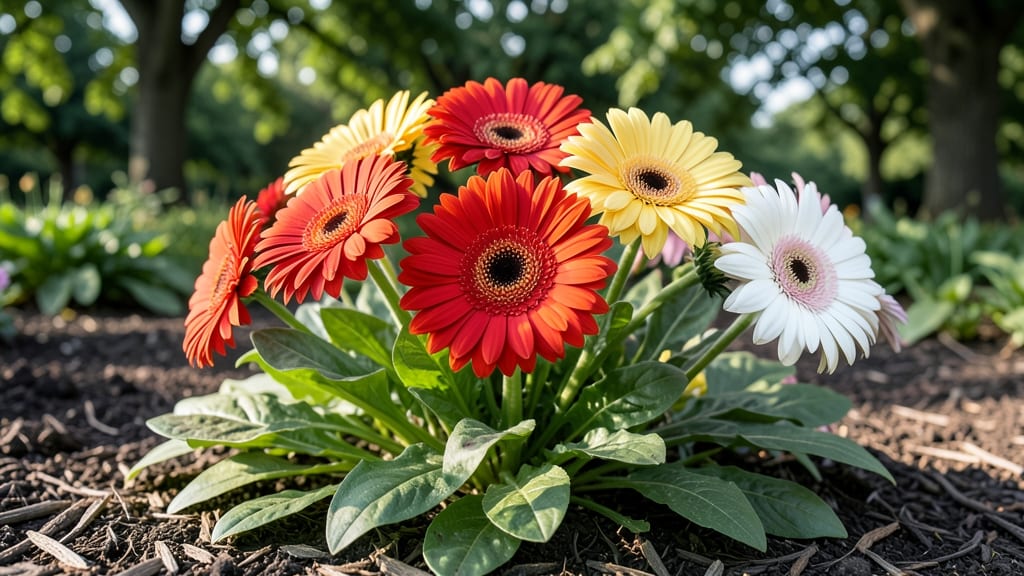
Gerbera daisies do bloom all summer with proper care, producing vibrant flowers from early summer through fall in USDA zones 8-11, though they may slow in extreme heat or drought without consistent deadheading and watering.
Gerbera daisies thrive in warm weather, but their continuous blooming depends on regular maintenance. 🌸 Without deadheading—removing spent flowers—the plant redirects energy to seed production instead of new blooms.
I've seen them produce flowers for months straight when given consistent water (about 1 inch per week) and partial shade during peak afternoon heat in zones 9-10. The key is balancing sun exposure: too little stunts growth, while too much causes buds to drop before opening.
These cheerful flowers actually have two peak bloom seasons in many climates—spring and fall—when temperatures are milder. In hotter zones (like 10-11), they may take a mid-summer break during heatwaves above 95°F, but proper care helps them bounce back.
The secret weapon? A balanced fertilizer with low nitrogen (like 5-10-10) encourages flowering over leafy growth.
💡 In This Article
- Gerbera Daisy Bloom Seasons by Climate Zone
- Deadheading and Care Tips for Nonstop Gerbera Blooms
Gerbera daisy bloom seasons by climate zone
Gerbera daisies thrive in warm climates but their flowering patterns vary dramatically by USDA zone. In zones 8-9, they typically bloom from late spring through fall, with peak production during 60-80°F temperatures.
The plant's biological clock responds to daylight length—longer summer days trigger continuous blooming, while shorter days in fall signal a natural slowdown. In zone 10-11, where heat persists year-round, gerberas may experience two bloom cycles: spring and fall, with a mid-summer lull when temperatures exceed 95°F.
The key difference lies in heat tolerance. Gerberas are tropical natives that prefer 65-75°F daytime temps, but they can handle brief spikes up to 85°F. Beyond that, buds often fail to open properly—a condition called "bud blast"—due to heat stress that disrupts the plant's hormonal balance.
Humidity also plays a role: in dry climates (30% humidity), flowers may wilt faster, while high humidity (>70%) can promote fungal issues that weaken blooming capacity. 🌡️
In cooler zones (7-8), gerberas often bloom only in summer, with fall flowers appearing smaller and less vibrant. The plant's growth slows below 50°F, and frost will kill it entirely.
This is why zone 9-10 gardens see the most consistent summer-long blooms—they provide that sweet spot of warmth without the extreme heat fluctuations that stress gerberas. The secret to extending summer blooms in these zones? Providing afternoon shade during heatwaves and maintaining consistent soil moisture.
What most gardeners don't realize is that gerberas actually have a built-in dormancy mechanism during extreme conditions. When stressed by heat or drought, they'll drop buds and leaves to conserve energy—a survival tactic that can be mistaken for poor care.
This is why regular deadheading (removing spent blooms) becomes even more critical in hot zones: it signals the plant to focus on new growth rather than entering premature dormancy.
For visual reference, here's how bloom seasons compare by zone:
- Zones 8-9: Continuous blooms May-October, with possible mid-summer slowdown
- Zones 10-11: Two cycles (March-May and September-November) with summer hiatus
- Zones 7 and below: Limited to June-August unless grown as annuals
The color intensity also shifts with climate—gerberas in cooler zones develop deeper hues as they concentrate pigments to protect against UV exposure, while those in hot zones often produce more pastel shades. This pigment variation is one of nature's clever adaptations to environmental stress! 🌈