
Blooming
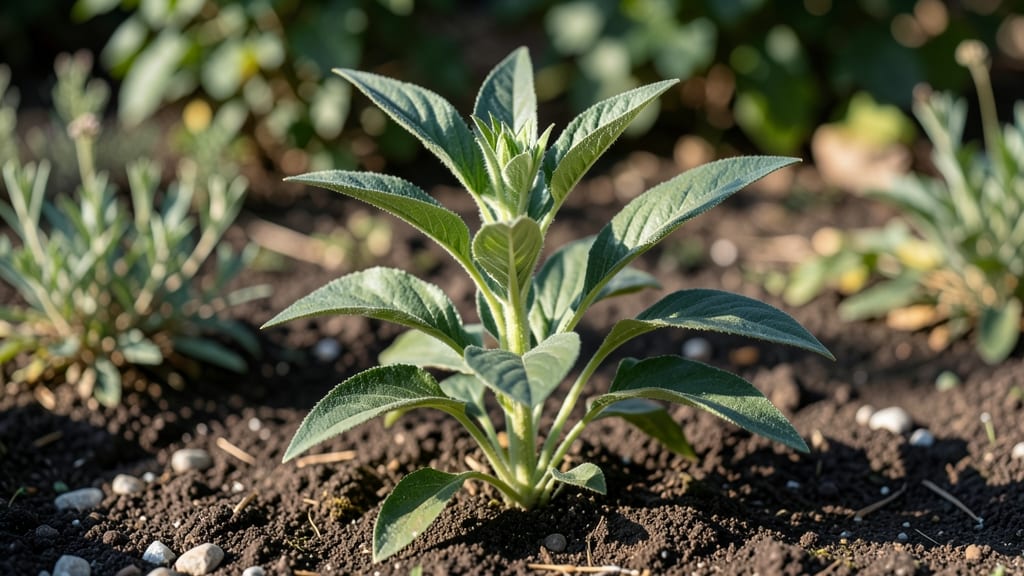
Black Eyed Susans typically do not bloom the first year after planting, as they focus on establishing strong roots before flowering. With proper care—sunlight, well-drained soil, and patience—they usually produce vibrant blooms in their second or third year, rewarding gardeners with cheerful yellow flowers from summer to fall.
This behavior isn't a sign of poor health—it's actually a smart survival strategy. 🌱 Young Black Eyed Susans prioritize building a deep, sturdy root system to support future blooms, especially in their native prairie habitats where droughts are common.
I've noticed that plants grown from seed often take longer to flower than those purchased as established nursery plants, which already have some root development. The key is giving them consistent moisture and full sun while avoiding over-fertilizing, which can encourage leafy growth at the expense of flowers.
What many gardeners don't realize is that the first year's focus on roots directly impacts how many blooms you'll get in later years. A well-established plant can produce 50-100 flowers per stem once it finally blooms, creating those iconic golden meadows.
The trade-off is worth it—patience with Black Eyed Susans pays off with low-maintenance, long-lasting blooms that attract pollinators from early summer through fall.
💡 In This Article
- Why Black Eyed Susans Delay Flowering in Early Growth Stages
- Tips to Encourage Faster Black Eyed Susan Blooms
Why Black Eyed Susans delay flowering in early growth stages
Black Eyed Susans (Rudbeckia hirta) follow a biological growth pattern called "monocarpic" behavior, where they prioritize root development over flowering in their first year. This strategy evolved in their native prairie ecosystems, where establishing deep roots helps them survive periodic droughts.
During the first growing season, up to 70% of the plant's energy goes toward creating an extensive root system that can reach 12-18 inches deep, while only minimal leaf growth occurs. 🌱 The plant's meristem (growth center) remains dormant for flowering until it achieves this root mass.
The timing of flowering is also influenced by photoperiod—Black Eyed Susans are short-day plants, meaning they need 12-14 hours of daylight to trigger blooming. In northern climates, this typically happens in their second year when daylight naturally shortens.
Temperature plays a role too: consistent soil temperatures above 50°F for at least 6-8 weeks signal the plant it's safe to shift energy toward flowering. Cold snaps or poor soil drainage can disrupt this process, causing further delays.
Stress factors like overwatering or nutrient overload can actually delay blooming. When Black Eyed Susans receive too much nitrogen (common in lawn fertilizers), they produce lush foliage but few flowers—a phenomenon called "vegetative dominance."
The plant's natural defense mechanism redirects energy toward leaf growth to maximize photosynthesis, which helps sustain the developing root system. This is why many gardeners see their first-year plants looking healthy but flowerless—it's not a defect, but a survival strategy.
Another critical factor is the plant's genetic memory of its native conditions. Wild Black Eyed Susans grow in well-drained, slightly alkaline soils (pH 6.0-7.5) with minimal organic matter.
When planted in heavy clay or waterlogged soil, their root development slows dramatically, pushing back the flowering timeline by 6-12 months. The plant essentially "waits" until conditions improve before allocating energy to reproductive growth.
What's fascinating is how this growth pattern benefits gardeners in the long run. Plants that establish strong roots in their first year produce 2-3 times more blooms in subsequent years compared to those rushed with excessive fertilizers.
The trade-off—waiting for first-year flowers—results in plants that are more drought-resistant, longer-lived, and prolific bloomers once they finally flower. This is why experienced gardeners often say the first year is about "building the foundation" for future displays.
Consider this comparison: A first-year Black Eyed Susan might grow to 12-18 inches tall with minimal flowers, while a two-year-old plant can reach 2-3 feet tall with 50-100 flowers per stem**.
The difference isn't just in height, but in the plant's ability to support its own weight and continue blooming throughout the season without wilting. This delayed gratification is actually a hallmark of resilient prairie plants.