
Blooming
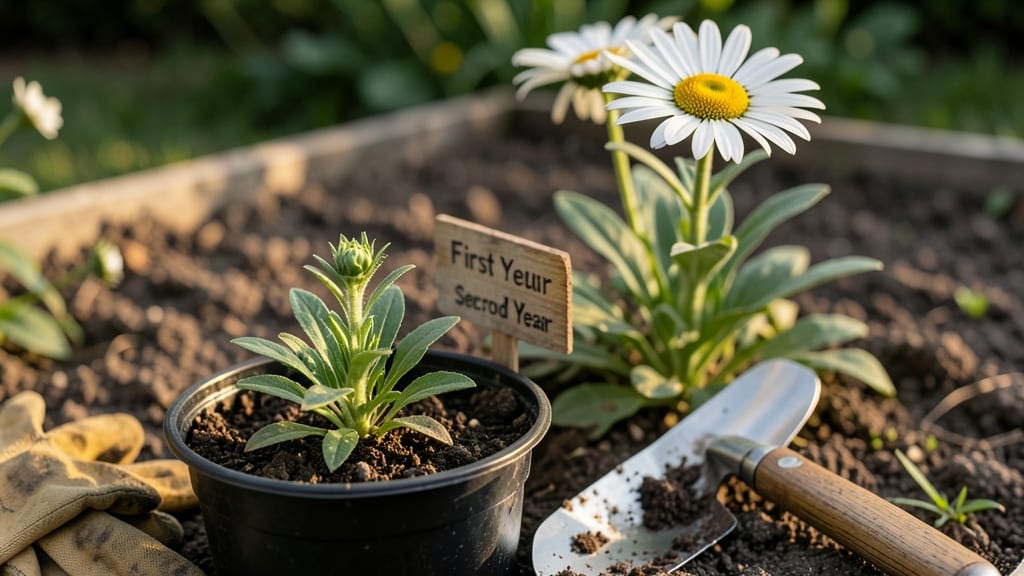
Shasta daisies typically don't bloom during their first year after planting, as they prioritize developing a strong root system and lush foliage for robust flowering in their second season. Most standard varieties need 12-18 months to reach peak bloom potential, though some compact cultivars may produce a few flowers earlier under perfect growing conditions.
This first-year focus isn't just a quirk—it's a survival strategy. 🌱 Shasta daisies allocate energy to building deep roots and sturdy stems, which directly impacts their ability to support heavy blooms later.
Think of it like a marathon runner training for a big race: they skip the sprints to build endurance. The good news? With proper care—like well-draining soil, consistent moisture, and balanced fertilizer—you can give your plants a head start toward earlier blooms next season.
What's fascinating is how this behavior varies by cultivar. While standard Shastas take their time, dwarf varieties like 'Becky' or 'Dwarf White' sometimes break the mold by producing a few small blooms in their first year.
This makes them great choices if you're eager for color but willing to wait just a little longer than expected.
💡 In This Article
- Why Shasta Daisies Delay Blooming in Their First Year
- How to Encourage Faster Shasta Daisy Growth and Early Blooms
Why Shasta daisies delay blooming in their first year
Shasta daisies follow a biological growth pattern called monocarpic flowering, where they prioritize vegetative growth over reproduction in their first year. This means about 70-80% of their energy goes toward developing a robust root system and sturdy stems capable of supporting their signature 4-6 inch blooms later.
The plant's tuber-like roots can grow up to 12-18 inches deep, creating a stable anchor that stores nutrients for future flowering.
The timing of this delayed blooming is influenced by photoperiodism—the plant's response to daylight length. Shasta daisies need at least 8-10 hours of sunlight daily to trigger flowering hormones, but they won't produce blooms until they've reached a critical leaf mass (typically 12-15 mature leaves per stem
This explains why first-year plants often look lush but bloom-free, even in ideal conditions. 🌿 Soil quality plays a crucial role in this process. Shasta daisies thrive in well-draining soil with a pH between 6.0-7.5, where nutrients like phosphorus and potassium are readily available. In poor soil, plants divert even more energy toward root expansion to access nutrients, further delaying blooms. The plant's natural strategy mirrors how biennials like carrots focus on root development before flowering—though Shastas are technically perennials, their first-year behavior is functionally similar. Temperature also affects bloom timing. Shasta daisies require 60-70°F daytime temperatures for optimal growth, with cooler nights (50-55°F) signaling maturity. If planted too early in warm climates, they may bolt (prematurely flower) with weak stems, while late planting in cool zones can stunt root development entirely. This explains why gardeners in USDA Zones 5-8 often see more reliable second-year blooms. What's interesting is how this pattern varies by cultivar. Standard Shasta daisies like 'Alaska' or 'White Lady' typically wait until their second spring, while dwarf varieties such as 'Becky' or 'Little Princess' may produce 5-10 small blooms in their first year if given perfect conditions. This size-based variation occurs because smaller plants have lower energy demands, allowing them to allocate some resources to flowers while still building roots. 🌸 The good news for impatient gardeners is that this first-year focus pays off handsomely. Plants that establish strong roots in their inaugural season often produce 2-3 times more blooms in their second year, with stems capable of supporting 10-15 blooms per plant—a dramatic improvement over the sparse first-year display. This biological strategy ensures the plant's survival and future reproductive success.