
Blooming
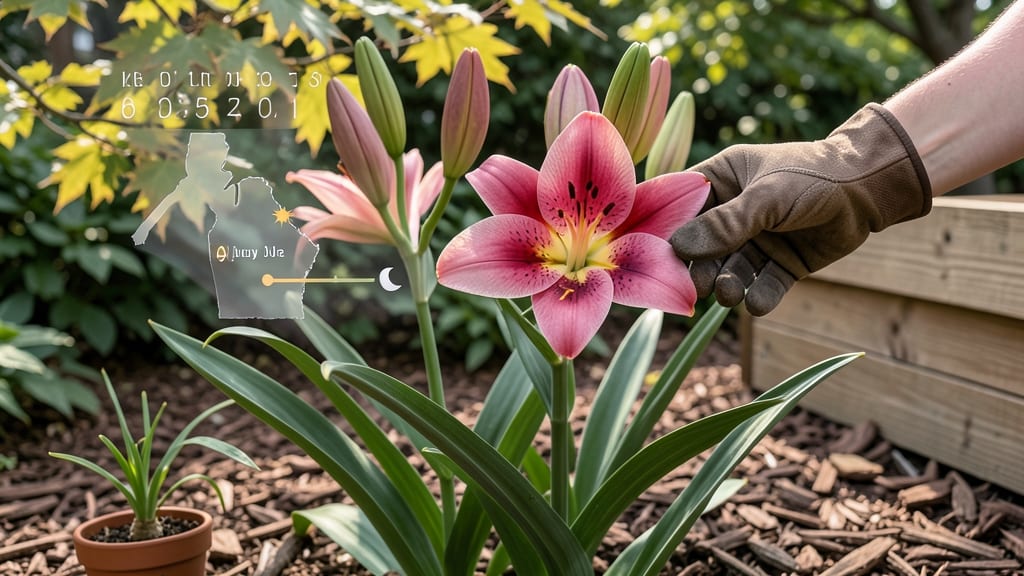
Lilies bloom in Michigan between late June and August, with exact timing depending on the variety and when you planted them—spring bulbs show off their 🌸 glory earlier, while fall-planted ones may wait until July.
Michigan gardeners know the thrill of watching lilies burst into vibrant blooms—but timing is everything. Plant too early, and frost can nip them back; too late, and you might miss their fleeting beauty entirely.
In USDA Zones 5b-6b, Asiatic lilies often lead the charge in June, while Oriental and Trumpet varieties follow in July, stretching into August. Daylilies, a different genus but often grouped with lilies, bloom even earlier, from May through June.
Below, I’ll break down the true bloom windows for each type, how to adjust for Michigan’s frost dates, and the one simple trick to extend your lilies’ show by weeks—without buying new bulbs.
Michigan lily bloom calendar: exact months by type (true vs. daylilies)
Michigan’s lily blooms are a highlight of summer gardens, but timing varies dramatically between true lilies (like Asiatic and Oriental) and daylilies. In Zones 4-6, frost dates and variety selection determine whether you’ll enjoy blooms in June or August.
Let’s break down the exact bloom windows so you can plan your garden for maximum impact.
True lilies (genus Lilium) and daylilies (genus Hemerocallis) aren’t related, which is why their bloom times differ. True lilies thrive in cool spring soils but need warmth to flower, while daylilies tolerate heat better.
Michigan’s last frost date (mid-April in most areas) and first frost (mid-October) create a tight window for blooms—typically June through August.
True lilies are divided into three main types: Asiatic, Oriental, and Trumpet. Each has a distinct bloom window, often overlapping to create a continuous display if planted strategically. Meanwhile, daylilies bloom later in the season, often extending into September, making them ideal for late-summer color.
Here’s the key difference: Asiatic lilies bloom earliest (June), followed by Oriental lilies (July), and then Trumpet lilies (late July to August). Daylilies typically bloom from June through September, depending on the cultivar. Understanding these timelines helps you space plantings for a garden that stays vibrant all season.
Michigan’s short growing season means you’ll want to plant Asiatic lilies in spring (April-May) or fall (September-October) to ensure they establish roots before winter. Oriental and Trumpet lilies, which need more time to mature, are best planted in fall for next summer’s blooms. Daylilies, being hardier, can handle spring or fall planting with equal success.
To extend your lily blooms in Michigan, consider planting Asiatic lilies in spring for early summer color and Oriental or Trumpet lilies in fall for late summer displays. Daylilies are the most forgiving, blooming over a longer period and handling Michigan’s humidity and heat better than true lilies.
One pro tip: If you want continuous blooms, interplant Asiatic lilies (June) with daylilies (June-September). This creates a seamless transition from early to late summer. For example, the ‘Stargazer’ Oriental lily (July) pairs beautifully with ‘Happy Returns’ daylily (August-September).
Michigan’s late-summer heat can stress true lilies, causing them to bolt or fade quickly.
To combat this, mulch heavily around the base to retain moisture and water deeply in the morning to avoid fungal diseases. Daylilies, on the other hand, thrive in this heat and often reward you with second blooms if deadheaded regularly.
Don’t forget that Trumpet lilies, like the ‘Regale’ hybrid, are deer-resistant and perfect for Michigan gardens where deer browsing is a concern. Their late-summer blooms (July-August) fill a gap when many other perennials are winding down.
For gardeners in northern Michigan (Zone 4), focus on daylilies and Asiatic lilies for reliability. Oriental and Trumpet lilies may need extra mulch to protect their bulbs from
How to time lily planting for Michigan’s short growing season
Michigan’s unpredictable spring and fall transitions make timing lily planting critical for vibrant blooms. Unlike warmer climates, our short growing season demands precise scheduling—whether you’re planting lily bulbs in spring or bareroot lilies in fall.
Miss the window, and you’ll delay blooms or risk frost damage. Here’s how to align your planting with Michigan’s USDA Zones 5b-6b to ensure stunning summer displays.
First, understand that true lilies (Asiatic, Oriental, Trumpet) and Daylilies (Hemerocallis) have different timing needs. True lilies thrive when planted in spring after frost (mid-April) or early fall before ground freezes (September).
Daylilies, however, are hardier and can handle late fall planting (October). The key is preparing your soil and protecting young plants from Michigan’s late spring frosts or early fall freezes.
📅 Step-by-Step Lily Planting Timeline for Michigan
-
Step 1: Test Soil & Amend
Lilies need well-draining soil with pH 6.1–7.0. Test your soil in early spring (March) and amend with compost or sand if needed. Heavy clay soils should be mixed with organic matter to prevent rot.
-
Step 2: Plant Bulbs in Spring (Mid-April)
Dig holes 6–8 inches deep and 6–8 inches apart. Place bulbs with the pointy end up and cover with soil. Water deeply to settle roots. Use row covers if late frosts threaten.
-
Step 3: Plant Bareroot Lilies in Fall (September)
Soak roots for 1–2 hours before planting. Dig trenches 6 inches deep and space roots 6 inches apart. Mulch with straw (3–4 inches) to insulate from winter cold.
-
Step 4: Fertilize Strategically
Apply balanced fertilizer (5-10-10) in early spring and again after blooming. Avoid high-nitrogen fertilizers, which promote foliage over flowers. Stop fertilizing in August to let bulbs store energy.
-
Step 5: Protect from Frost
Use frost cloth or mulch to shield new growth in late spring. In fall, add extra mulch (4–6 inches) before ground freezes. Remove mulch in early spring to prevent rot.
-
Step 6: Deadhead & Mulch for Next Year
After blooms fade, cut back foliage by ⅓ but leave it until yellow. Mulch with compost or leaves in fall to protect bulbs. This ensures stronger blooms next summer despite Michigan’s short season.
Michigan’s late spring frosts can still catch lilies off guard, even with perfect timing. If you plant in spring (April–May), monitor your garden for frost warnings and cover plants with frost blankets or burlap sacks on nights below 32°F.
For fall-planted lilies, aim to finish by mid-September—any later, and roots won’t establish before winter.
Don’t overlook light requirements: Lilies need full sun (6+ hours daily). In Michigan’s shady yards, blooms will be sparse. If your garden lacks sun, consider container planting near a south-facing wall or raised beds for better warmth.
Pair lilies with early bloomers like tulips to extend your seasonal color show.
With these steps, your lilies will bloom reliably in July–August, turning your Michigan garden into a fragrant, eye-catching paradise—despite the state’s short growing season. The secret? Prep early, protect from frost, and feed wisely. Your future summer blooms will thank you! 🌸