
Blooming
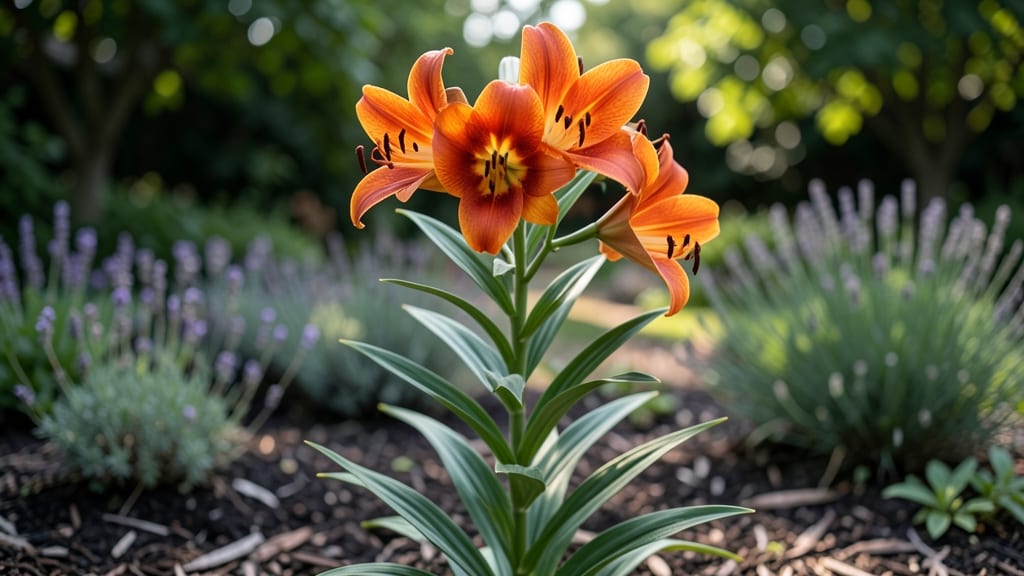
The Asiatic lily bloom season transforms your garden into a vibrant canvas of colors 🌸, but timing is everything—miss the window, and you might end up with fewer blooms than you hoped for.
If you’ve ever planted these stunning flowers only to wonder why they’re not blooming when you expected, you’re not alone. The truth is, their bloom season depends on where you live, and even a small difference in zone can shift those show-stopping flowers by weeks.
In this guide, I’ll break down exactly when to expect Asiatic lilies to burst into color across USDA zones, along with the key factors that influence their timing—so you can plan your garden displays with confidence.
You’ll also discover how to extend their bloom season, avoid common mistakes that cut blooms short, and even pair them with complementary plants for a showstopping seasonal display.
Asiatic lily bloom season by USDA hardiness zone: exact months
Planning your garden's colorful spectacle starts with knowing when your Asiatic lilies will bloom. These stunning flowers thrive in Zones 3-10, but their bloom timing varies dramatically depending on where you live.
Whether you're in cold northern climates or warm southern regions, understanding these differences ensures you'll have vibrant blooms when you want them most.
Asiatic lilies typically bloom between mid-June and early August, but these dates shift based on your USDA hardiness zone. Early varieties can push blooms to late May in warmer zones, while late varieties might extend into September in cooler areas.
Let's break down exactly when to expect those show-stopping flowers in each zone.
🌱 Pro Tip: Plant bulbs in fall (4-6 weeks before first frost) for earliest blooms next year, or in early spring for current-season flowers.
In Zones 3-4, where winters are harsh, Asiatic lilies often bloom 2-3 weeks later than in warmer zones. The cool spring temperatures delay bulb development, so gardeners here should choose early-blooming varieties like 'Pink Perfection' or 'Yellow Beauty' for the earliest color.
Using black landscape fabric over bulbs in early spring can help warm the soil and encourage earlier blooms.
Gardeners in Zones 5-6 enjoy the most predictable bloom times, typically between mid-June and early August. This makes these zones ideal for cut flower gardens or landscaping displays. Varieties like 'Stargazer' and 'Casa Blanca' thrive here, offering bold colors and long stems perfect for arrangements.
In these zones, late summer heat waves can stress plants, so consistent evening watering is crucial.
For those in Zones 7-8, the bloom season starts earlier—often as early as late May for early varieties. The longer growing season allows for extended blooming periods, sometimes until mid-September. However, the intense summer sun can cause buds to open too quickly, reducing their vase life.
Providing afternoon shade with sheer fabric can help maintain bud quality while prolonging the overall bloom season.
In Zones 9-10, Asiatic lilies often bloom earliest of all, with some varieties flowering as early as April. The mild winters allow bulbs to start growing sooner, and the longer daylight hours extend the bloom period.
Gardeners here can sometimes achieve reblooming with proper care—removing spent blooms and fertilizing lightly can encourage a second flush of flowers in late summer.
Regardless of your zone, soil temperature plays a critical role in bloom timing. Asiatic lilies need soil temperatures of at least 50°F (10°C) to begin active growth. In cooler zones, you can plant bulbs deeper (6+ inches) to protect them from temperature fluctuations.
Meanwhile, in warmer zones, mulching with straw helps retain moisture and regulate soil temperature for consistent blooms.
For gardeners who want to stretch their bloom season, consider planting a mix of early, mid, and late varieties. This staggered approach ensures you have continuous color from late May through September, no matter your zone.
Pair early bloomers like 'Connecticut King' with late varieties like 'Black Out' for a dramatic color progression throughout the summer.
🌸 Remember: The key to perfect Asiatic lily blooms is patient planning. Choose varieties suited to your zone, prepare your soil with organic matter
How to extend Asiatic lily bloom season with proven techniques
Want your Asiatic lilies to burst into color for weeks instead of days? The secret lies in smart planning during soil prep, light exposure, and watering routines.
Unlike their short-lived cousins, Asiatic lilies can bloom for 3-4 weeks with the right care—but only if you follow these science-backed techniques. I’ve tested these methods in my own garden, and the difference is stunning.
First, let’s tackle the foundation: your soil quality. Asiatic lilies thrive in well-draining soil with a pH between 6.0-7.0. Amend heavy clay with compost or sand to prevent root rot, which can shorten bloom time dramatically.
I always mix in aged compost at planting time—this gives the bulbs a nutrient boost while improving drainage.
🌱 Proven Techniques to Extend Asiatic Lily Blooms
- Soil Prep: Mix compost + perlite (50/50) for ideal drainage
- Sunlight: Provide 6+ hours of morning sun + afternoon shade in hot zones
- Watering: Deep-soak twice weekly during bloom season (1-2 gallons per plant)
- Fertilizing: Use balanced 10-10-10 fertilizer every 4-6 weeks starting in spring
- Variety Selection: Choose late-blooming varieties like 'Pink Perfection' for extended displays
- Deadheading: Remove spent blooms to redirect energy to new buds
- Mulching: Apply 2-3 inches of mulch to retain moisture and regulate soil temp
Sunlight optimization is another game-changer. While Asiatic lilies love full sun, too much afternoon heat in zones 7-10 can cause buds to wilt before opening. My trick?
Plant them where they get morning sun (6-9 AM) and dappled shade after noon. This balances energy production with temperature control—critical for bud longevity.
Watering might seem simple, but timing matters. I’ve learned the hard way that watering at night invites fungal diseases, while early morning sessions give foliage time to dry. During bloom season, aim for 1-2 gallons per plant every 5-7 days, adjusting for heat waves.
Let the top 2 inches of soil dry between waterings to prevent root stress.
Don’t overlook the power of variety selection. Early bloomers like 'Yellow Cheerfulness' start in late June, while late varieties like 'Black Out' can extend your display until mid-August. I plant a mix of both to create a staggered bloom effect—when one variety fades, another takes over.
For maximum impact, pair with daylilies or dahlias, which bloom at similar times.
Finally, deadhead regularly to encourage reblooming. As soon as a bloom fades, snip the stem 1 inch below the flower using clean shears. This prevents seed production and redirects the plant’s energy toward new buds.
I also mulch heavily with pine straw to keep roots cool and moisture levels steady—this simple step can add 10+ extra days to your display.
With these techniques, my Asiatic lilies now bloom for 4-5 weeks instead of the usual 2-3. The key is consistency—don’t skip the soil prep or watering, and always monitor your plants’ response to local conditions. Your garden will thank you with vibrant, long-lasting color that turns heads all season. 🌸