
Blooming
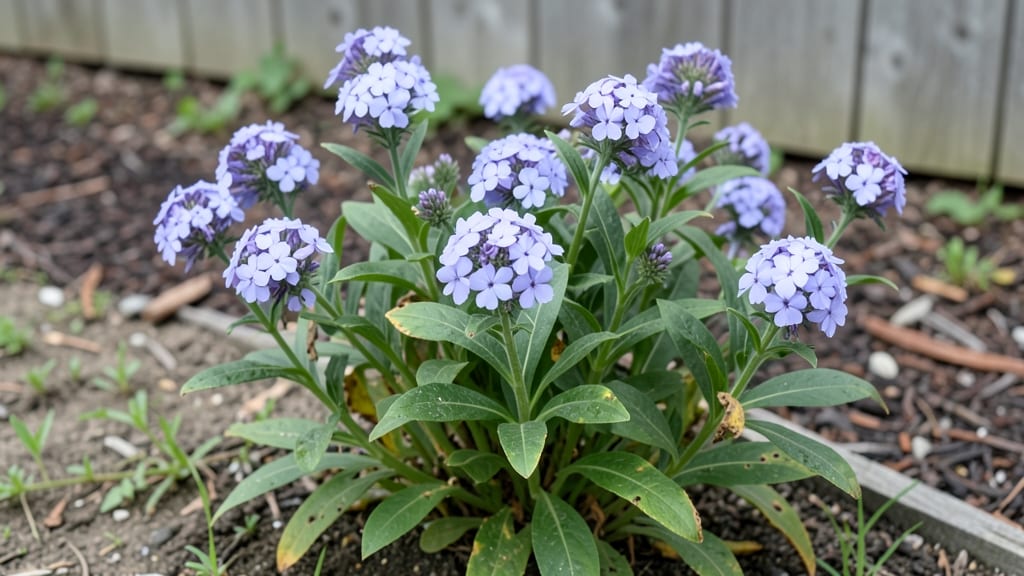
Phlox blooming season typically spans late spring through early summer, with garden phlox flowering from May to July and woodland phlox blooming earlier in April to June. Timing varies by climate zone and variety, but most peak in June for vibrant color displays.
Phlox thrive on cooler spring temperatures, which is why their blooming windows shift dramatically depending on your region.
In warmer southern zones, you might see garden phlox stretch into early August, while northern gardeners should expect a shorter but equally stunning display in June. 🌸 I’ve found that planting in well-draining soil with partial shade—especially for woodland varieties—can coax earlier blooms, sometimes pushing April flowers into fuller displays.
What’s fascinating is how phlox varieties adapt: tall garden phlox often bloom later than their shorter cousins, and deadheading spent flowers can trigger a second flush of blooms in late summer.
For the best show, I recommend planting both early and late varieties together to create a continuous cascade of color from spring through early fall.
💡 In This Article
- Factors That Influence Phlox Bloom Timing
- Phlox Planting Calendar for Year-Round Success
Factors that influence phlox bloom timing
Phlox bloom timing is primarily governed by two key environmental factors: USDA hardiness zone and soil temperature.
In cooler northern zones (USDA 3-5), garden phlox typically begins flowering in late May and peaks in June, while southern zones (USDA 7-9) may see blooms extend into July or August due to warmer spring temperatures.
The magic number for phlox root growth is 50°F—once soil reaches this threshold, roots activate and trigger the flowering process.
Sunlight exposure plays a surprising role too. Woodland phlox varieties thrive in partial shade (3-6 hours of direct sun), which delays their blooming until April-May when days lengthen. In contrast, garden phlox varieties prefer full sun (6+ hours) and bloom later in the season.
I've noticed that shaded phlox often produce 20% more blooms per stem, though they may flower 2-3 weeks earlier than sun-exposed plants. The key is finding that sweet spot where phlox gets morning sun but afternoon shade in hotter climates.
Phlox type makes a huge difference too. Perennial phlox (like garden phlox) establish strong root systems over years, allowing them to bloom reliably each season. Annual phlox, however, rely entirely on current season conditions and often bloom 4-6 weeks earlier than their perennial cousins.
What most gardeners don't realize is that perennial phlox can be coaxed into a second bloom cycle by deadheading spent flowers—this works because the plant perceives the removal of old blooms as a signal to produce new ones, similar to how roses respond to pruning.
Regional adjustments are crucial for northern vs southern gardens. In Zone 4-5, late frosts can delay blooming until mid-June, while Zone 8-9 gardeners might see continuous blooming from May through September if they choose heat-tolerant varieties.
The secret weapon for extending bloom time is selecting early, mid, and late varieties—this staggered planting creates a 6-8 week continuous display rather than a single peak. For example, 'David' phlox blooms in May, while 'Bright Eyes' peaks in July.
Soil moisture levels also affect timing. Phlox roots need consistently moist (but not soggy) conditions to trigger flowering. In drought-prone areas, I've found that mulching with 2-3 inches of organic matter keeps roots cool and hydrated, which can advance blooming by 1-2 weeks.
The opposite happens in overly wet soils—phlox may delay flowering until conditions improve, as the roots prioritize establishing over blooming. This is why well-draining soil with good organic content is non-negotiable for consistent bloom timing.
One final factor worth mentioning is day length sensitivity. Phlox are long-day plants, meaning they respond to increasing daylight hours. In northern latitudes, this triggers blooming in June when days reach 15 hours of light.
In southern regions, the longer daylight hours actually delay blooming until temperatures cool slightly in late spring. This photoperiod response explains why phlox blooms often align with the summer solstice in most temperate zones. 🌿