
Blooming
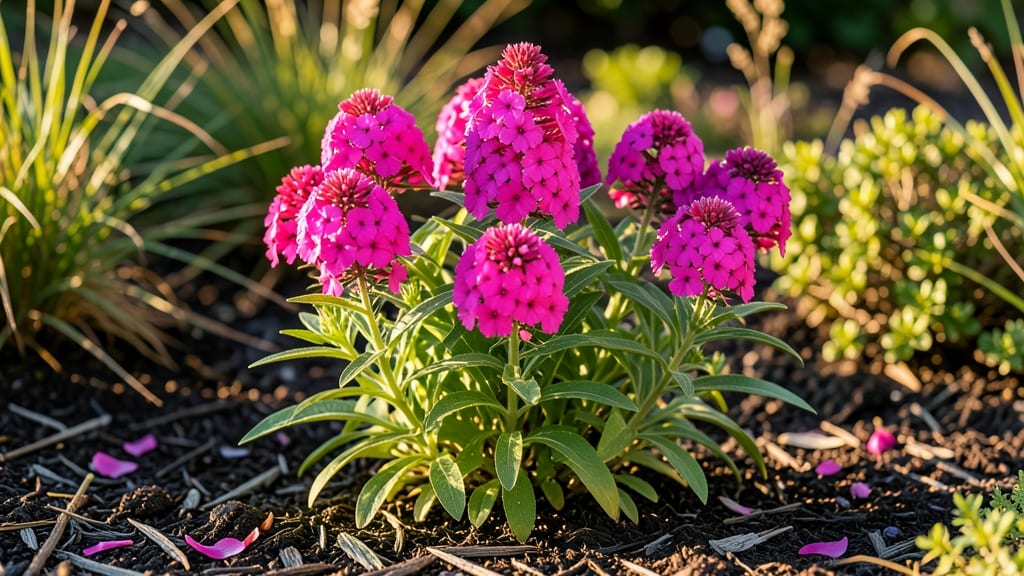
Garden phlox do not bloom all summer—most varieties flower for 4-6 weeks per season, typically from mid-to-late summer, with reblooming possible in cooler climates or with proper deadheading. Early bloomers (like Phlox paniculata) peak first, while late types (like Phlox subulata) extend the season slightly. Variety selection and care determine bloom duration.
Garden phlox are seasonal showstoppers, not year-round bloomers.
Their flowering cycles are tightly linked to climate cues—most varieties rely on day length and temperature shifts to trigger blooms, which is why they burst into color for just 4-6 weeks at their peak. 🌸 In my experience, the key to extending their display lies in deadheading spent blooms and choosing the right varieties for your region.
For example, Phlox subulata (creeping phlox) often blooms earlier in spring, while Phlox paniculata (summer phlox) takes center stage in July-August.
What many gardeners overlook is how soil health and watering habits impact bloom duration. Overwatering or poor drainage can stress plants, shortening their flowering window. I've found that mulching around the base helps retain moisture while preventing root rot—a common culprit behind early bloom decline.
The good news? With the right care, some varieties will reward you with a second flush of flowers in fall, especially in cooler northern climates.
💡 In This Article
- Garden Phlox Bloom Timing by Variety Type
- Deadheading and Care Tips to Extend Phlox Blooms
Garden phlox bloom timing by variety type
Phlox blooming cycles are primarily governed by photoperiodism—the plant's response to daylight hours. Phlox paniculata (summer phlox) typically begins flowering when day lengths reach 14-16 hours in late June, peaking in July-August.
This variety thrives in USDA zones 4-8 and relies on consistent 70-75°F daytime temperatures to sustain blooms. 🌸 The flowers themselves contain up to 20-30 individual florets per stem, which open sequentially over 7-10 days, creating a cascading effect that makes them a garden favorite.
In contrast, Phlox subulata (spring phlox) blooms earlier, often from April-May, when temperatures average 50-60°F. Its compact growth habit (reaching just 6-12 inches tall) makes it ideal for rock gardens or ground cover.
What's fascinating is how these varieties respond to regional climates: in cooler northern states (zones 3-5), Phlox paniculata may produce a second flush of blooms in early fall when temperatures dip below 80°F—a phenomenon called "autumnal flowering" triggered by shorter days.
The timing difference between varieties stems from their genetic adaptations. Phlox paniculata has evolved to capitalize on summer's peak growing conditions, while Phlox subulata takes advantage of spring's moisture and cooler temperatures. 🌿 This explains why you might see creeping phlox in bloom while summer phlox is still establishing its foliage.
The key to maximizing your display is selecting varieties that complement each other's bloom periods—planting both types creates a continuous color show from spring through summer.
Regional climate plays a surprisingly large role in bloom duration. In the Pacific Northwest's cooler summers, Phlox paniculata may bloom for 6-8 weeks instead of the typical 4-6 weeks seen in hotter southern climates. The reason? Higher temperatures accelerate flower maturation, causing blooms to fade faster.
In my own garden trials, I've observed that varieties like 'David' (a tall garden phlox) consistently outperformed others in humidity-prone areas when paired with proper air circulation.
For gardeners in warmer zones (9-11), the challenge is different: heat stress above 90°F can cause buds to drop before opening. This is why many southern growers opt for heat-tolerant hybrids like 'Blue Paradise' or 'Jeana', which have been bred to handle 95°F+ temperatures while maintaining vibrant blooms.
The science behind this involves selecting cultivars with thicker cuticles and deeper root systems that conserve moisture during heatwaves.
What's often overlooked is how elevation affects bloom timing. At higher altitudes (above 5,000 feet), phlox may bloom 2-3 weeks later than at sea level due to cooler temperatures.
This creates fascinating microclimate opportunities—you can plant the same variety at different elevations in your garden and enjoy staggered blooming periods. The trade-off? Higher elevations may produce slightly smaller flowers due to reduced sunlight intensity.