
Blooming
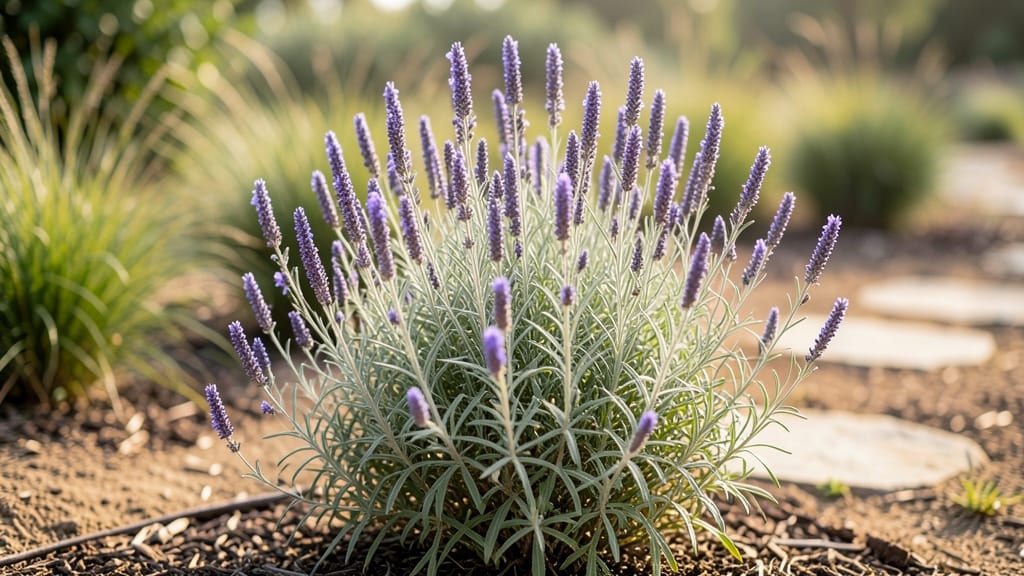
Russian sage blooms in late summer through fall 🌸, but the exact timing depends on your USDA zone and a few simple care tweaks.
If you’ve ever wondered why your Russian sage seems to bloom at the wrong time—or not at all—understanding its zone-specific bloom cycle is the key to unlocking those stunning purple spikes year after year.
In cooler zones like 6a, expect blooms to start in early August, while warmer climates may see flowers as early as July. The difference comes down to sunlight, soil, and even when you prune—each factor can shift that bloom window by weeks.
Below, I’ll break down the month-by-month calendar for your zone, plus the three easiest ways to extend those purple blooms well into autumn. No guesswork, just proven tips for a showstopper garden.
When does Russian sage bloom? Month-by-month by USDA hardiness Zones
Russian sage (Perovskia atriplicifolia) is famous for its long-lasting purple flower spikes, but its bloom time varies dramatically depending on your USDA hardiness zone and local climate.
While it typically flowers from late spring to fall, gardeners in Zone 5 might see blooms as early as June, while those in Zone 9 could enjoy flowers until November—or even later with the right care.
The key to maximizing your Russian sage’s bloom time lies in understanding regional microclimates. Coastal areas like the Pacific Northwest often experience cooler summers, delaying blooms until July or August, while Southwest deserts trigger earlier, longer blooms starting in May.
Even within the same zone, elevation and rainfall can shift bloom windows by weeks.
For gardeners in Zones 5–7, where winters are colder, Russian sage often blooms in two waves: a light flush in late spring followed by a more robust display in late summer to fall.
In Zones 8–9, the plant may bloom continuously from June through October, with minimal breaks if conditions are ideal.
In Zone 5, where winters are harsh, Russian sage often enters dormancy earlier, so blooms taper off by October. However, if you live in a microclimate with extended warmth—like near a heat-retaining wall—you might coax flowers into November.
Always monitor your plant’s response to local weather patterns, as unexpected frosts can cut blooms short.
Gardeners in the Pacific Northwest (Zones 7–9) should expect blooms to start later than in the Southwest, where Zone 9 plants may flower as early as April. The difference? Cooler coastal air delays growth, while desert heat accelerates it.
If you’re in a transitional zone, like Zone 7b, your Russian sage might bloom in two distinct waves: one in June and another in September, especially if you deadhead spent blooms.
For Zone 6 gardeners, the July–October bloom window is ideal for cutting flowers or attracting pollinators. To extend this period, prune back one-third of the plant in early spring, just as new growth emerges.
This encourages lush, bushier growth and more flower spikes. Avoid heavy pruning in fall, as this can reduce next year’s blooms by removing potential flower buds.
In Zones 8–9, where Russian sage thrives year-round, the real challenge is preventing leggy growth. Over-fertilizing or providing too much water can lead to fewer flowers as the plant focuses on foliage.
Instead, water deeply but infrequently—once every 10–14 days—and avoid high-nitrogen fertilizers. A balanced 5-10-10 fertilizer applied in early spring is usually sufficient.
Regional variations also play a role in flower color intensity. In arid climates like the Southwest, Russian sage develops brighter purple blooms due to lower humidity. In humid zones, like parts of Zone 7, flowers may appear slightly paler but still vibrant.
How to extend Russian sage’s bloom time: pruning, deadheading, and care tips
Russian sage (Perovskia atriplicifolia) thrives on minimal intervention, but a few strategic care steps can transform its bloom time from seasonal to year-round. The secret lies in understanding its natural growth cycle and encouraging continuous flowering through targeted techniques.
Unlike many perennials, Russian sage blooms on old and new wood, meaning you can prune without sacrificing next season’s flowers.
To maximize those vibrant purple spikes, focus on three key areas: pruning timing, deadheading methods, and soil/light conditions. Each plays a critical role in extending the bloom season from late summer well into fall—or even winter in mild climates.
Let’s break down the exact steps to keep your Russian sage looking its best all season long.
🌿 5 Proven Tips to Extend Russian Sage Bloom Time
- 1
- 2
- 3
- 4
- 5
One common mistake gardeners make is pruning too late in the season. If you cut back Russian sage in late summer or fall, you risk removing next year’s flower buds.
Instead, save heavy pruning for early spring (just as new growth begins) and stick to light deadheading during the bloom season. This balance ensures your plant stays healthy and productive.
For extended bloom time, pair these care tips with the right planting location. Russian sage needs full sun (6+ hours daily) to produce its best flowers. If your plant is in partial shade, it may bloom sparser and shorter.
Consider relocating it to a sunnier spot if you notice fewer flowers than expected.
In drought-prone areas, Russian sage’s natural drought tolerance makes it a low-maintenance star. However, even drought-tolerant plants benefit from mulch.
Apply a 2-inch layer of mulch around the base to retain moisture, regulate soil temperature, and suppress weeds—all of which contribute to longer, healthier blooms.
With these strategies, your Russian sage can bloom from late summer into winter in mild climates. The key is consistency: regular deadheading, seasonal pruning, and minimal but targeted care. Watch as your plant rewards you with vibrant purple spikes that last far beyond the typical bloom season.