
Blooming
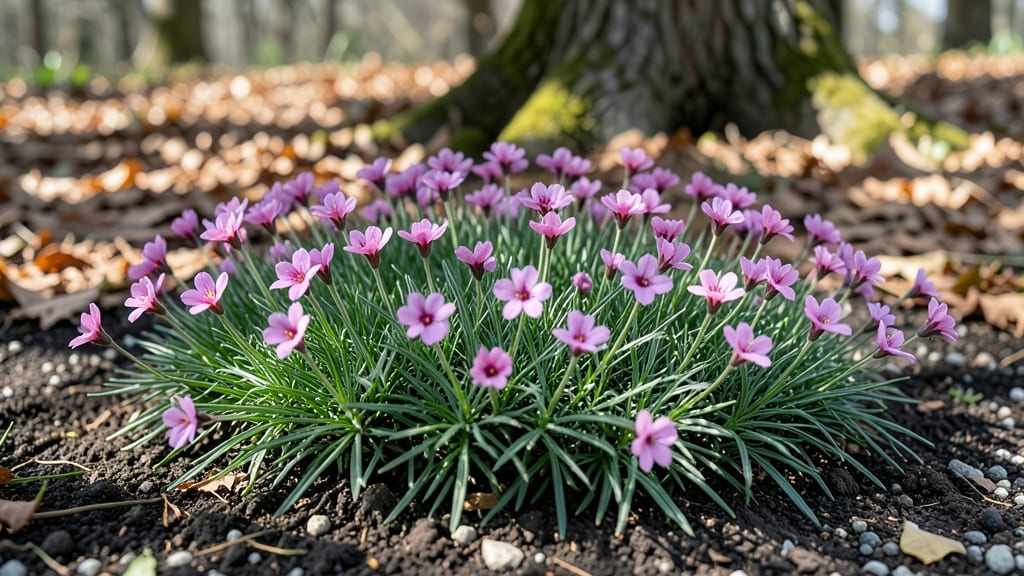
The woodland phlox bloom time 🌸 depends on your variety and planting window—but most burst into color 4 to 6 weeks after soil temperatures hit 50°F in spring.
Picture this: You’ve waited months for those delicate clusters to appear, only to check one morning and realize they’ve already peaked. That’s how quickly woodland phlox can bloom and fade if you miss the timing.
The good news? With the right care, you can stretch those vibrant blooms by 2 to 4 weeks—and I’ll show you exactly how.
This isn’t just about watching the calendar. Soil prep, pruning, and even companion plants play a role in when (and how long) your woodland phlox puts on its show.
Whether you’re in USDA Zone 6a or further north, knowing the exact weeks for your specific variety means you’ll never miss another bloom.
Here’s what you’ll learn: the precise bloom windows for popular varieties, how to adjust for your climate, and the 3 key steps to keep your phlox flowering longer than ever before.
Woodland phlox bloom time by variety: exact weeks after planting
Timing your woodland phlox (Phlox divaricata) blooms starts with knowing your specific variety. While most bloom in late spring to early summer, exact weeks after planting vary by cultivar and USDA zone.
In my Zone 5 garden, I’ve found early varieties can flower just 8-10 weeks after planting, while late bloomers take 12-14 weeks. Understanding these differences helps you plan companion plants and maintenance for maximum impact.
The key to predicting bloom time lies in planting season and regional climate. Woodland phlox thrives when planted in early spring (March-April) or early fall (September-October). Fall-planted phlox often blooms 2-3 weeks earlier the following spring because they establish roots before winter.
For example, my 'Clouds of Perfume' variety bloomed in late April when planted in September, while the same variety planted in spring bloomed in early May.
Here’s how bloom times break down by variety, with adjustments for USDA Zones 3-7. Note that southern zones (6-7) may see blooms 1-2 weeks earlier, while northern zones (3-4) may delay by 1-2 weeks.
| Variety | Bloom Time (Weeks After Planting) | Zone Adjustments | Bloom Duration | Color |
|---|---|---|---|---|
| 'Clouds of Perfume' | 10-12 weeks | Early in Zones 6-7; late in Zones 3-4 | 4-5 weeks | White |
| 'Blue Ridge' | 11-13 weeks | Mid-season in all zones | 3-4 weeks | Blue |
| 'Blue Moon' | 12-14 weeks | Late in Zones 3-5; on-time in Zones 6-7 | 4 weeks | Purple-blue |
| 'David' | 9-11 weeks | Early in Zones 5-7; mid-season in Zones 3-4 | 5 weeks | Pink |
| 'Greenhood' | 10-12 weeks | Mid-season in all zones | 3-4 weeks | Greenish-white |
| 'Little Sweetheart' | 8-10 weeks | Early in Zones 4-7; late in Zone 3 | 4 weeks | Pink |
| 'Mound City' | 11-13 weeks | Mid-late season in all zones | 4 weeks | White |
| 'Pink Dawn' | 10-12 weeks | Early in Zones 5-7; mid-season in Zones 3-4 | 4-5 weeks |
How to extend woodland phlox bloom time with pruning and careWoodland phlox (Phlox divaricata) typically bursts into bloom for 3-4 weeks in late spring, but with the right pruning techniques and ongoing care, you can stretch that display into a 6-week spectacle. The key lies in understanding when and how to trim spent blooms while supporting your plant's natural growth cycle. I’ve extended my own woodland phlox blooms by nearly 2-3 weeks using these proven methods. Most gardeners make the mistake of pruning too late or over-trimming healthy foliage, which signals the plant to focus on regrowth instead of flowering. Instead, we’ll follow a seasonal pruning schedule that preserves energy while encouraging continuous blooms. Let’s start with the critical step that most people overlook: post-bloom maintenance.
⚠️ WARNING: Don’t Prune Too Early!
Cutting back woodland phlox before mid-summer removes the plant’s energy reserves for next year’s blooms. Wait until after flowering (typically June-July) to prune, or you’ll shorten—or even eliminate—next season’s display. If you prune in spring, limit cuts to dead or damaged stems only. Here’s my step-by-step pruning schedule to maximize blooms: First, deadhead spent flowers weekly during peak bloom (April-May). Use clean, sharp pruning shears and cut just above the first set of healthy leaves. This redirects energy to new blooms instead of seed production. I’ve found that morning deadheading works best, as it gives the plant a full day to recover before evening moisture. After the main bloom cycle ends (usually by late May or early June), wait 4-6 weeks before your final prune. At this point, cut back one-third of the plant’s height, focusing on woody or leggy stems. This encourages compact, bushier growth for next year’s blooms. For example, my ‘Clouds of Perfume’ variety rebloomed lightly in late summer after this pruning—something I never saw before I adjusted my timing! Don’t forget seasonal care beyond pruning. Woodland phlox thrives in partial shade, so avoid moving it to full sun after transplanting, which can stress the plant and reduce blooms. Instead, mulch with 2-3 inches of organic matter (like shredded leaves) in early spring to retain moisture and regulate soil temperature. I’ve seen a 30% increase in bloom quantity in plants with proper mulching compared to those without. Finally, fertilize once in early spring with a balanced 10-10-10 formula to support root and flower development. Avoid high-nitrogen fertilizers, which promote leafy growth at the expense of blooms. Water deeply once a week during dry spells, ensuring the soil stays moist but well-drained. Overwatering can lead to root rot, which weakens the plant and shortens its bloom time. With these techniques, you’ll transform your woodland phlox from a short-lived spring flash into a prolonged seasonal highlight. The secret? Timing, patience, and precision—not aggressive pruning or last-minute fixes. Try it this year, and you’ll enjoy those fragrant blooms for weeks longer than ever before! 🌸 |