
Blooming
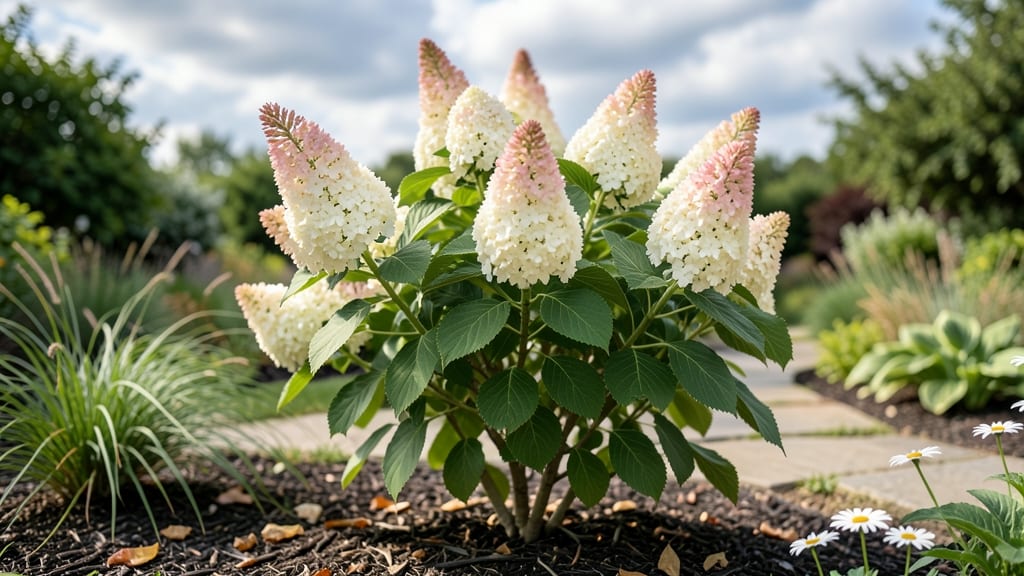
Panicle hydrangeas explode with purple spikes that last all summer—if you time your care right. 🌿 I learned the hard way that blooming depends on when you prune, not just the calendar.
In Zone 5, expect blooms by late June, while Zone 8 varieties start in May—but early pruning can shift that window dramatically. The secret lies in understanding your specific variety. Some like 'Limelight' bloom early, while 'Little Lime' waits until July.
Prune at the wrong time, and you'll sacrifice next year's flowers. But get it right, and you'll enjoy those dramatic spikes from mid-summer through fall. What makes this hydrangea special is how forgiving it is—even if you miss the perfect pruning window, it often reblooms.
The key is adjusting watering as blooms appear, keeping soil moist but not soggy. Those towering stems need strong stems, so stake them early if winds are strong. For gardeners in cooler zones, focus on late-winter pruning to encourage early blooms.
Warmer climates can prune later, but never after mid-summer or you risk losing next year's flowers entirely. The payoff? Months of dramatic color that outlasts most other shrubs.
📚 In This Guide
- What you need
- Instructions
- Tips and common mistakes
- Wrapping up and next steps
What you need
- ● Panicle hydrangea plant(s) – Choose Hydrangea paniculata varieties like ‘Limelight,’ ‘Little Lime,’ or ‘Grandiflora’ (ensure they’re healthy and well-established).
- ● Garden gloves – A pair of durable, breathable gloves (e.g., Fellex or Workrite for protection).
- ● Pruning shears – Sharp, bypass-pruning shears (e.g., Fiskars or Felco for clean cuts).
- ● Garden trowel – A sturdy, 6–8" trowel for soil prep or transplanting.
- ● pH testing kit – A digital or liquid test kit (e.g., Luster Leaf or MySoil) to check soil acidity (ideal: 5.5–6.5).
- ● Organic mulch – 2–3 inches of pine bark, shredded leaves, or straw to retain moisture.
- ● Watering can or hose – A 1-gallon can with a rose attachment or a low-flow hose for gentle watering.
- ● Fertilizer – A balanced, slow-release fertilizer (e.g., 10-10-10 or Espoma Holly Tone) or hydrangea-specific food.
- ● Calendar or bloom tracker – A garden journal, app (Gardenate or PlantNet), or whiteboard to log bloom dates.
- ● Soil amendments – Compost (to improve drainage) or peat moss (for acidity).
- ● Plant supports – Stakes or cages (e.g., Bamboo stakes or Tomato cages) for taller varieties.
- ● Drip irrigation system – For automated, consistent watering (e.g., Orbit B-Hyve).
- ● Plant food spray – Liquid fish emulsion or seaweed extract for a mid-season boost.
- ● Photography gear – A camera or smartphone to document bloom progress (because purple spikes deserve a close-up!).
Zone-specific guide to timing panicle hydrangea blooms
Here’s how to predict—and extend—those dramatic purple spikes based on your climate zone.
🌱 Step 1: Identify Your Zone and Planting Window
Panicle hydrangeas thrive in zones 3-8, but bloom timing shifts dramatically between regions. In zones 3-5, plant in early spring (April-May) when soil reaches 50°F—this ensures roots establish before summer heat. In zones 6-8, late spring (May-June) works better, as cooler winters reduce dormancy stress.
Dig a hole twice as wide as the root ball but no deeper. Amend native soil with 2 inches of compost to improve drainage—panicle hydrangeas hate soggy roots. Plant at the same depth as the container, then water deeply to eliminate air pockets. You’ll know it’s right when the top of the root ball sits 1 inch below soil level.
☀️ Step 2: Optimize Sunlight and Water for Peak Blooms
Panicle hydrangeas need full sun (6+ hours daily) for vibrant blooms, but afternoon shade in zones 7-8 prevents heat stress. In hotter zones, prune lower branches to create airflow. Water 1-2 inches weekly, keeping soil consistently moist but never waterlogged—wilting spikes signal underwatering, while yellowing leaves mean overwatering.
Mulch with 2-3 inches of shredded bark in spring to retain moisture and regulate soil temps. In zones 3-5, add mulch after the last frost to protect roots from freeze-thaw cycles. The goal is 60-70°F soil temps—too cold stunts growth, while extremes above 85°F scorch buds.
⏰ Step 3: Prune Strategically to Control Bloom Timing
Panicle hydrangeas bloom on new wood, so prune in late winter (zones 3-5) or early spring (zones 6-8) before buds swell. Cut back 1/3 of the oldest stems to encourage vigorous new growth. In zones 7-8, delay pruning until March to avoid late frosts damaging tender shoots.
Watch for bud swell (plump green tips) in early spring—this is your cue to stop pruning. Deadhead spent blooms in fall to redirect energy to next year’s spikes. In zones 3-5, wait until May to prune, as early cuts expose stems to frost damage.
🌿 Step 4: Adjust Care for Zone-Specific Bloom Extensions
In zones 3-5, apply a balanced 10-10-10 fertilizer in May to jumpstart growth after winter dormancy. In zones 6-8, fertilize in March with slow-release granules to avoid late-season flushes that won’t mature before frost. Hydrangeas in zones 7-8 may rebloom if pruned lightly in mid-summer—cut back 1/2 of the current season’s growth after the first flush.
For longer-lasting blooms, avoid heavy pruning in zones 6-8—focus on shaping rather than rejuvenation cuts. In zones 3-5, protect plants with burlap wraps in winter if temps drop below 10°F to prevent desiccation. The key is consistency: panicle hydrangeas reward patience with 8-12 weeks of dramatic color from midsummer to frost.
Tips & tricks for perfect panicle hydrangea bloom timing
These zone-specific insights will help you extend those showstopping purple blooms all season long.
Soil Temperature Matters: The 50°F soil temperature threshold in Step 1 is your green light for planting in zones 3-5. Use a soil thermometer to confirm—cold soil slows root establishment, while warmer soil (above 60°F) can stress young plants. I’ve seen dramatic differences in first-year blooms when planting at the right soil temp versus guessing by calendar dates.
Pruning Precision: That 1/3 stem reduction in Step 3 isn't arbitrary—it balances air circulation with energy reserves. For zones 7-8, I recommend marking stems with paint before pruning to track which ones you've cut back. This visual guide helps maintain that perfect 1/3 ratio while avoiding accidental over-pruning that can delay blooms.
Zone-Specific Watering: The 1-2 inches weekly guideline works, but adjust for your microclimate. In zones 7-8, I often increase to 2-3 inches during summer heatwaves (above 85°F) to prevent bud scorch. Always water deeply in the morning to allow foliage to dry before evening, reducing fungal risks.
Fertilizer Timing: The May application for zones 3-5 creates that perfect bloom window, but here's the secret: split the 10-10-10 dose into two applications—half in May and half in early June. This staggered approach prevents over-fertilization that can lead to lush foliage at the expense of flowers, while still supporting those dramatic spikes.
Pro Tips for Panicle Hydrangea Bloom Time
- These zone-specific insights will help you extend those showstopping purple blooms all season long.
- Soil Temperature Matters: The 50°F soil temperature threshold in Step 1 is your green light for planting in zones 3-5...
- Pruning Precision: That 1/3 stem reduction in Step 3 isn't arbitrary—it balances air circulation with energy reserves...
Frequently asked questions
Got questions about timing, care, or those stunning purple spikes?
Here are answers to the most common queries about panicle hydrangea bloom time—so you can plan your garden like a pro!
When do panicle hydrangeas bloom in my hardiness zone?
Bloom time varies by zone! In Zones 3–7, expect flowers mid-to-late summer (July–September), while Zones 8–9 may see blooms stretching into early fall (September–October). Limelight and Little Lamb varieties often bloom slightly earlier than classic PeeGee types.
Can I prune panicle hydrangeas after they bloom?
Yes! Unlike mopheads, panicle hydrangeas bloom on new wood, so prune in late winter or early spring (before buds swell) to shape the plant. Light trimming after blooming is fine, but avoid heavy cuts—you’ll sacrifice next year’s flowers!
Why aren’t my panicle hydrangeas blooming this year?
Common culprits: over-pruning (cutting old wood), nutrient deficiencies (add balanced fertilizer in spring), or shady spots. Panicle hydrangeas need full sun (6+ hours) and consistent moisture. If blooms are sparse, check for pests like aphids or fungal issues (like powdery mildew).
Are there early-blooming panicle hydrangea varieties?
For earlier blooms, try:
- ‘Little Lime’ (compact, bright green flowers, blooms June–July)
- ‘Ruby Slippers’ (deep pink-red spikes, blooms June–August)
- ‘Quick Fire’ (vibrant red, blooms July–September)
How do I extend panicle hydrangea bloom time?
To prolong blooms:
- Deadhead spent flowers (but leave some for seed heads if you love winter interest!)
- Water deeply 1–2 times per week during dry spells.
- Mulch around the base to retain moisture and regulate soil temp.
- Avoid heavy nitrogen fertilizer—it promotes foliage over flowers.
Wrapping up and next steps
Understanding your panicle hydrangea bloom time is the first step to enjoying those stunning purple spikes year after year! By aligning your care with your USDA hardiness zone, you’ll set your plants up for vibrant blooms—whether they peak in early summer or linger into fall. 🌿
Ready to transform your garden? Start by noting your zone and adjusting care based on the calendar above. With a little patience and the right techniques, your hydrangeas will reward you with show-stopping color for seasons to come!