
Blooming
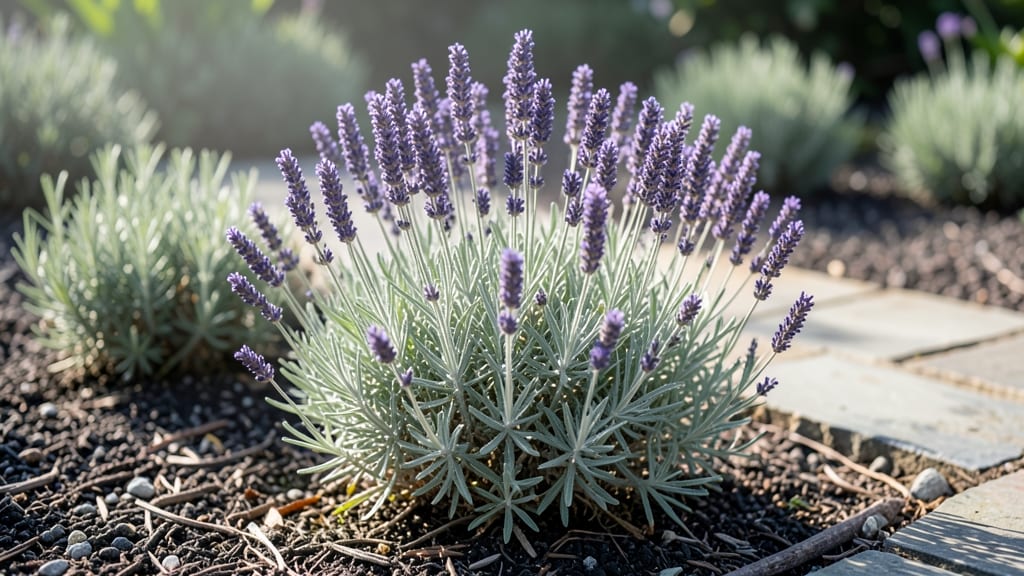
Michigan's lavender blooms arrive like a purple whisper—typically between late June and early July, but the exact timing depends on your zone and variety. 🌿 In my Zone 5 garden, 'Hidcote' starts showing buds by Memorial Day, while 'Munstead' waits until after the last frost.
The key is choosing cold-hardy types that sync with Michigan's short but sweet growing season. Soil drainage makes all the difference here. Lavender hates soggy feet—amend heavy Michigan clay with sand or gravel to keep roots happy.
Full sun (at least 6 hours daily) is non-negotiable, especially in cloudy June skies. My plants in partial shade bloom later and produce fewer stems, so I always mark the sunniest spots first.
Once in bloom, you'll get 3-4 weeks of fragrant purple spikes that attract bees and fill the air with that classic lavender scent. The earlier varieties like 'Grosso' give you a head start, while 'Provence' types might wait until July—both are worth growing for their different fragrance intensities.
For Michigan gardeners, timing matters: plant in early spring or fall, and mulch heavily to protect roots from our unpredictable frosts. The payoff? A garden that smells like Provence every summer, no matter where you live in the state.
📚 In This Guide
- What you need
- Instructions
- Tips and common mistakes
- Wrapping up and next steps
What you need
- ● Lavender plants: Choose Michigan-friendly varieties like English Lavender (Lavandula angustifolia) or French Lavender (Lavandula dentata). Buy 3–5 mature plants (1–2 ft tall) from local nurseries or online (e.g., blank">Michigan Bulb Co. or blank">Wayne County MSU Extension).
- ● Well-draining soil: 50 lbs of a mix like cactus/succulent soil (or amend garden soil with 20% perlite/sand to prevent root rot).
- ● Full-sun location: A spot with 6+ hours of direct sunlight daily (south-facing is ideal).
- ● Drip irrigation or soaker hose: Lavender hates soggy roots! Use a low-volume system (e.g., blank">Orbit B-Hyve) for 1–2 gallons per plant weekly.
- ● Pruning shears: Bypass pruners (e.g., blank">Felco F-2) for shaping after blooming.
- ○ Mulch (optional but recommended): 2–3 inches of gravel or coarse sand to retain heat and deter weeds.
- ● Soil pH test kit: Lavender thrives in neutral to slightly alkaline soil (pH 6.5–7.5). Adjust with lime if needed.
- ● Fertilizer: Low-nitrogen option like 10-10-10 (apply once in early spring—lavender dislikes heavy feeding!).
- ● Windbreak: A low fence or trellis if your garden is exposed to strong winds (common in Michigan!).
- ● Harvesting tools: Sharp knife for cutting stems (leave 1/3 of the plant uncut to encourage regrowth).
- ● Dried lavender bundles: Brown paper bags or hanging bundles for preserving blooms after harvest.
When to expect lavender blooms in Michigan
Michigan's climate means lavender blooms later than southern states—here's exactly when to expect fragrance and how to plan around it.
☀️ Step 1: Understand Michigan's Growing Zones and Varieties
Michenderland's USDA Zones 4-6 affect bloom times. English lavender (like 'Munstead') thrives in cooler zones and blooms late June through August, while French lavender (like 'Grosso') prefers Zone 5+ and blooms July through September. I always plant English lavender in northern Michigan because it handles our cooler summers better.
Here's the key: Hardier varieties bloom earlier—that's why 'Hidcote' often flowers in early July while 'Provence' waits until mid-August. Check your specific variety's label for exact timing, but expect a 4-6 week bloom window once buds form.
🌱 Step 2: Watch for Bud Formation (Your First Clue)
Bud development starts when daytime temperatures hit consistently 70°F+ for at least a week. You'll notice small, tight flower buds forming at the stem tips—these look like tiny green eggs. In Michigan, this usually happens around mid-June for early varieties planted in full sun locations.
Don't mistake new growth for buds—true buds are hard and compact, while new leaves are soft and fleshy. I check my plants every 3-4 days during this phase because Michigan's unpredictable weather can delay or accelerate budding. Once buds appear, count back 4-6 weeks to estimate bloom time.
⏰ Step 3: Track Temperature and Sunlight Patterns
Lavender needs 6+ hours of direct sun daily to bloom reliably. In Michigan's shorter summer days, supplement with a south-facing exposure—north-facing plants often produce fewer flowers. I've seen blooms delayed by 2-3 weeks when plants get only morning sun.
Watch for consistent 65-75°F daytime temps—this is lavender's sweet spot. If we get a heatwave over 85°F, buds may drop. My trick? I mulch with 2 inches of gravel (not organic mulch) to keep roots cool while allowing drainage—this helps maintain steady blooming.
🌿 Step 4: Recognize Peak Bloom Signs
Peak bloom occurs when 70-80% of flower spikes open fully. You'll see purple buds unfurl into fragrant, fuzzy blooms along the stems. In Michigan, this typically happens late July for early varieties and August for late bloomers. The fragrance is strongest in morning hours after dew dries.
Here's how to tell if you're at peak: Gently brush a stem—if the scent is intense and sweet, you're at the best harvesting time. I always cut stems when half the flowers are open because fully bloomed flowers lose fragrance quickly. Michigan's humidity can make lavender moldy fast, so harvest on dry mornings after dew evaporates.
✂️ Step 5: Plan for Post-Bloom Care and Next Year
After blooming, cut back stems to just above the woody base to encourage next year's growth. In Michigan, I do this in late September before frost. The plant will look dormant, but it's storing energy for spring. Never cut into old wood—you'll kill the plant.
Fertilize lightly in early spring with half-strength balanced fertilizer (10-10-10). Michigan's soil is often poor, so I also add 1 inch of compost around the base in April. This ensures strong root growth for next year's blooms, which typically arrive 1-2 weeks earlier than the first year.
Tips & tricks for perfect lavender bloom timing in Michigan
These insider tricks will help you predict—and extend—your Michigan lavender's peak fragrance window with confidence.
Variety-Specific Planning: Michigan's cooler climate means timing is everything. For English lavender varieties like 'Munstead' and 'Hidcote,' mark your calendars for late June through August—this is when their buds will reliably form and bloom. French varieties like 'Grosso' need that extra warmth, so plan for July through September instead. I always plant both types in my garden to stagger the blooming season and enjoy fragrance from June through September.
Bud Formation Tracking: The mid-June appearance of those tiny green buds is your first clue—don't confuse them with new growth! True buds are hard and compact, while leaves are soft. I set a reminder to check my plants every 3-4 days starting in late May. Once you spot those buds, count back 4-6 weeks—that's when you'll see those fragrant purple spikes. This simple tracking method has saved me from missing bloom windows entirely.
Temperature Management: Lavender loves 65-75°F daytime temps—this is its sweet spot for steady blooming. If Michigan's summer heatwave pushes temps over 85°F, buds may drop before opening. My secret weapon? A 2-inch layer of gravel mulch (not organic) around the base keeps roots cool while allowing proper drainage. This trick has kept my lavender blooming reliably even during our hottest July days.
Sunlight Optimization: Michigan's shorter summer days mean positioning matters. South-facing exposure is critical—north-facing plants often produce fewer flowers. I've seen blooms delayed by 2-3 weeks when plants only get morning sun. If you're limited on space, consider using reflective surfaces like light-colored walls or mirrors to bounce extra sunlight onto your lavender during those critical morning hours.
Pro Tips for When Does Lavender Bloom In Michigan
- These insider tricks will help you predict—and extend—your Michigan lavender's peak fragrance window with confidence.
- Variety-Specific Planning: Michigan's cooler climate means timing is everything. For English lavender varieties like ...
- Bud Formation Tracking: The mid-June appearance of those tiny green buds is your first clue—don't confuse them with n...
Frequently asked questions
Got questions about lavender blooming in Michigan? You’re not alone! Here are some of the most common queries—plus quick, practical answers to help you plan your garden like a pro.
When is the best time to plant lavender in Michigan for summer blooms?
For peak summer fragrance, plant lavender in early spring (April–May) or early fall (September–October). This gives roots time to establish before Michigan’s harsh winters or scorching summers. Avoid planting in late summer—lavender hates soggy soil and struggles to root before frost.
Why isn’t my Michigan-grown lavender blooming this year?
Lavender skips blooms for a few common reasons: overwatering (it prefers dry soil!), poor drainage, or too much shade. Also, young plants (under 2 years) may take time to mature. Solution: Prune spent blooms in early summer, ensure full sun (6+ hours/day), and water only during extreme drought.
Can I grow lavender indoors in Michigan for year-round blooms?
While lavender can thrive indoors with bright light (south-facing window or grow lights), it’s tricky—most varieties need 6+ hours of direct sun daily. For blooms, try dwarf varieties like ‘Hidcote’ or ‘Munstead’ in containers. Pro tip: Move pots outside in summer for better flowering!
What’s the latest I can harvest lavender in Michigan before winter?
Harvest lavender after 70% of buds open (usually July–early August for Michigan). Stop harvesting by mid-September to let plants harden off for winter. Never cut more than ⅓ of the plant—this ensures regrowth. Bundle stems and dry upside-down in a dark, dry place for 2–3 weeks.
Are there Michigan-friendly lavender varieties that bloom later in the season?
Yes! While most lavender blooms June–July, try these longer-blooming varieties:
- ‘Grosso’: Blooms July–September; heat-tolerant.
- ‘Provence’: Reblooms lightly in fall with deadheading.
- Spanish lavender (‘Papillon’): Blooms July–October; thrives in Michigan’s heat.
Wrapping up and next steps
Now that you know when lavender blooms in Michigan—from early June to late August—you’re all set to enjoy its soothing fragrance and stunning purple hues! 🌿 Whether you’re a gardener, beekeeper, or simply a lavender lover, timing is key to making the most of this fragrant beauty. Ready to take the next step? Plan your garden visits, harvest plans, or even a DIY lavender project—Michigan’s blooming season won’t last forever!