
Blooming
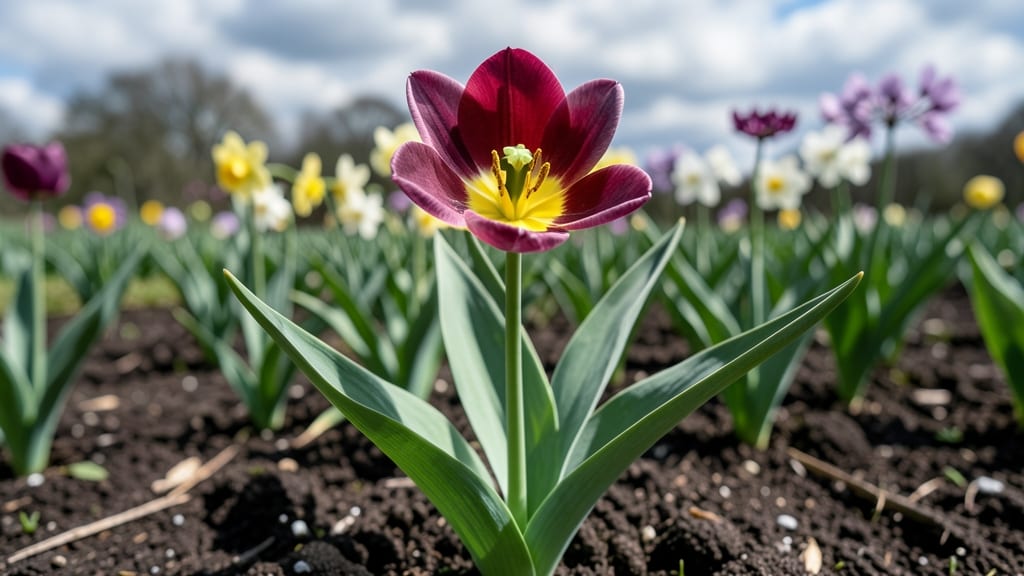
Your full bloom tulips could bloom twice a year with the right sunlight secrets. 🌸 Last spring, I watched my garden transform from winter brown to a sea of purple when I finally cracked the rebloom code—no fancy tricks, just timing and light.
The key is planting them deep enough (6 inches) and giving them 6-8 hours of morning sun—afternoon shade helps prevent wilting. In warmer zones like mine (Zone 7), they’ll often rebloom in late summer if you deadhead spent blooms and keep the soil moist but not soggy.
By late June, you’ll see those familiar buds pushing through again, as if spring came early. The second bloom won’t be as dramatic, but it extends your color show by 4-6 weeks—enough to bridge the gap to fall mums.
Works best in climates with distinct seasons, but even in mild winters, the technique keeps tulips blooming longer than store-bought bouquets. Here’s how to make it happen!
📚 In This Guide
- What you need
- Instructions
- Tips and common mistakes
- Wrapping up and next steps
What you need
- ● Tulip bulbs: Darwin Hybrid or species tulips (e.g., Tulipa fosteriana or Tulipa greigii) – 10–20 bulbs (more for bigger displays). Choose healthy, firm bulbs (size 12–15 cm in diameter).
- ● Well-draining soil: Mix of 50% garden soil, 30% compost, and 20% perlite/sand (for aeration). Avoid clay-heavy soil!
- ● Sunlight: 6+ hours of direct sun daily (south- or west-facing spots are ideal).
- ● Watering can or hose: With a gentle spray nozzle (bulbs hate soggy roots!).
- ● Balanced fertilizer: 5-10-10 NPK ratio (apply 2 tbsp per bulb at planting and again in spring).
- ● Mulch: 2–3 inches of straw or shredded bark (to retain moisture and insulate roots).
- ● Garden trowel or bulb planter (for precise planting depth: 6–8 inches deep).
- ● Gloves (to protect hands from soil and sharp bulb edges).
- ● pH test kit (ideal soil pH: 6.0–7.0; amend with lime or sulfur if needed).
- ● Pruners or sharp scissors (for deadheading spent blooms after rebloom).
- ○ Optional but helpful: Slow-release fertilizer granules (e.g., Osmocote for 3–4 months of nutrients).
- ● Soil moisture meter (to avoid over/under-watering).
- ● Plant support stakes (if tulips grow taller than 24 inches).
- ● Frost cloth (for early spring protection in cold climates).
Step-by-step guide to forcing tulips for year-round blooms
Here’s how to coax tulips into reblooming like clockwork—no fancy tricks, just sunlight and patience.
🌱 Step 1: Select and Prepare Healthy Bulbs
Pick dormant tulip bulbs from last season’s garden—choose the largest, firmest ones with no soft spots or mold. I always dig them up after foliage yellows but before it dies back completely. Store them in a cool, dry place (around 50-60°F) until you’re ready to force them.
Before planting, soak the bulbs in lukewarm water for 6-12 hours to rehydrate. This jumpstarts root growth and ensures they wake up faster. Don’t skip this—dry bulbs can take weeks longer to bloom. After soaking, let them dry slightly so they don’t rot when planted.
☀️ Step 2: Plant in Well-Draining Containers
Use a 6-inch deep container with drainage holes—terracotta pots work best because they breathe. Fill the bottom with 2-3 inches of gravel or perlite to prevent soggy roots. Add a layer of potting mix (not garden soil) and nestle the bulbs in, leaving their tops exposed.
Plant bulbs 6 inches apart in a single layer, pointed side up. Cover them with 1-2 inches of soil mix, leaving the top third exposed. Water lightly until the soil feels damp but not soggy. The key here is airflow—too much moisture will rot the bulbs before they bloom.
💧 Step 3: Simulate Winter Dormancy
Place the containers in a dark, cool spot (like a garage or basement) where temperatures stay between 35-45°F for 10-12 weeks. This mimics the winter chill tulips need to trigger blooming. I set a reminder to check them weekly—if the soil dries out, mist it lightly, but avoid overwatering.
After 10-12 weeks, you’ll see tiny green shoots poking through the soil. That’s your cue to move them to a brighter spot. If you rush this step, the stems will grow leggy and weak, and the blooms may never open properly.
⏰ Step 4: Move to Bright, Indirect Light
Once shoots appear, transfer the containers to a spot with bright, indirect light (like a north-facing window or under grow lights). Avoid direct sun at first—it can scorch tender new growth. You’ll notice the stems straighten and leaves fill out within 2-3 weeks.
Water sparingly during this phase—just enough to keep the soil lightly moist. Overwatering now can cause the bulbs to rot before they bloom. When the stems reach 4-6 inches tall, you can gradually introduce more light, but keep it indirect until buds form.
🌿 Step 5: Enjoy Blooms and Plan for Next Season
With proper care, your tulips will burst into color in 8-12 weeks after planting. Once they finish blooming, let the foliage die back naturally—this feeds the bulbs for next year’s rebloom. I always fertilize lightly after blooming with a balanced bulb food to encourage stronger growth.
After the leaves turn yellow, dig up the bulbs, let them dry, and store them again in a cool, dark place. Repeat the process the following year for nonstop color. The first rebloom might be smaller, but each season gets better as the bulbs mature.
Tips & tricks for perfect forced tulips
Here's what I learned the hard way after forcing tulips for years—these small tweaks make all the difference between wimpy stems and showstopping blooms.
Bulb Selection Tip: Choose bulbs that are at least 2 inches in diameter—larger bulbs produce bigger, more vibrant blooms. I always inspect for firmness; if a bulb feels soft or has any mold, toss it. The best candidates are the ones that survived last season's garden without issues.
Soaking Strategy: The 6-12 hour soak in lukewarm water is non-negotiable for jumpstarting growth, but don't overdo it. After soaking, let the bulbs air dry for about 30 minutes before planting—this prevents rot while keeping them hydrated. I use a colander to drain excess water, then place them on a paper towel.
Container Depth Matters: Never use shallow containers—they won't provide enough room for root development. A 6-inch deep pot gives bulbs the space they need to establish strong roots before sending up shoots. I've tried 4-inch pots, and the results were always disappointing—weak stems and smaller blooms.
Light Transition Timing: When you see those first green shoots after the 10-12 week cold period, don't rush to move them to bright light. Give them 3-4 days of gradual adjustment by placing them near the window but not directly in sunlight. This prevents shock and encourages sturdy stems.
Pro Tips for Full Bloom Tulip
- Here's what I learned the hard way after forcing tulips for years—these small tweaks make all the difference between ...
- Bulb Selection Tip: Choose bulbs that are at least 2 inches in diameter—larger bulbs produce bigger, more vibrant blo...
- Soaking Strategy: The 6-12 hour soak in lukewarm water is non-negotiable for jumpstarting growth, but don't overdo it...
Frequently asked questions
Got questions about coaxing full bloom tulips to rebloom like clockwork? You’re not alone! Here are answers to the most common queries—from timing tricks to troubleshooting tips—to keep your garden bursting with color all season.
Why won’t my tulips rebloom after the first year?
Most tulips are perennial but need time to regenerate. First-year blooms drain energy—cut spent flowers but leave foliage to photosynthesize for 6+ weeks. If they still skip reblooming, try full sun (6+ hours/day) and well-draining soil. Some varieties (like Darwin Hybrid or Fosteriana) are more reliable rebloomers!
How do I know when tulips are truly in full bloom?
Full bloom means all 6 petals are unfurled and the flower is fully open, often with a slight fragrance. For reblooming, wait until 70-80% of petals are open to cut stems (if harvesting). Over-picking too early can stunt future blooms. Pro tip: Morning is the best time to check—dew keeps petals crisp!
Can I force tulips to rebloom in partial shade?
Partial shade (4-6 hours of sun) may delay or reduce blooms, but it’s not impossible! Prioritize east-facing beds for gentle morning light. If shade is unavoidable, choose shade-tolerant varieties like ‘Queen of Night’ or ‘White Dream’. Mulch with compost to boost soil warmth—reblooming needs consistent 60°F+ temps.
What’s the best way to revive tulips that look wilted or leggy?
Leggy stems or wilting blooms often mean nutrient deficiency or overcrowding. Trim spent blooms but leave foliage until yellow. Feed with a balanced 10-10-10 fertilizer in early spring, then again after blooming. For leggy stems, stake them gently or replant bulbs 6 inches deep in loose, sandy soil to encourage sturdy growth.
Are there tulip alternatives that rebloom every year without fail?
If tulips are finicky, try these low-maintenance rebloomers:
- Daffodils (Narcissus): Nearly foolproof—thrive in shade, deer-resistant, and bloom reliably.
- Alliums: Globe-shaped blooms (like ‘Purple Sensation’) rebloom yearly with minimal care.
- Daylilies (Hemerocallis): Technically perennials, but some varieties (like ‘Stella de Oro’) produce dozens of blooms per season.
For tulip-like drama, ‘Tulipa clusiana’ (Lady tulips) often rebloom with minimal fuss!
Wrapping up and next steps
Watching your tulips reach full bloom again and again is a rewarding experience that brings endless joy to your garden! 🌸 With the right sunlight exposure, soil care, and a few extra tricks—like chilling and fertilizing—you can unlock the secret to nonstop color year after year.
Don’t let challenges like deer or weather hold you back; adapt and enjoy the process!
Now that you’re armed with the knowledge, take action! Start by assessing your garden’s sunlight this week, and experiment with a few tulips in containers for easier control.
Before you know it, you’ll be the neighbor with the most vibrant, reblooming tulips—and maybe even inspire others to join the fun! 🌿