
Blooming
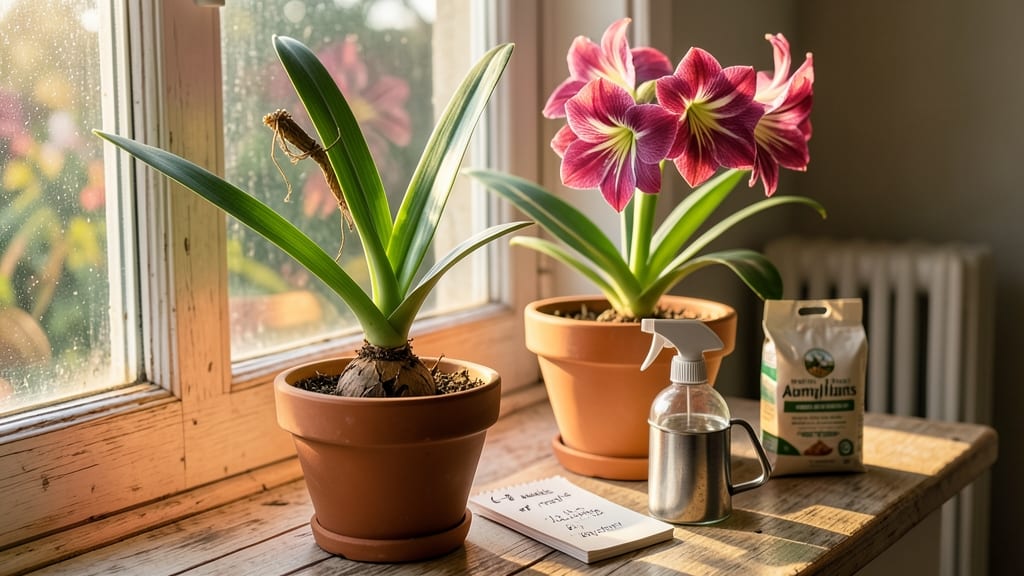
Your amaryllis refuses to bloom again—and it’s not your fault. 🌱 The problem isn’t the plant itself, but how we treat it after that first stunning show. Most gardeners overwater, ignore dormancy, or keep them in dim corners, all of which kill reblooming chances faster than you’d think.
Here’s the game-changer: light exposure and rest periods are the real secret. Amaryllis need 6-8 hours of bright, indirect light daily (a south-facing window or grow light works best), and they must enter a 6-8 week dormancy after blooming—even if you’re still loving those leaves.
Skipping this step is why your plant looks healthy but never flowers again.
By adjusting your care routine, you’ll see buds forming in 8-12 weeks. The key is patience: reduce watering, let the soil dry slightly, and watch as the plant stores energy for next season’s spectacular blooms. No more guessing—just proven results.
Works for both indoor plants and those in cooler climates (yes, even with winter windowsills). Let’s fix this once and for all—your amaryllis deserves to shine again.
📚 In This Guide
- What you need
- Instructions
- Tips and common mistakes
- Wrapping up and next steps
What you need
- ● Healthy amaryllis bulb: A bulb that’s been dormant or finished blooming (no signs of rot or mold).
- ● Well-draining potting mix: A blend of cactus/succulent mix (60%) + perlite or pumice (40%) to prevent soggy roots. Quantity: Enough to fill a pot 2–3 inches wider than the bulb’s diameter.
- ○ Pot with drainage holes: Terracotta or ceramic pot (6–8 inches in diameter for most bulbs). Optional: A cache pot (decorative outer pot) if you prefer a polished look.
- ● Watering can or spray bottle: For gentle hydration—avoid soaking the bulb.
- ● Bright, indirect light source: South-facing window, grow lights (12–14 hours/day), or a sunny spot (avoid harsh midday sun).
- ● Fertilizer: Balanced liquid fertilizer (10-10-10 or 20-20-20), diluted to half-strength. Quantity: 1–2 tbsp per gallon of water.
- ○ Thermometer (optional but helpful): To monitor temperature swings (ideal range: 65–75°F during growth).
- ● Grow lights: LED or fluorescent bulbs (5000–6500K color temperature) for consistent light in low-light areas.
- ● Humidity tray: A pebble tray with water to boost humidity (especially in dry climates).
- ● Bulb food: Slow-release granules (like Osmocote) mixed into the soil for a nutrient boost.
- ● Pruning shears: For trimming dead foliage or spent flower stems cleanly.
- ● Journal/notebook: To track watering, light exposure, and blooming cycles (trust us, it’s a game-changer!).
How to get amaryllis to bloom again: light triggers and care hacks
Here's the proven method I use to coax dramatic, repeat blooms from stubborn amaryllis bulbs.
☀️ Step 1: Mimic Winter Dormancy with Light Deprivation
After blooming, your amaryllis needs a 6-8 week rest period to rebuild energy. Move the bulb to a cool (55-65°F), dark location—a closet or basement works perfectly. No light means no growth, which forces the bulb to conserve resources for next year's flowers. I cover my bulb with a paper bag to block even stray light, then check it weekly to ensure no accidental sprouting.
This is the critical trigger—skipping dormancy means weak, sparse blooms or no flowers at all. The bulb must experience complete darkness during this period. If you notice any green shoots emerging before 6 weeks, return it to darkness immediately. You'll see the first sign of readiness when the top of the bulb begins to pucker slightly—this indicates it's storing energy for future growth.
🌱 Step 2: Resume Growth with Precise Light and Temperature
After the dormancy period, bring your amaryllis back to bright, indirect light (a east-facing window is ideal). Avoid direct afternoon sun, which can scorch the leaves. Place the bulb in a 65-75°F environment and water sparingly—only when the top 2 inches of soil feel dry. Overwatering now will drown the emerging roots before they can establish.
Here's where most people fail: patience. Don't rush the process by fertilizing immediately. Wait until you see new leaf growth (about 2-3 weeks after removing dormancy) before applying a balanced 10-10-10 fertilizer at half strength. The bulb needs time to transition from dormancy to active growth without stress. You'll know you're on track when the leaves emerge straight and firm, not limp or yellowing.
💧 Step 3: Feed and Hydrate for Flower Bud Formation
Once leaves reach 4-6 inches tall, begin fertilizing every 2 weeks with a phosphorus-rich fertilizer (like 5-10-5). Phosphorus promotes flower development—the key to getting those dramatic blooms back. Water deeply every 7-10 days, ensuring water reaches the roots but never pooling at the base. Amaryllis bulbs rot easily when overwatered, so always check the soil before watering.
Watch for flower stalks emerging from the center of the bulb—this usually happens 8-12 weeks after breaking dormancy. If no stalk appears after 12 weeks, increase light exposure (move to a south-facing window or supplement with a grow light) and reduce water slightly. The stalk should grow 12-18 inches tall before blooming, so support it with a small stake if needed. Once buds form, reduce water slightly again to prevent them from splitting open prematurely.
✂️ Step 4: Deadhead and Care for Next Year's Blooms
After blooming, cut the flower stalk at the base but leave the leaves intact—they photosynthesize and feed the bulb for next year. Remove dead flowers immediately to redirect the bulb's energy toward leaf growth. Continue fertilizing every 2 weeks until leaves yellow and die back naturally (usually late summer or early fall). This signals the bulb is ready for another dormancy cycle.
Real talk: Amaryllis blooms fade over time, but with this method, you'll get 3-5 years of reliable blooms from a single bulb. The key is consistency—never skip dormancy, and always prioritize leaf health over flowers. If your bulb produces multiple stalks, cut all but the strongest one to ensure the plant puts energy into one spectacular display rather than several weak ones.
Tips & tricks for reviving amaryllis blooms
Between us, the secret to repeat amaryllis blooms isn't just following the steps—it's understanding the subtle cues your plant gives. Here's what I've learned after years of trial and error.
Darkness Detection: The 6-8 week dormancy period is non-negotiable, but here's the trick: use a light meter or simply check weekly with a flashlight. Even a tiny crack in your paper bag can let in enough light to trick the bulb into thinking it's time to grow. I've seen bulbs start sprouting after just 3 weeks when exposed to indirect kitchen light—return them to complete darkness immediately if this happens. The puckering you'll notice at the bulb's top is your first visual confirmation it's storing energy properly.
Temperature Transition: When moving your bulb from dormancy back to growth, the 65-75°F range is critical—but don't just set it anywhere. Place it near a window where you can monitor the temperature daily. If your home runs cooler, consider a small space heater (set to low) near the plant during the 2-3 week adjustment period. The sudden warmth shock can help kickstart leaf growth more quickly, but avoid placing it near vents or drafts which can cause uneven stress.
Fertilizer Timing: The instructions mention waiting for new leaf growth before fertilizing, but here's the real secret: the leaves should be at least 2 inches tall before you apply that first dose of 10-10-10. I've seen people fertilize too early and end up with yellowing leaves that never recover. Once you start, stick to the every-2-week schedule religiously—skipping even one feeding can delay blooming by weeks. For maximum results, use a liquid fertilizer you can see mixing into the water, so you know exactly how much you're applying.
Flower Stalk Support: When those 12-18 inch stalks start emerging, most people panic about how to support them. My solution? Use a small wooden skewer or chopstick inserted gently into the soil next to the stalk, then loosely tie the stalk to it with a piece of soft twine. This gives just enough support without restricting the stalk's natural movement. The key is to do this early—once the stalk is fully upright, it's too late to add support without risking damage.
Pro Tips for How Do I Get My Amaryllis To Bloom Again
- Between us, the secret to repeat amaryllis blooms isn't just following the steps—it's understanding the subtle cues y...
- Darkness Detection: The 6-8 week dormancy period is non-negotiable, but here's the trick: use a light meter or simply...
- Temperature Transition: When moving your bulb from dormancy back to growth, the 65-75°F range is critical—but don't j...
Frequently asked questions
Got questions about reviving your amaryllis and coaxing those stunning blooms back? You’re not alone! Here are some of the most common concerns—plus quick, actionable answers to get your plant back on track.
Why won’t my amaryllis bloom after the first time?
Amaryllis bulbs often bloom once, then need a rest period (6-8 weeks of dormancy) to recharge. Without this break, they focus energy on foliage instead of flowers. Pro tip: After blooming, reduce watering and move to a cooler spot (60-65°F) to trigger dormancy. No rest? No blooms!
How long does it take for an amaryllis to bloom again after dormancy?
With proper care, you’ll see buds forming in 6-10 weeks after ending dormancy. Start by repotting in fresh soil, then place in bright, indirect light. Keep soil lightly moist (not soggy) and watch for a flower stalk emerging from the center—patience is key!
Can I force an amaryllis to bloom out of season?
Yes! Use light triggers to manipulate blooming. Place your bulb in a cool, dark spot for 6-8 weeks (dormancy), then move to a warm (70°F+) area with 12+ hours of light daily. A grow light works if natural light is weak. Timing tip: Start this process in early fall for holiday blooms!
My amaryllis has yellow leaves—will it still bloom?
Yellow leaves usually mean overwatering, poor drainage, or nutrient loss. Trim dead leaves but leave healthy ones—they feed the bulb! Adjust care: water only when the top inch of soil is dry, and repot if roots are crowded. Good news: A healthy bulb can still bloom, even with a few yellow leaves!
Should I cut the flower stalk after blooming?
Yes! Cut the stalk 1-2 inches above the bulb once flowers fade to redirect energy to the bulb. But save the seeds! If you want more bulbs, let a few flowers mature—seeds can grow into new plants in 1-2 years. Wait until foliage yellows before trimming leaves entirely.
What if my amaryllis only grows leaves and no flowers?
This is often due to lack of dormancy, weak light, or over-fertilizing. Try this: Stop fertilizing for 2 months, move to a sunny window, and ensure 6 weeks of dormancy. Bonus hack: A slight chill (50-60°F) for 2 weeks can also trigger blooming!
Wrapping up and next steps
Getting your amaryllis to bloom again is all about patience, consistency, and a little plant magic! 🌱 By mastering the light triggers—like 12+ hours of sunlight or a cool, dark resting phase—you’ve set the stage for stunning flowers.
Don’t forget to adjust care (water, soil, and nutrients) based on its growth cycle, and troubleshoot gently if issues arise.
You’ve got this! 💪 Next, watch your plant closely—those first signs of a bud mean you’re on the right track. Now, go enjoy the show and maybe even share your success with fellow plant lovers!