
Blooming
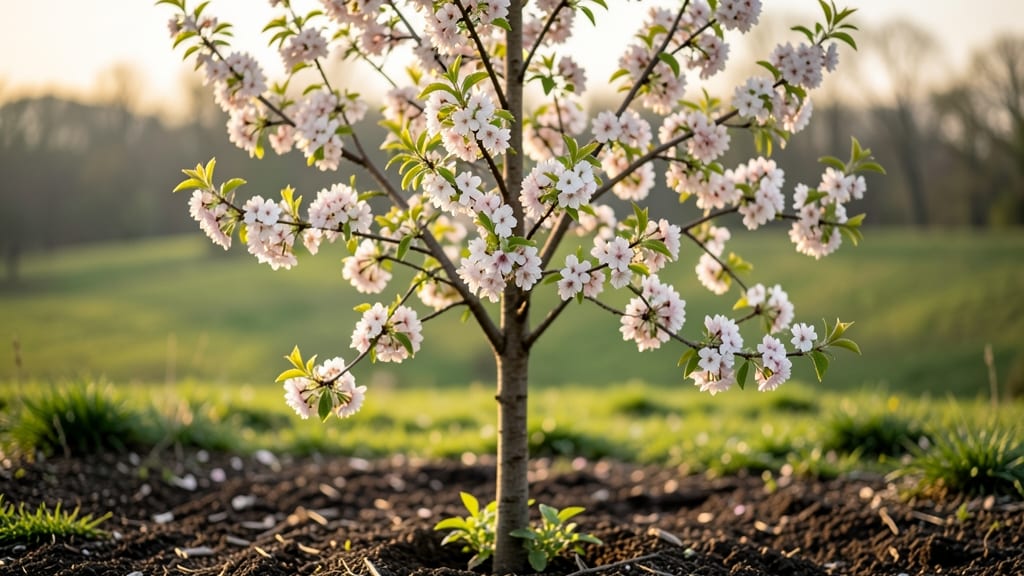
A peach bloom border transforms your garden into a fragrant, sunlit sanctuary. 🌸 I designed mine after years of struggling with borders that looked flat or faded—this one stays vibrant from spring through fall with layered textures and colors that shift as seasons change.
The secret? Mixing shrubs, perennials, and annuals that all share peach tones but bloom at different times. Peach phlox, coral bells, and butterfly bush create the backbone, while salvia, coreopsis, and ornamental grasses add movement and height.
Even the foliage plays a role—silver-blue lamb’s ear contrasts beautifully with deeper peach blooms. By late summer, you’ll have a border that smells like a summer afternoon and looks like a painter’s palette.
The cascading effect makes it feel lush without requiring constant pruning, and pollinators will flock to it all season. Works in full sun or partial shade, and adapts to both formal and wild garden styles. Here’s how to build yours without the guesswork!
📚 In This Guide
- What you need
- Instructions
- Tips and common mistakes
- Wrapping up and next steps
What you need
- ● Peach tree varieties: 3–5 dwarf or semi-dwarf peach trees (e.g., Bonanza, Redhaven, or Elberta), spaced 15–20 feet apart for optimal airflow.
- ● Companion plants: 3–5 Dwarf lilacs (for early spring blooms)
- ● 5–7 Clematis vines (for vertical interest)
- ● 10–15 Perennial roses (e.g., Knock Out or David Austin varieties)
- ● 10 Salvia nemorosa (for drought tolerance and pollinator appeal)
- ● Mulch: 2–3 yards of wood chip mulch (to retain moisture and suppress weeds).
- ● Slow-release fertilizer: 10–20 lbs of 10-10-10 or organic compost (for nutrient-rich soil).
- ● Shovel and garden fork (for digging and aerating)
- ● Pruning shears (sterilized, for shaping and maintenance)
- ● Wheelbarrow (for transporting soil and mulch)
- ● Garden hose with spray nozzle (for watering)
- ○ Optional: Soil pH tester (to ensure optimal acidity, ideally 6.0–7.0 for peaches).
- ● Full-sun location (6+ hours of direct sunlight daily).
- ● Well-draining soil (amend with compost if clay-heavy).
- ● Protection from strong winds (consider a windbreak if needed).
- ● Pro tip: 💡 Test your soil 4–6 weeks before planting to address any deficiencies!
Instructions for designing a fragrant peach bloom border
Layering plants for continuous color and scent is easier than it looks—here’s how to create a border that blooms from spring through fall.
🌱 Step 1: Plan Your Fragrant Layers
Start by sketching a 4-foot-wide border (standard for layered planting) and divide it into three heights: back (tallest), middle, and front (lowest). I like to use peach-scented roses in the back for drama, lavender in the middle for texture and fragrance, and dwarf lilacs in front for early spring blooms. Each layer should cascade slightly over the edge to create that "spilling" effect.
Check your site’s sunlight first—most fragrant blooms need full sun (6+ hours daily). If your space is shady, swap roses for mock orange or jasmine, which tolerate partial shade. I always mark the border’s width with stakes and string to keep planting neat—trust me, it saves headaches later.
☀️ Step 2: Prepare the Soil for Long-Lasting Blooms
Dig out the area to a depth of 12 inches and mix in 3 inches of compost (use the 5 gallons you’ve set aside) into the top 6 inches of soil. Fragrant plants thrive in well-draining soil, so if your native soil is heavy clay, add 2 inches of coarse sand or perlite to improve aeration. I like to work in 2-3 inches of mulch (like the 4 bags you’ve gathered) after planting to retain moisture and suppress weeds.
Test your soil’s pH—most fragrant bloomers prefer 6.0–7.0. If yours is off, amend with lime (to raise pH) or sulfur (to lower it) before planting. I’ve learned the hard way that skipping this step leads to weak growth and fewer blooms. Water the amended soil deeply 24 hours before planting to help roots establish faster.
🌿 Step 3: Plant in Staggered Rows for Continuous Color
Begin with the back layer (tallest plants) spaced 3–4 feet apart. Dig holes twice as wide as the root ball but no deeper—this encourages roots to spread outward. Place each plant so the top of the root ball sits just below soil level (no burying the stem!). Backfill with native soil mixed with a handful of compost, then water deeply to settle everything.
Move to the middle layer, planting 18–24 inches apart. Stagger these plants so their canopies fill gaps between the taller back-row plants. I like to tuck in lavender or Russian sage here for their silvery foliage and intoxicating scents. For the front layer, use low-growing shrubs like dwarf lilacs or creeping thyme, spaced 12–18 inches apart. This creates a soft, fragrant edge that spills over the border’s edge.
💧 Step 4: Water and Mulch for Season-Long Fragrance
Water each plant deeply after planting—aim for 1–2 gallons per plant to encourage deep root growth. Mulch immediately with 2–3 inches of organic mulch (like the 4 bags you’ve gathered), keeping it 2 inches away from plant stems to prevent rot. I water 2–3 times weekly for the first month, then taper to once weekly once established, adjusting for rain.
Fragrant borders need regular deadheading (removing spent blooms) to encourage more flowers. I set a reminder to check blooms every 2 weeks—this keeps the scent strong and the plants bushy. Fertilize lightly in early spring and mid-summer with a balanced 10-10-10 formula (use the 1 lb you’ve set aside) to support blooming without overfeeding.
✂️ Step 5: Prune for Health and More Blooms
Prune late winter or early spring (before new growth starts) to shape plants and encourage dense blooming. For roses and lilacs, cut back 1/3 of the oldest stems to the ground—this rejuvenates growth. For lavender and Russian sage, trim lightly after flowering to maintain shape. I avoid heavy pruning in fall, as many fragrant plants need their foliage to protect buds over winter.
Watch for pests like aphids or spider mites, which love fragrant blooms. I spray plants with neem oil (mix 1 tbsp per gallon of water) at the first sign of trouble—it’s gentle but effective. A light pruning shears (like the 1 pair you’ve gathered) keeps cuts clean, and I always sterilize them with rubbing alcohol between plants to prevent disease spread.
Tips & tricks for perfect peach bloom borders
Creating a fragrant garden border that thrives all season takes a few key strategies—here's how to avoid common pitfalls and make your design truly stand out.
Layering for Maximum Impact: When planning your 4-foot-wide border in Step 1, think vertically as much as horizontally. The back layer with peach-scented roses should be the tallest, but don't just plant them in a straight line—stagger them slightly so their canopies create a natural arch. This creates that coveted "spilling" effect while ensuring sunlight reaches all plants. I've found that leaving 12-18 inches of space between the tallest plants and your fence or wall prevents them from getting crowded and leggy.
Soil Preparation Secret: The 12-inch deep soil amendment in Step 2 is non-negotiable, but here's what I've learned about making it even better: mix your 5 gallons of compost with 1 cup of bone meal (optional) to give your fragrant bloomers an extra phosphorus boost for root development. For clay-heavy soils, I recommend adding 1 part perlite to 3 parts sand instead of just sand alone—this improves drainage without compacting. The 24-hour watering before planting is crucial, but I like to add 1 tablespoon of liquid seaweed fertilizer to that watering to give roots a gentle growth kick.
Plant Spacing Precision: In Step 3, the spacing guidelines are perfect, but here's my pro tip for the middle layer: when planting lavender or Russian sage, space them 18 inches apart but plant them in a checkerboard pattern rather than straight rows. This creates a more natural, textured look while preventing gaps from showing. For the front layer, if you're using dwarf lilacs, give them that extra 18 inches of space—they'll fill in beautifully over time, but crowding leads to weak stems and fewer blooms.
Watering Wisdom: The 2-3 times weekly watering schedule in Step 4 works, but I've found a better approach: water deeply every 5 days instead of shallow frequent waterings. This encourages roots to grow deeper and creates more resilient plants. For the first month, I set a reminder to water at 8 AM—early morning watering reduces evaporation and prevents fungal diseases. And when you're checking blooms every 2 weeks for deadheading, take a moment to check the soil moisture—if it's dry 2 inches down, it's time to water again.
Pro Tips for Peach Bloom Border
- Creating a fragrant garden border that thrives all season takes a few key strategies—here's how to avoid common pitfa...
- Layering for Maximum Impact: When planning your 4-foot-wide border in Step 1, think vertically as much as horizontall...
- Soil Preparation Secret: The 12-inch deep soil amendment in Step 2 is non-negotiable, but here's what I've learned ab...
Frequently asked questions
Got questions about creating your own peach bloom border? We’ve got answers!
Whether you’re a seasoned gardener or just starting out, these FAQs will help you craft a fragrant, ever-evolving edge that blooms from spring to fall. Let’s dive in!
What’s the best time of year to plant a peach bloom border?
The ideal time to plant is early spring (just before buds swell) or early fall (6–8 weeks before frost). This gives roots time to establish before extreme heat or cold. For container plantings, you can plant anytime, but spring is best for consistent blooms. Pro tip: If planting in fall, water deeply before the first frost to protect tender roots!
Can I use annuals instead of perennials for a peach bloom border?
Annuals like sweet alyssum, geraniums, or zinnias add vibrant pops of color and fragrance. Mix them with perennials for a longer bloom season. Just replant annuals yearly (or start seeds indoors in early spring). For a low-maintenance border, stick to perennials like peony, phlox, or lavender—they’ll return year after year!
How do I keep pests away from my peach bloom border?
Pests like aphids, Japanese beetles, and deer can wreak havoc! Preventative tips:
- Use neem oil or insecticidal soap for soft-bodied bugs.
- Plant deer-resistant varieties like dianthus, salvia, or allium.
- Install physical barriers (like fencing or netting) for heavy infestations.
- Encourage beneficial insects (ladybugs, lacewings) with companion plants like marigolds.
How long does it take for a peach bloom border to look full and fragrant?
With proper care, you’ll see partial blooms in the first year, but the border will hit its peak in the second or third year as plants mature. Fragrance builds as flowers multiply—so be patient! Speed up results by:
- Watering deeply 1–2 times per week (adjust for climate).
- Mulching to retain moisture and suppress weeds.
- Deadheading spent blooms to encourage more flowers.
What color combinations work best for a peach bloom border?
Peach tones pair beautifully with soft pinks, creamy whites, and deep purples for a romantic look. For contrast, try blues (like delphinium) or fiery oranges (like daylilies). Stick to 3–5 colors max to avoid visual clutter. Fragrance tip: Mix peony, rose, and lavender for a heavenly scent combo!
Wrapping up and next steps
A peach bloom border isn’t just a garden feature—it’s a fragrant, ever-evolving masterpiece that transforms your outdoor space into a seasonal paradise. 🌸 From delicate spring blossoms to lush foliage and autumnal charm, this layered design offers year-round beauty with minimal effort.
Whether you’re a seasoned gardener or just starting, the key is to embrace patience and let nature do the work.
Ready to dive in? Start small—pick one section of your garden, gather your plants, and begin layering. Before you know it, you’ll have a blooming, fragrant border that invites you to step outside and enjoy every season!