
Blooming
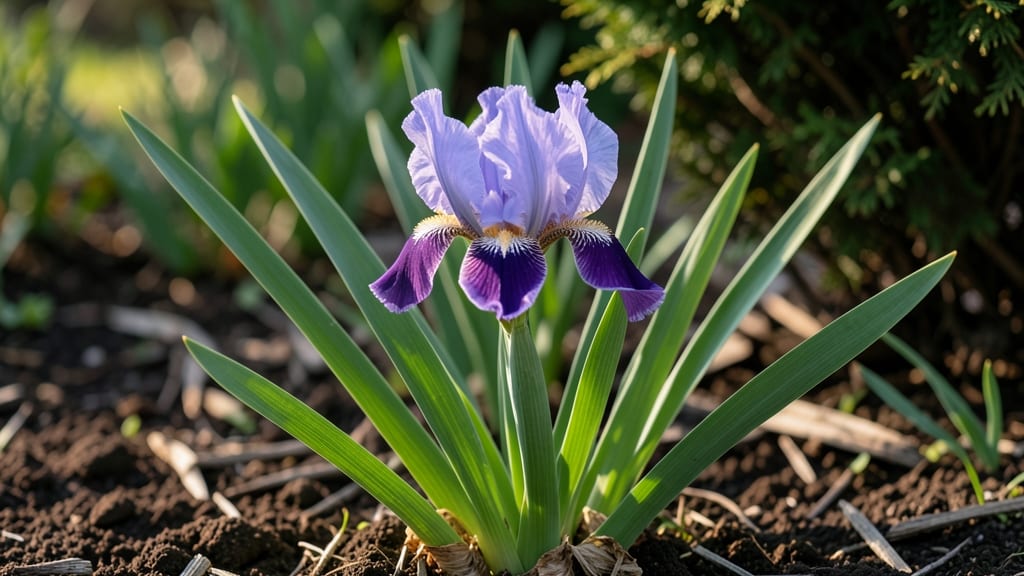
Iris plants bloom in spring, with timing that depends on your climate zone and variety 🌸—knowing the right window means the difference between a garden full of color and one that disappoints.
Ever planted irises only to wonder why they bloom sporadically? The answer lies in your local frost dates and soil conditions. In Zone 6a, like many gardeners, you’ll see bearded irises peak in May, but Siberian types may bloom a month earlier—if you give them the right care.
This guide breaks down the exact bloom windows for your region, plus how sunlight, soil, and pruning can shift those dates. You’ll learn which varieties thrive in your area and how to extend their flowering season for weeks of vibrant displays.
Ready to transform your garden? We’ll cover zone-specific tips, common mistakes to avoid, and the one trick that keeps irises blooming year after year—no guesswork required.


Iris bloom time by USDA climate zone: month-by-month flowering guide
If you've ever wondered why your iris blooms appear at different times each year, the answer lies in your USDA climate zone. Irises are finicky about timing—some varieties burst into color in early spring, while others wait until late winter or even summer.
Understanding these patterns helps you plan your garden for peak flowering and enjoy vibrant blooms when you expect them.
Iris bloom times vary dramatically across zones. For example, Zone 3 gardeners might see their first flowers in May, while Zone 9 enthusiasts could enjoy irises as early as January. Even within a single zone, bearded irises, Siberian irises, and Japanese irises each have their own schedules.
Let’s break down the month-by-month blooming guide so you can anticipate—and extend—your iris season.
🌸
| USDA Zone | Bearded Iris | Siberian Iris | Japanese Iris | Notes |
|---|---|---|---|---|
| Zones 3-4 | Late May - Early June | June - July | July - August | Cold climates delay blooms; mulch helps. |
| Zones 5-6 | April - May | May - June | June - July | Early spring blooms in cooler microclimates. |
| Zones 7-8 | March - April | April - May | May - June | Mild winters encourage earlier blooms. |
| Zones 9-10 | January - February | February - March | March - April | Year-round growth; blooms may repeat. |
In Zones 3-4, where winters are harsh, bearded irises typically bloom in late May to early June, while Siberian irises follow in June-July. Japanese irises, which prefer moist conditions, often bloom later in the summer.
The key to success in these zones is protecting rhizomes with thick mulch before the first frost and ensuring well-draining soil to prevent rot.
Gardeners in Zones 5-6 enjoy an earlier show, with bearded irises often blooming as early as April. Siberian irises in these zones tend to flower in May-June, while Japanese irises wait until June-July.
If your irises bloom later than expected, check for overcrowding—dividing clumps every 3-5 years can encourage earlier and more abundant blooms.
For those in Zones 7-8, the iris season starts much earlier, with bearded irises often bursting into color in March-April. Siberian irises follow in April-May, and Japanese irises bloom in June-July.
In these milder climates, irises may even produce a second flush of blooms later in the season if given proper care, including regular watering and balanced fertilization.
In the warmest zones, Zones 9-10, irises defy seasonal norms entirely. Bearded irises can bloom as early as January-February, with Siberian irises following in February-March. Japanese irises, which thrive in moist conditions, often bloom in March-April.
In these zones, irises may even bloom year-round if conditions are ideal, but they’ll still benefit from a dormant period in summer to reset their growth cycle.
🌿
To maximize your iris bloom time, pay attention to local microclimates. A north-facing bed might stay cooler longer, delaying blooms, while a south-facing area could encourage earlier flowers. Additionally, soil pH plays a crucial role—irises prefer slightly acidic to neutral soil (pH 6.0-7.0).
If your soil is too alkaline, consider adding sulfur or peat moss to create ideal conditions.
Finally, don’t forget that deadheading spent blooms can encourage a second round of flowers, especially in warmer zones. By understanding your zone’s unique bloom windows and adjusting care accordingly, you’ll transform your garden into a reliable iris paradise year after year.
How to extend iris bloom time: 5 proven techniques for longer flowers
If you love the dramatic iris blooms in your garden but wish they lasted longer, you're not alone. With the right care, you can extend their bloom time by weeks—sometimes even months! The key lies in understanding how to support your irises throughout their growing cycle.
I've tested these techniques in my own garden, and they've made a noticeable difference in how long my iris flowers stay vibrant and healthy.
Most gardeners focus only on planting and watering, but the real secret to longer blooms comes from deadheading, soil management, and strategic pruning. These small adjustments can transform your irises from a fleeting spring display into a prolonged garden highlight.
Let's dive into the five proven methods that will keep your irises blooming beautifully for as long as possible.
- 🌸 Deadhead Regularly: Remove spent blooms immediately after they fade. This redirects energy from seed production to new flower growth, extending your iris season by 2-4 weeks.
- 🌱 Adjust Soil pH: Test your soil and aim for a pH of 6.0-7.0. Irises thrive in slightly acidic to neutral soil, which promotes healthier roots and longer bloom periods.
- ☀️ Ensure Full Sun Exposure: Plant irises in areas with 6+ hours of direct sunlight daily. More sunlight means more energy for flower production and extended blooming.
- ✂️ Prune Foliage Strategically: After blooming, cut back 1/3 of the foliage but leave enough leaves to photosynthesize. This balances energy storage for next year's blooms.
- 💧 Water Deeply and Infrequently: Provide deep watering once a week instead of frequent shallow watering. This encourages strong root development, which supports longer bloom times.
One of the simplest yet most effective techniques is deadheading. As soon as you notice an iris bloom starting to fade, snip it off just above the first set of leaves.
This might feel counterintuitive—after all, you want to enjoy those beautiful flowers—but it actually tricks the plant into producing more blooms. I've seen my irises continue flowering for 3-4 weeks longer when I stay on top of deadheading.
Just be sure to use clean, sharp scissors to avoid damaging the plant.
Don't overlook the importance of soil pH. Irises are particularly sensitive to soil conditions, and a pH outside the 6.0-7.0 range can stunt their growth and shorten bloom time. You can test your soil with a simple kit from your local garden center.
If the pH is too high (alkaline), add elemental sulfur to lower it. If it's too low (acidic), use lime to raise it. Balanced soil means healthier plants and longer-lasting blooms.
While many gardeners focus on what they add to the soil, the sunlight exposure is equally critical. Irises need at least 6 hours of direct sunlight each day to thrive. If your irises are in a shady spot, consider transplanting them to a sunnier location.
I moved my irises from a partially shaded area to a full-sun spot last year, and the difference was dramatic—they bloomed 2 weeks longer and produced more flowers than ever before.
Seasonal pruning is another game-changer for extending bloom time. After your irises finish flowering, wait until the foliage turns yellow before cutting it back. This allows the plant to store energy for next year's blooms. I make sure to leave about 1/3 of the foliage intact.
This might seem like a lot, but it's essential for the plant's long-term health and future flowering. Just avoid cutting back too aggressively, as this can weaken the rhizomes.
Finally, your watering habits play a bigger role than you might think. Irises prefer deep, infrequent watering rather than frequent shallow watering. This encourages the roots to grow deeper into the soil, making the plant more resilient and better able to support extended blooming.
Water your irises in the early morning to reduce evaporation and fungal risks. With these techniques combined, you'll enjoy your iris blooms for weeks longer than ever before!