
Blooming
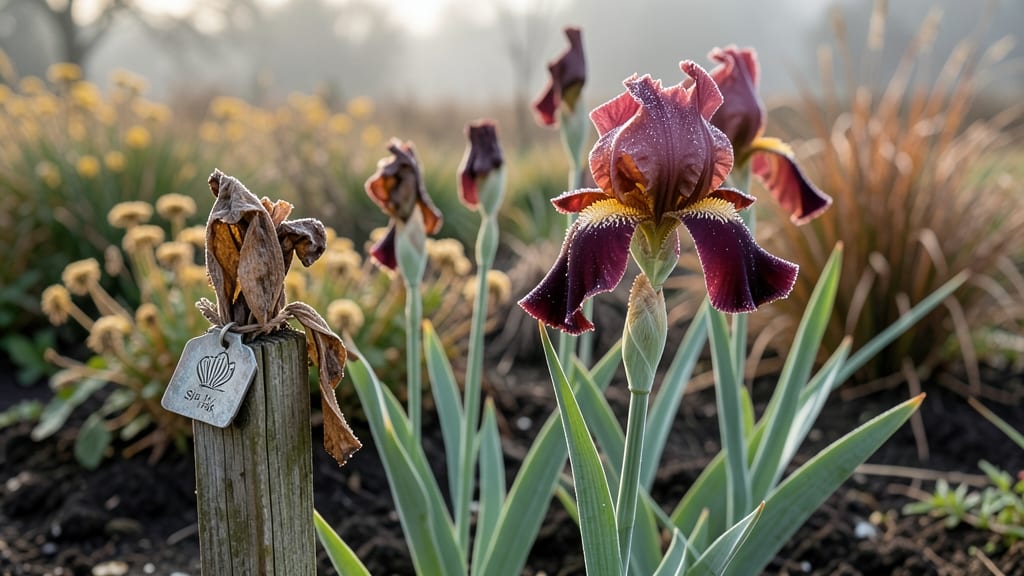
Fall-blooming irises are rare but possible with cold-hardy varieties like Siberian, Japanese, or Louisiana irises, which thrive in mild autumn climates or when planted late in the season.
While most irises follow the spring bloom cycle, certain varieties break the mold by responding to cooler temperatures and shorter daylight hours. 🌿 These late-season bloomers often emerge in regions with extended growing seasons or when planted after summer's heat subsides.
Siberian irises, for example, can produce vibrant flowers in fall if given consistent moisture and protection from early frosts. The key lies in their genetic adaptation to temperature shifts—unlike spring-bloomers that rely on warmth, these varieties trigger flowering when nights grow crisp.
For gardeners in USDA zones 5-8, fall-blooming irises offer a stunning second show, especially when paired with complementary perennials like asters or sedum. Just remember: timing matters—planting in late summer gives roots time to establish before winter, while well-drained soil prevents rot during wet autumns.
The trade-off? These varieties may produce fewer spring blooms, so balance is key for year-round interest.
💡 In This Article
- Why Some Iris Varieties Flower in Fall
- Best Fall-Blooming Iris Varieties for Your Climate
Why some iris varieties flower in fall
Fall-blooming irises defy convention through a fascinating interplay of photoperiod sensitivity and temperature triggers. Unlike spring-bloomers that rely on warming soil, these varieties respond to shortening daylight hours—a process called day-neutral or short-day flowering.
Siberian irises (Iris sibirica), for instance, trigger blooms when daylight drops below 14 hours, often in late summer to early fall. This adaptation allows them to capitalize on mild autumn temperatures before winter dormancy sets in.
The science gets even more interesting when you consider vernalization—the cold treatment many perennials need to flower. Some fall-blooming irises, like Louisiana irises (Iris brevicaulis), require 6-8 weeks of temperatures between 32-45°F to break dormancy and initiate flower buds.
This explains why they often bloom in late September to October—after a cooling period but before hard frosts. 🌸 The contrast with spring-bloomers (which need warm soil to trigger growth) highlights how these varieties have evolved to exploit different seasonal windows.
Regional climate plays a crucial role in this timing. In USDA zones 6-8, where autumns linger warmer, fall-blooming irises can produce vibrant displays. Take the Japanese iris (Iris ensata), which thrives in humid, temperate climates—its blooms often appear in September-October after summer's heat subsides.
The key difference? Spring irises prioritize energy storage for next year's growth, while fall varieties focus on reproductive success before winter, a survival strategy seen in many woodland perennials.
What most gardeners don't realize is that these fall bloomers often sacrifice some spring flowers. The plant's energy is divided between two bloom cycles instead of one, which is why Siberian irises might produce 30-50% fewer spring blooms than their counterparts.
This trade-off is worth it for the extended seasonal interest, especially when paired with late-summer perennials like black-eyed Susans or Russian sage, which also thrive in autumn.
Soil moisture and sunlight further influence timing. Fall-blooming irises need consistent watering (about 1 inch per week) to support flower development, while too much shade can delay blooming. The ideal spot offers 6+ hours of sunlight daily but with afternoon shade in hot climates.
This balance ensures the plant has enough energy for both foliage growth and flower production.
Consider this: In zone 7 gardens, a Siberian iris planted in late August might produce its first fall blooms by mid-October, while the same variety planted in spring would wait until May.
The difference? Root establishment time—late planting gives the rhizomes just enough time to develop before winter, while spring planting prioritizes spring blooms. 🌿