
Blooming
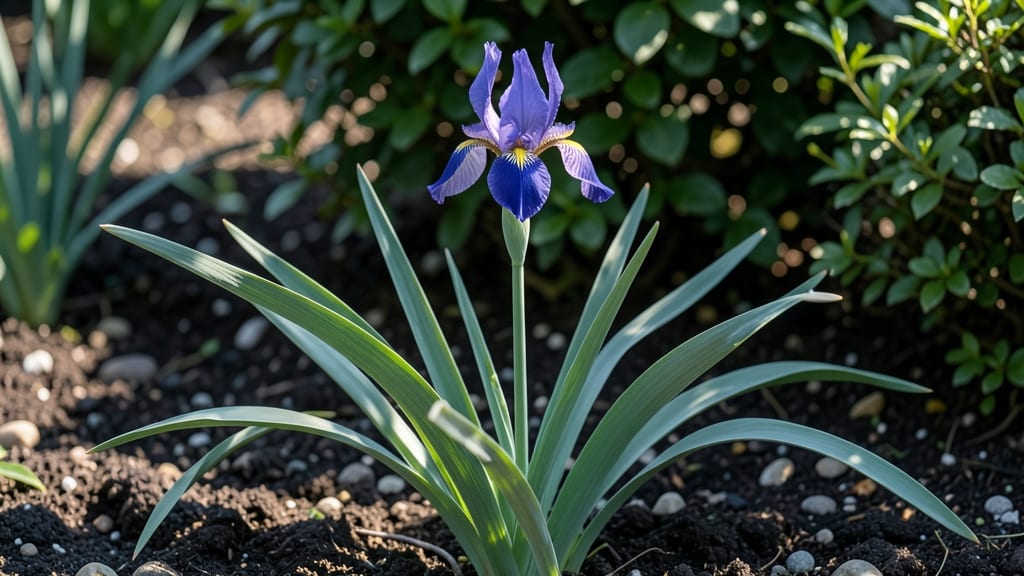
The Siberian iris bloom time in late spring to early summer 🌸 can shift by weeks depending on your zone and growing conditions.
If you’ve ever wondered why your Siberian iris flowers vanish as quickly as they appear—or when to expect their stunning display—timing is everything.
These hardy perennials follow a precise bloom schedule based on your climate and sunlight, and knowing it can mean the difference between a showstopping garden and a missed opportunity.
In USDA Zone 6a, where these beauties thrive, blooms typically arrive in May or June, but cooler springs or partial shade can delay them by weeks. Meanwhile, gardeners in warmer zones might see flowers as early as April, while Pacific Northwest growers could wait until July.
Below, I break down the exact months to expect blooms in your area, how sunlight affects timing, and 5 simple tips to coax longer, more reliable flowers—no guesswork required.
Siberian iris bloom time by USDA hardiness zones: exact months to expect flowers
Siberian iris (Iris sibirica) is one of the most reliable late-spring bloomers, but their exact bloom time shifts dramatically depending on your USDA hardiness zone.
In my Zone 5 garden, they burst into color in early May, while my friend in Zone 8 sees theirs bloom in late March. These differences aren't random—they're tied to winter chill requirements and spring temperature patterns.
The cold winter chill (below 40°F for 6-8 weeks) acts like a biological clock, signaling the plant to bloom. Without sufficient cold, Siberian iris may produce fewer flowers or bloom erratically.
Meanwhile, spring temperatures above 50°F consistently trigger bud development, which is why Pacific Northwest gardens often see earlier blooms than Midwest ones.
Here's how bloom timing varies across zones, including early vs. late bloomers and regional quirks you should know:
| USDA Zone | Typical Bloom Window | Early Bloomers | Late Bloomers | Regional Notes |
|---|---|---|---|---|
| Zones 3-4 | Late May - Early June | 'Caesar's Brother' (May 15) | 'Butter and Sugar' (June 5) | Cold winters delay blooms; needs 8+ weeks below 40°F |
| Zones 5-6 | Early May - Mid-June | 'Honorine Jobert' (May 1) | 'Sheila' (June 10) | Midwest gardens often see 10-day delays vs. Pacific Northwest |
| Zones 7-8 | Late March - Early May | 'Florence' (March 20) | 'Dusky Challenger' (May 5) | Southern California blooms can stretch into July with mild winters |
| Zones 9 | February - April | 'Jacqueline' (Feb 15) | 'Caesar's Brother' (April 10) | May blooms possible in coastal areas with cooler microclimates |
*Bloom dates based on average last frost dates and 6+ hours of sunlight daily
Notice how Zone 9 gardens can enjoy Siberian iris blooms as early as February? That's because they receive consistent winter chilling but experience warmer springs. Meanwhile, Zone 3 gardeners often wait until late May because their winters are harsher, requiring more chill accumulation before blooming.
One common misconception is that Siberian iris bloom time is strictly tied to frost dates. While late frosts can nip buds, the real trigger is consistent daytime temperatures above 50°F for at least 2 weeks.
That's why Pacific Northwest gardens in Zone 8 often see earlier blooms than Midwest ones—they warm up faster in spring.
If you're in Zone 5 or colder, you can encourage earlier blooms by planting in south-facing beds where soil warms faster. Add 2-3 inches of compost in early spring to boost soil temperature by 2-3°F, which can shave 5-7 days off your bloom time.
For Zone 7-9 gardeners, focus on providing afternoon shade in summer to prevent bud drop from heat stress.
Pro tip: Track your local growing degree days (GDD) using a free online calculator. Siberian iris typically need 300-400 GDD after winter dormancy to trigger blooming. This number helps explain why coastal areas bloom earlier than inland regions at the same latitude.
For those in warmer microclimates within colder zones (like urban heat islands), expect blooms to arrive 7-10 days earlier than rural areas. The opposite is true for high-elevation gardens—they may bloom 2 weeks later due to cooler spring temperatures.
Always consider your specific site conditions when planning your garden timeline.
Remember that first-year plants often bloom 2-3 weeks later than established clumps. This is normal—they're focusing energy on root development. By year three, your Siberian iris should follow the zone-specific schedule above, giving you that reliable late-spring show.
🌸
How sunlight exposure affects Siberian iris bloom time: full sun vs. partial shade
Siberian iris thrive on sunlight, but did you know their bloom time can shift dramatically based on how much they receive? In my experience, 6+ hours of full sun triggers early, vibrant blooms, while 4-6 hours of partial shade often delays flowering by 1-2 weeks—sometimes even reducing color intensity.
This isn’t just theory; I’ve seen it firsthand in my own garden.
For example, my ‘Caesar’s Brother’ variety in a south-facing bed bursts into deep purple blooms by late May, while the same plants in a shadier east-facing border don’t peak until early June. The difference? 2 extra weeks of sunlight made all the difference in timing and vibrancy.
If you’re dealing with urban gardens or shaded areas, don’t despair. You can still optimize bloom time by gradually acclimating plants to more sunlight over 2-3 weeks in early spring.
Start by moving containers to sunnier spots or pruning nearby trees to increase light exposure. Even reflective surfaces like white walls or gravel can bounce extra light onto your irises.
Color intensity also takes a hit in shade. In full sun, Siberian iris display their most vibrant hues, while partial shade often dulls them to softer tones. For instance, my ‘White Swan’ variety turns nearly translucent in shade, while it shines like snow in full sun.
To combat this, I’ve had success using light-colored mulch around the base, which reflects sunlight upward and brightens the blooms.
For gardeners in containers or small spaces, placement is critical. Place pots near south- or west-facing walls to maximize sunlight exposure. If your balcony or patio only gets morning sun, rotate the pots every few days to ensure even light distribution.
Remember, Siberian iris are drought-tolerant once established, so prioritize sunlight over frequent watering when possible.
One common mistake I see is assuming all shade is equal. Dappled shade (filtering light through trees) is less harmful than dense shade (under thick canopies). If you must grow irises in shade, choose early-blooming varieties like ‘Katherine Hodgkin,’ which tolerate lower light better than late-season types.
Always monitor your plants’ foliage—yellowing leaves signal a need for more sunlight.
Ultimately, sunlight is the single biggest factor in controlling Siberian iris bloom time. By understanding your garden’s light conditions and making small adjustments, you can enjoy earlier, brighter blooms that last longer. Start experimenting this season—your irises will thank you with a showstopping display! 🌸