
Blooming
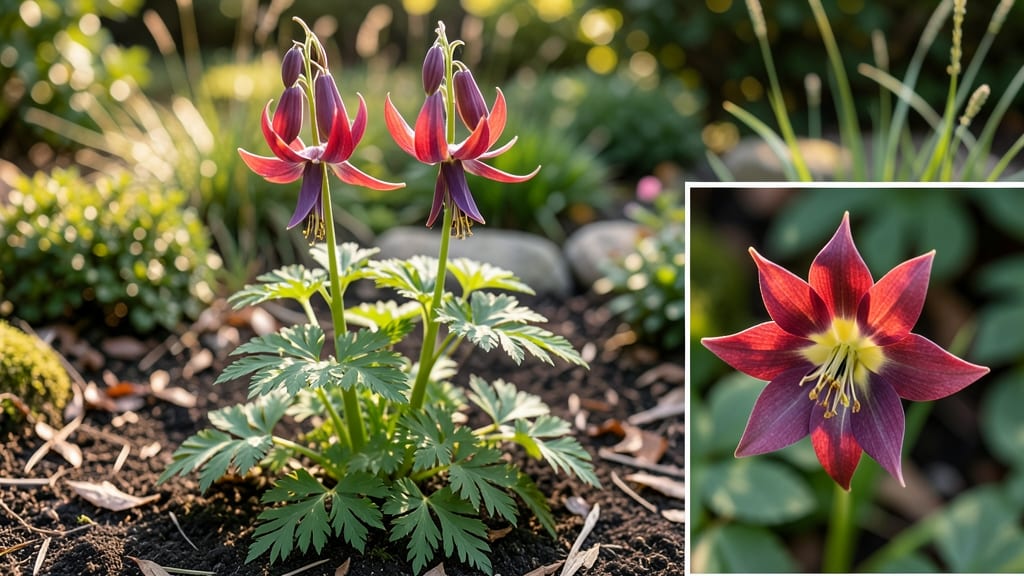
Columbines don't bloom all summer—most varieties flower primarily in spring to early summer (April–June), with some reblooming in fall. Cool-season types thrive in spring, while heat-sensitive varieties may stop blooming by mid-summer unless you deadhead them or provide shaded, moist conditions.
Columbines are famously seasonal plants, with their blooming cycles tightly linked to temperature shifts. 🌸 The spring-to-early-summer window (April–June) is their peak flowering period, especially for popular varieties like the classic aquilegia vulgaris.
What many gardeners don't realize is that these plants actually enter a natural dormancy during summer's heat—some varieties even go completely dormant until fall rains return.
The key to extending their bloom time lies in understanding their native growing conditions: most columbines originate from mountainous regions where cool nights and moderate days trigger flowering.
For gardeners in warmer climates, the solution often comes down to microclimate management. Planting columbines in partial shade or near moisture-retentive companion plants (like ferns or hostas) can create the cool, damp conditions they prefer during summer months.
I've found that regular deadheading—removing spent blooms—can sometimes coax a second flush of flowers in late summer or early fall, though this works best with cool-season varieties. The trade-off? You'll sacrifice some of the plant's energy reserves for seed production, which might affect next year's blooms.
💡 In This Article
- Columbine Bloom Seasons by Variety and Climate
- Extending Columbine Blooms: Pruning, Deadheading, and Growing Tips
Columbine bloom seasons by variety and climate
Columbines exhibit distinct bloom cycles tied to their native habitats. The eastern red columbine (Aquilegia canadensis) typically flowers from April to June, while the European columbine (Aquilegia vulgaris) peaks in May and early June.
These timelines reflect their adaptation to temperate climates where cooler spring temperatures trigger flowering. In mountainous regions, where many columbine species originate, the 10-12 hour daylight of late spring provides the perfect photoperiodic cue for blooming. 🌿
Climate plays a critical role in bloom duration. In USDA Zones 3-7, most varieties complete their primary bloom by late June due to rising temperatures. Heat-sensitive species like Aquilegia formosa (western columbine) may stop flowering entirely by mid-July if daytime temperatures exceed 85°F.
Conversely, alpine varieties like Aquilegia bertolonii often bloom later into summer in cooler mountain climates, sometimes extending until August when nights remain chilly.
Daylength sensitivity explains why northern gardeners often see longer bloom seasons. The gradual lengthening of daylight in spring triggers initial flowering, while the slow shortening of days in summer can prompt a secondary bloom in fall.
In southern climates, this natural rhythm is disrupted by consistent long days and high heat, causing plants to enter dormancy. The result? A 6-8 week bloom window rather than continuous summer flowers.
Color variations also influence bloom timing. Darker flower hues (like deep purple) tend to absorb more heat, potentially shortening bloom duration by 1-2 weeks compared to lighter varieties. Meanwhile, double-flowered cultivars often bloom 2-3 weeks later than single-flowered types because their extra petals require more energy to develop.
This explains why some gardeners report their white or pale pink columbines lasting longer in summer heat.
Regional microclimates create dramatic differences in bloom patterns. In Pacific Northwest gardens, where summers are cool and moist, columbines may produce two distinct bloom cycles—spring and fall—while in Midwestern prairie zones, the same varieties might only bloom once.
The key difference? Summer rainfall patterns: 1-2 inches of weekly moisture can extend blooms by 3-4 weeks in drought-prone areas.
What most gardeners overlook is the vernalization process—a cold treatment many columbines require to break dormancy. Without adequate winter chilling (4-6 weeks below 40°F), even well-established plants may produce 50% fewer blooms the following spring.
This explains why container-grown columbines often have shorter bloom seasons than those in garden beds.
For those seeking summer blooms, the solution lies in selecting heat-tolerant varieties like Aquilegia chrysantha (golden columbine) or creating shaded microclimates** with 50-60% sunlight. These adaptations can push bloom seasons into late summer or early fall when temperatures dip below 80°F.