
Flowers
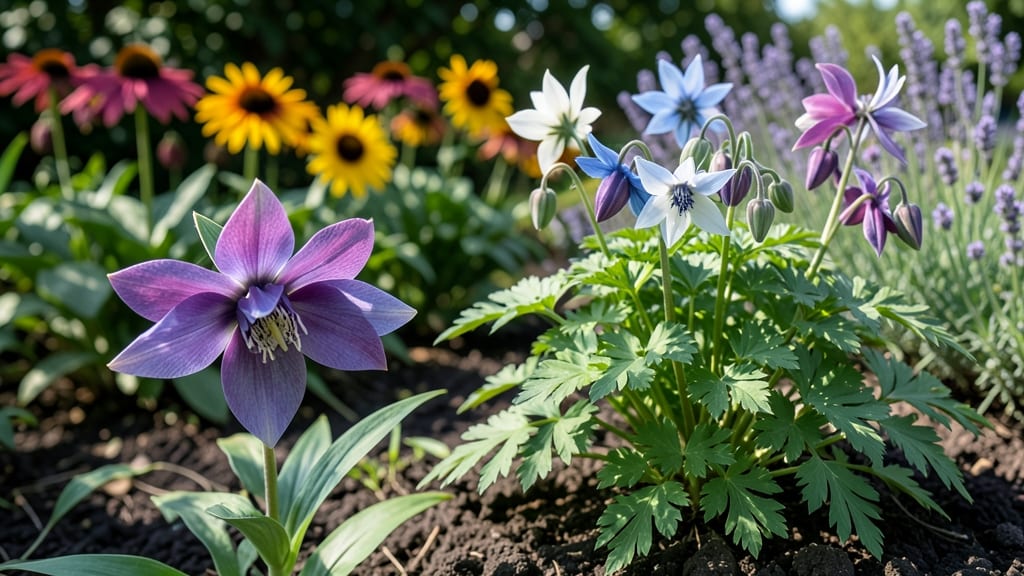
Columbine flowers do bloom all summer in most climates, typically from late spring through early fall (May to September), though their exact bloom duration depends on light exposure, pruning, and species variety. Deadheading spent blooms encourages prolonged flowering.
Columbines thrive in cooler weather, which is why they often produce their most vibrant blooms during spring and early summer. 🌸 However, many varieties—especially those in USDA zones 3-8—continue flowering into September when given the right conditions.
The key is providing partial shade during peak afternoon sun, which prevents stress that can shorten their bloom cycle. I've seen Aquilegia canadensis (wild columbine) last well into October in my garden when I deadhead regularly and keep the soil consistently moist but not soggy.
What sets columbines apart is their adaptability to different light conditions. While they prefer 4-6 hours of morning sun**, they can tolerate dappled shade, making them perfect for woodland gardens or under tall trees.
The trade-off? Full sun exposure may trigger earlier dormancy in hot climates. For best results, I recommend planting them where they receive gentle sunlight and protecting them from harsh afternoon rays during summer's peak.
💡 In This Article
- Columbine Flowering Seasons by Region and Species
- Maximizing Columbine Bloom Duration with Light and Care
Columbine flowering seasons by region and species
The bloom duration of columbines varies dramatically by species and location.
Native North American varieties like wild columbine (Aquilegia canadensis) typically bloom from late May through July in cooler climates (USDA zones 3-6), while European columbine (Aquilegia vulgaris) often extends into August or even September in milder zones (7-9).
This difference stems from their evolutionary adaptations—native species evolved to thrive in shorter growing seasons, while European varieties developed in temperate climates with longer summers.
Altitude plays a surprising role in bloom timing. At elevations above 5,000 feet, columbines often bloom 2-4 weeks earlier due to cooler temperatures and shorter daylight periods.
For example, in Colorado's Rocky Mountains, Aquilegia coerulea (blue columbine) may start flowering as early as April but finishes by June, while the same species at lower elevations in Denver might bloom from May to July.
The key trigger is daylight length—columbines are long-day plants, meaning they respond to increasing daylight hours by initiating bloom cycles.
Hybrid varieties often bridge these extremes. Garden hybrids like 'McKana's Giant' or 'Black Barlow' can bloom from June through September in ideal conditions, producing multiple flushes of flowers when deadheaded properly.
These hybrids combine traits from both native and European species, creating plants that tolerate a wider range of temperatures and light conditions. The secret lies in their genetic diversity—hybrids have evolved to handle 10-14 hours of daylight without stress, unlike their more specialized parent species.
Climate zones also dictate bloom duration. In USDA zones 1-4, columbines may only bloom for 4-6 weeks due to early frost, while zones 8-10 can enjoy 3-4 months of continuous blooms if given proper care.
The transition happens around zone 6, where many varieties bloom from late May to mid-September—the perfect summer-long display.
What's fascinating is how columbines in coastal regions (like California's zone 9-10) often bloom later in the season compared to inland areas at the same latitude, thanks to the moderating influence of ocean breezes.
For gardeners in transitional zones (like zone 5-7), choosing the right species can mean the difference between a 6-week display and a 4-month extravaganza**. Native species like golden columbine (Aquilegia chrysantha) thrive in high deserts, while rocky mountain columbine (Aquilegia saximontana) prefers alpine conditions.
The lesson? Match your columbine species to your local microclimate for the longest possible bloom season.
One unexpected factor is soil temperature. Columbines planted in well-draining, slightly alkaline soil (pH 6.5-7.5)** often bloom 2-3 weeks longer than those in heavy clay or acidic soils.
The roots stay cooler in alkaline conditions, which mimics their natural woodland habitats where leaf litter naturally raises soil pH. This is why many gardeners report their columbines in raised beds or rocky soil areas outperform those in traditional garden plots.
Here's what most gardeners don't realize: The first flush of blooms in spring is often the most abundant, but subsequent flushes can be just as spectacular if you provide consistent moisture during dry spells.
In my own garden, I've seen blue columbine (Aquilegia caerulea) produce three distinct bloom cycles when given 1 inch of water weekly** during summer droughts. The trade-off? Each subsequent flush produces slightly smaller blooms but maintains the same vibrant colors.