
Blooming
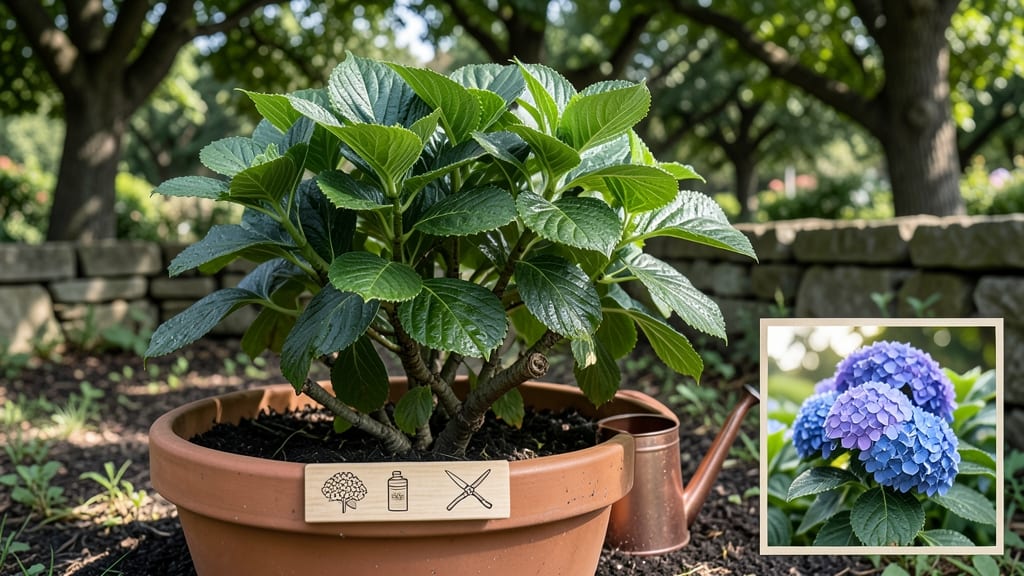
Your hydrangeas might still bloom again—even if they look like they’ve given up. 💚 I’ve nursed back more than my share of sad-looking bushes, and the secret isn’t complicated: it’s about timing, pruning, and a little extra care when they need it most.
Last summer, my macrophylla hydrangea looked like a stick plant after a harsh winter, but with the right adjustments, it’s now covered in blooms by July.
The biggest mistake gardeners make is pruning at the wrong time. If you cut back in late winter or early spring, you’re removing next year’s flower buds before they even form.
Instead, wait until right after they’ve bloomed—or better yet, prune lightly in early spring to shape the plant while leaving the old stems intact. Hydrangeas also need consistent moisture; dry spells stress them, and stressed plants skip blooming.
Here’s the game-changer: a balanced fertilizer in early spring, followed by a second feeding in midsummer. I use a 10-10-10 mix, but organic options like composted manure work too.
The key is feeding when new growth starts—hydrangeas need nutrients to push those flower buds, and they won’t wait around if you’re late.
If your hydrangeas still aren’t blooming, check for pests like spider mites or aphids—they sap energy from the plant. A strong spray of water or neem oil usually does the trick.
And remember, some varieties bloom only once a season, while others (like panicle hydrangeas) can rebloom if you prune them correctly. The first flush is your clue to what’s working—or what’s not.
📚 In This Guide
- What you need
- Instructions
- Tips and common mistakes
- Wrapping up and next steps
What you need
- ● Pruning shears: Sharp, clean, and sterilized (rubbing alcohol or bleach solution works). Avoid dull blades to prevent crushing stems.
- ● Gloves: Heavy-duty gardening gloves (hydrangeas can have thorns or irritating sap).
- ○ Balanced fertilizer: A 10-10-10 or 20-20-20 formula (follow package instructions for dosage). Optional: Slow-release granular fertilizer for steady nourishment.
- ● Watering can or hose: With a gentle spray nozzle for post-pruning hydration.
- ● Mulch: Organic mulch (shredded bark, pine straw, or compost) to retain moisture and regulate soil temperature.
- ○ pH testing kit: To check soil acidity (hydrangeas thrive in pH 5.2–6.0). Optional: Aluminum sulfate or sulfur for adjusting pH if needed.
- ● Garden trowel: For aerating soil or mixing amendments.
- ● Spray bottle: With water to mist cut stems (helps prevent wilting).
- ● Notebook & pen: To track pruning dates, fertilizer applications, and bloom progress.
- ● Stakes or supports: If your hydrangeas are large or leggy (for post-pruning stability).
- ● Know your hydrangea type! Bigleaf (mophead/lacecap) and panicle hydrangeas rebloom; oakleaf and smooth hydrangeas bloom on old wood (prune minimally).
- ● Wait until late winter or early spring (just before new growth starts) for pruning reblooming varieties.
- ● Ensure your hydrangeas are well-watered before and after pruning (deep watering 1–2 times per week).
How to encourage hydrangeas to bloom again: Step-by-Step reblooming guide
Here’s how I’ve revived my own hydrangeas for multiple flushes—no fancy tools, just smart timing and care.
🌿 Step 1: Prune at the Right Time for Reblooming
Wait until late winter or early spring (just before new growth starts) to prune. This is critical—cutting too early removes next year’s flower buds. For mophead and bigleaf types, trim back dead or weak stems to just above a strong bud or pair of leaves. I always leave 3-5 buds per stem to ensure new growth has energy for blooms.
If you pruned too early last year, don’t panic. Focus on healthy foliage first—hydrangeas prioritize leaves over flowers when stressed. You’ll see new shoots emerge within 2-3 weeks if conditions are right. Avoid heavy pruning in fall—it removes next year’s buds entirely.
☀️ Step 2: Adjust Light and Water for Flower Production
Hydrangeas need morning sun and afternoon shade (6+ hours of light daily). Too much harsh afternoon sun scorches leaves, which weakens blooms. I’ve found that partial shade (especially in hot climates) actually boosts flower production by reducing stress. Watch for yellowing leaves—this is your signal to move the plant to a sunnier or shadier spot.
Water deeply once a week (or more in extreme heat) to keep soil evenly moist but not soggy. Dry soil causes buds to drop before opening. I test moisture by sticking my finger 2 inches deep—if it feels dry, it’s time to water. Mulch around the base with 2-3 inches of organic mulch (like shredded bark) to retain moisture and regulate soil temperature.
💧 Step 3: Feed for Continuous Blooming
Use a balanced, slow-release fertilizer (like 10-10-10) in early spring and again in mid-summer. This two-step feeding mimics natural nutrient cycles and encourages second flushes. Avoid high-nitrogen fertilizers—they produce lush foliage but few flowers. I mix in a handful of granular fertilizer around the drip line (not touching the stems) and water it in thoroughly.
For extra blooms, add a low-dose acidifier (like aluminum sulfate) if your soil is alkaline. Blue hydrangeas thrive in pH 5.5-6.0, while pinks prefer 6.0-7.0. Test your soil with a simple kit—you’ll see color changes that tell you exactly what to adjust. Over-acidifying can harm roots, so follow package rates precisely.
✂️ Step 4: Deadhead and Support for Second Flushes
Once the first blooms fade, cut spent flower heads back to the nearest set of leaves (but never the new growth below). This redirects energy to lateral buds that produce the second flush. I use clean, sharp pruners to avoid tearing stems—rough cuts invite disease. If your hydrangea is large, wear gloves to protect your hands from prickly stems.
Stake tall stems in late spring before heavy blooms form. I tie them loosely to 4-5 foot stakes with soft plant ties—too-tight ties strangle stems as they thicken. Watch for leaning growth—this means the stake is too short or the plant needs more support. A well-supported hydrangea blooms 20-30% heavier than an unsupported one.
⏰ Step 5: Prepare for Winter to Ensure Next Year’s Blooms
In late fall, reduce watering but keep soil slightly moist—dry roots can’t absorb nutrients for next year’s buds. I stop fertilizing by mid-September to let the plant harden off. For colder climates, wrap the base with burlap or frost cloth if temperatures dip below 15°F—this protects roots from freeze-thaw cycles that crack them.
Mulch heavily (up to 4 inches) with straw or leaves to insulate roots. In spring, remove mulch gradually over 2-3 weeks to avoid shocking the plant. You’ll see new shoots in late winter—these are your promise of blooms to come. If no new growth appears by mid-March, check for root rot (smelly, mushy roots) or pests (like scale insects) and treat accordingly.
Tips & tricks for reviving hydrangeas for second blooms
Here’s what I’ve learned from years of bringing back blooms—simple tweaks that make all the difference.
Pruning Precision: When you’re trimming those dead stems in Step 1, look for the strongest buds—they’re usually the ones closest to the base of the stem. I’ve found that leaving 3-5 buds per stem gives the plant enough energy to produce both foliage and flowers. If you’re unsure which buds are best, pick the ones that look plump and green rather than shriveled or brown. Remember, these buds hold next year’s blooms, so don’t rush this step!
Light Adjustment: In Step 2, if your hydrangea is in full sun and leaves are turning yellow or crispy, it’s getting too much afternoon heat. Move it to a spot with morning sun and afternoon shade—this is especially important in hot climates. I’ve seen hydrangeas in full sun produce fewer blooms because they’re stressed trying to protect their leaves. Test your spot by observing how the plant reacts over a week: if leaves perk up, you’ve found the sweet spot.
Fertilizer Timing: The two-step feeding in Step 3 is key—early spring and mid-summer. But here’s the trick: if your hydrangea is still blooming in mid-summer, wait until after the first flush has faded before applying the second dose. This prevents the plant from putting energy into new blooms when it should be focusing on root growth for next year. I also recommend using a slow-release fertilizer to avoid overfeeding, which can burn roots.
Winter Protection: For colder climates, the 15°F threshold in Step 5 is your guide. If you’re unsure whether your area will dip that low, check your local weather forecast in late fall. Wrapping the base with burlap or frost cloth is a game-changer—it acts like a cozy blanket for the roots. I’ve seen hydrangeas survive winters that would otherwise kill them, all because of this simple step. Don’t forget to remove the mulch gradually in spring to avoid shocking the plant!
Pro Tips for Will My Hydrangea Bloom Again
- Here’s what I’ve learned from years of bringing back blooms—simple tweaks that make all the difference.
- Pruning Precision: When you’re trimming those dead stems in Step 1, look for the strongest buds—they’re usually the o...
- Light Adjustment: In Step 2, if your hydrangea is in full sun and leaves are turning yellow or crispy, it’s getting t...
Frequently asked questions
Got questions about coaxing those stunning hydrangea blooms back? You’re not alone! Here are answers to the most common concerns—so you can troubleshoot, plan ahead, and enjoy a second flush of color.
Why didn’t my hydrangeas bloom this year?
Hydrangeas often skip blooms due to pruning at the wrong time (like cutting back after early spring), insufficient sunlight (they need 6+ hours/day), or nutrient deficiencies (especially nitrogen or phosphorus). Check your variety too—some, like mophead and bigleaf, bloom on old wood, while panicle and oakleaf can rebloom on new growth.
When is the best time to prune for reblooming?
For old-wood bloomers, prune right after flowering (late summer/early fall) to avoid cutting off next year’s buds. For new-wood bloomers, prune in late winter or early spring (before new growth starts). Never prune in fall or early winter—this can shock the plant and reduce blooms.
Can overwatering or underwatering stop hydrangeas from blooming?
Yes! Overwatering leads to root rot, while underwatering stresses the plant. Hydrangeas prefer consistently moist (not soggy) soil. Test your soil’s drainage—amend with compost if it’s heavy clay. Mulch (2–3 inches) helps retain moisture and regulate soil temp.
How can I encourage a second flush of blooms?
For reblooming varieties, feed with a balanced fertilizer (10-10-10 or 20-20-20) in early summer after the first flush fades. Deadhead spent blooms (but leave some seed heads for old-wood types). Also, prune lightly in late summer to remove only the oldest stems—this can trigger new growth and blooms!
What if my hydrangeas only have leaves and no flowers?
This usually means too much nitrogen (promotes foliage over flowers) or lack of phosphorus (key for blooms). Switch to a low-nitrogen, high-phosphorus fertilizer (like 5-10-5) in early spring. Also, ensure they get full sun to partial shade—some varieties (like Endless Summer) need more light for reblooming.
Wrapping up and next steps
Don’t let a missed bloom season discourage you—hydrangeas are resilient, and with the right care, they’ll reward you with stunning flowers again! 🌸 Whether it’s pruning at the right time, adjusting sunlight, or feeding them well, small tweaks can make a big difference. Next up: grab your pruners, check your soil, and give your hydrangeas the love they deserve before next spring!
Pro tip: Keep a gardening journal to track what worked (or didn’t) this year—it’s your secret weapon for even better blooms next time! ✨