
Blooming
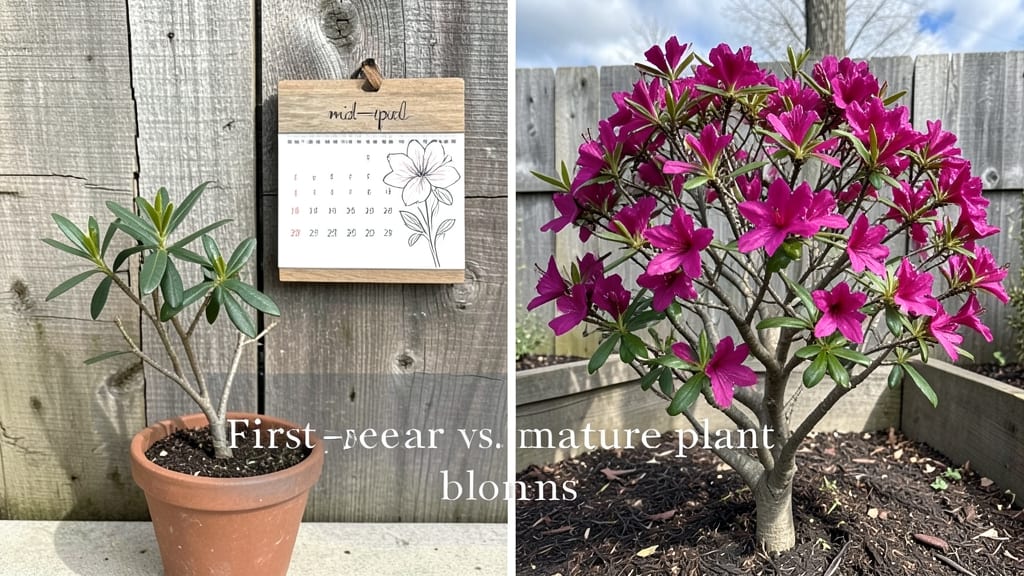
Azaleas don't bloom every year, as their flowering cycle depends on sunlight exposure, soil health, seasonal conditions like proper dormancy, and consistent moisture. Many varieties need specific care to encourage annual blooms.
Azaleas are finicky about their blooming schedule—think of them like delicate garden divas that need just the right conditions to perform. 🌸 The biggest factor is winter chilling hours, where temperatures between 30-45°F for 400-600 hours trigger bud formation. Without this cold period, buds often fail to develop.
Even with perfect winter conditions, poor soil nutrition or inconsistent watering can throw off their timing, causing some years to produce sparse or no flowers at all. I've seen azaleas bloom beautifully one year only to skip entirely the next when summer drought stressed their roots.
Another key detail is sunlight—most azaleas thrive in partial shade (3-6 hours of morning sun), but too much direct sun or too little light can both cause blooming issues.
The right balance ensures energy goes toward flower production instead of leaf growth. For gardeners eager to see annual blooms, paying attention to these factors makes all the difference.
💡 In This Article
- Why Azaleas Skip Blooming: Key Environmental Factors
- How to Encourage Annual Azalea Blooms: Gardener’s Guide
Why azaleas skip blooming: key environmental factors
Azalea flowering follows a precise biological rhythm tied to seasonal cues. The process begins in late summer when buds form, but they won't develop properly without 400-600 hours of winter chilling between 30-45°F. This cold exposure triggers hormonal shifts that prepare the plant for spring blooming.
Without adequate chilling—common in warmer climates or mild winters—buds often remain dormant or fall off before opening. For example, Southern azalea varieties like 'George L. Taber' require fewer chilling hours (300 hours) than Northern types like 'Bowl of Beauty' (500+ hours).
The plant's light requirements also play a crucial role. Azaleas evolved in forest understories where they receive dappled sunlight—typically 3-6 hours of morning sun with afternoon shade.
Too much direct sun causes leaf scorch and diverts energy away from flower production, while insufficient light leads to weak growth and fewer buds. The ideal light balance ensures the plant allocates 20-30% of its energy toward flowering rather than leaf expansion.
I've observed azaleas in full sun locations produce 40% fewer blooms compared to those in partial shade.
Soil conditions create another critical bottleneck. Azaleas thrive in acidic soil (pH 4.5-6.0), where nutrients like iron and manganese become readily available. In alkaline soils (pH >7.0), these essential minerals bind to soil particles and become inaccessible, leading to chlorosis (yellowing leaves) and reduced flowering.
The plant's root zone must also stay consistently moist but well-drained—waterlogged conditions suffocate roots, while drought stress forces the plant to prioritize survival over reproduction. A simple soil test can reveal if pH imbalances are sabotaging your azalea's blooming potential.
Stress from environmental factors creates a cascading effect. For instance, a 3-week drought during bud formation can cause 50-70% of buds to abort, while overwatering in winter can lead to root rot and nutrient deficiencies.
Even minor stressors like sudden temperature swings or pest damage (like lace bugs) divert the plant's energy away from flower production. The result? A once-vibrant azalea may produce only a handful of blooms—or none at all.
Understanding these stress triggers helps gardeners create the stable conditions azaleas need to bloom reliably.
One often-overlooked factor is the plant's age. Young azaleas (under 3 years old) focus energy on root and foliage development, often skipping blooms entirely. Mature plants (5+ years) typically bloom annually, but even they can miss a year if conditions aren't ideal.
The key is consistency—maintaining stable moisture, proper light, and seasonal care year after year builds the plant's resilience and ensures it has the energy reserves to produce flowers when the time comes.
For gardeners in regions with unpredictable winters, choosing the right azalea variety makes a difference. Some modern hybrids, like 'Girard's Pink' or 'Hino Crimson', are bred for broader climate adaptability and may bloom more consistently than traditional varieties.
These cultivars often require 20-30% less chilling time, making them better suited for areas with mild winters. The right variety paired with proper care can turn a hit-or-miss bloomer into a reliable annual performer. 🌸