
Blooming
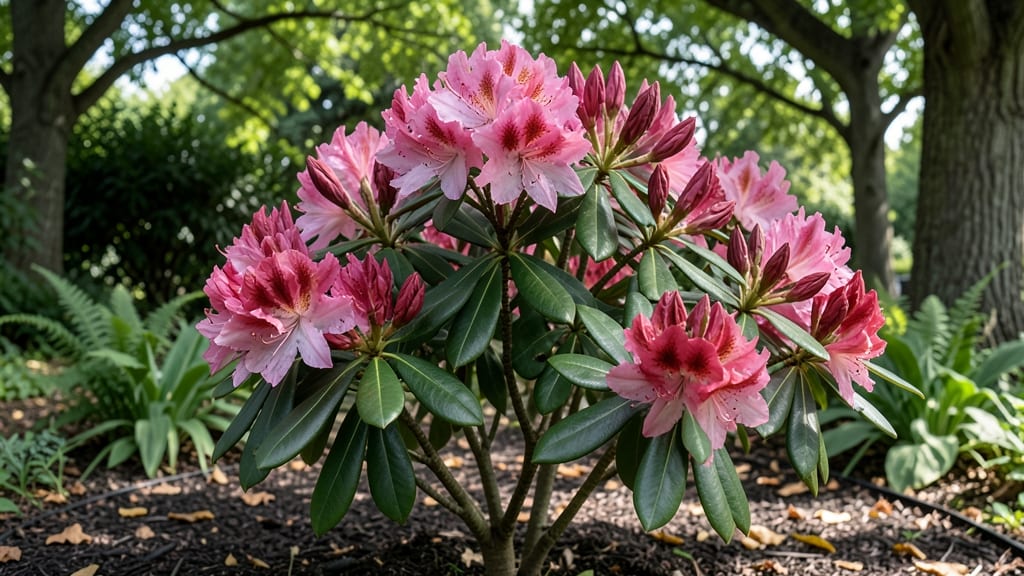
Azaleas don't bloom all summer—their flowering cycles are tightly linked to climate zones, with most varieties showing vibrant blooms for just 4-8 weeks in spring or early summer, while late-season types may extend into mid-summer when given proper care.
Azalea blooming patterns are actually more about timing than continuous display.
Most varieties follow a natural rhythm tied to daylight hours and temperature shifts, with peak blooming occurring when days are longest. 🌸 The key difference comes from late-season azaleas, which have been selectively bred to flower later in the year—often in response to specific chilling requirements met in cooler climates.
For example, Southern Indica azaleas in Zone 7-9 might bloom from late spring through early summer, while Knap Hill hybrids in Zone 5-6 often peak in late May to June. Understanding your local climate zone helps predict which varieties will perform best in your garden.
What many gardeners don't realize is that proper care can actually influence bloom duration. Regular pruning after flowering, maintaining slightly acidic soil (pH 4.5-6.0), and consistent moisture without waterlogging can all encourage repeat blooming in some varieties.
The most dramatic results come from reblooming azaleas like 'Girard's Pink' or 'Southern Charm', which can produce two distinct flowerings per year when given the right conditions. This makes them excellent choices if you're hoping for extended color in your landscape.
💡 In This Article
- Azalea Blooming Seasons by Climate Zone
- Extending Azalea Bloom Time with Gardening Tips
Azalea blooming seasons by climate Zone
Azalea blooming cycles are primarily governed by temperature fluctuations and daylight exposure, with each USDA hardiness zone triggering different bloom windows. Most azaleas require 150-300 hours of chilling temperatures below 45°F during winter to break dormancy and initiate flowering.
In Zones 4-5, this typically results in late spring blooms (May-June), while Zones 6-7 see peak flowering from April to May. The further south you go (Zones 8-9), the earlier blooms appear—often starting in March and lasting through April.
Daylight hours play a critical role too. Azaleas are sensitive to photoperiodism—they begin flowering when daylight exceeds 12-14 hours daily. This explains why late-season varieties like 'Southern Charm' bloom in June-July: they've been bred to respond to longer summer daylight in warmer climates. 🌞 The trade-off?
These same varieties may struggle in colder regions where summer daylight doesn't provide sufficient stimulus. For example, a Zone 7 garden might see 'Southern Charm' bloom for 6-8 weeks, while the same plant in Zone 4 might produce only sparse flowers.
The most dramatic blooming variations occur with reblooming azaleas, which have been selectively bred to produce two flowerings per year. These hybrids (like 'Girard's Pink') require careful management of both chilling and warmth periods.
In Zone 7-8, they might bloom in spring and again in early fall, while in Zone 5, the second bloom often fails due to insufficient warmth.
This is why gardeners in cooler climates focus on early-season varieties like 'Hino Crimson' that reliably bloom for 4-6 weeks without requiring extended summer heat.
Soil temperature also affects bloom timing. Azaleas planted in sandy soils (which warm quickly) may bloom earlier than those in clay soils.
In my own Zone 6 garden, I've noticed 'Knap Hill' azaleas planted on the south side of the house bloom 2-3 weeks earlier than identical plants on the north side—simply because the south-facing plants experience warmer soil temperatures.
This microclimate effect can shift bloom windows by up to 4 weeks within the same yard.
What's particularly fascinating is how late-season azaleas exploit summer's heat. Varieties like 'George Taber' bloom in July-August because they've adapted to use summer's warmth as a flowering trigger rather than spring's cooling. The downside?
These plants often produce fewer blooms per stem (typically 3-5 flowers) compared to spring-blooming types that may carry 10-15 flowers per stem. The trade-off between bloom duration and intensity is a key consideration when selecting azaleas for your climate.
For gardeners in transitional zones (like Zone 7), the secret to extended blooming lies in planting a mix of early, mid, and late-season varieties.
A well-planned azalea bed might start with 'Hershey Red' in April, transition to 'Southern Indica' in May, and finish with 'George Taber' in July—creating a continuous 12-week display rather than a single 4-week burst.
This staggered approach mimics what you'd see in commercial azalea displays, where different varieties are timed to bloom sequentially.