
Pruning
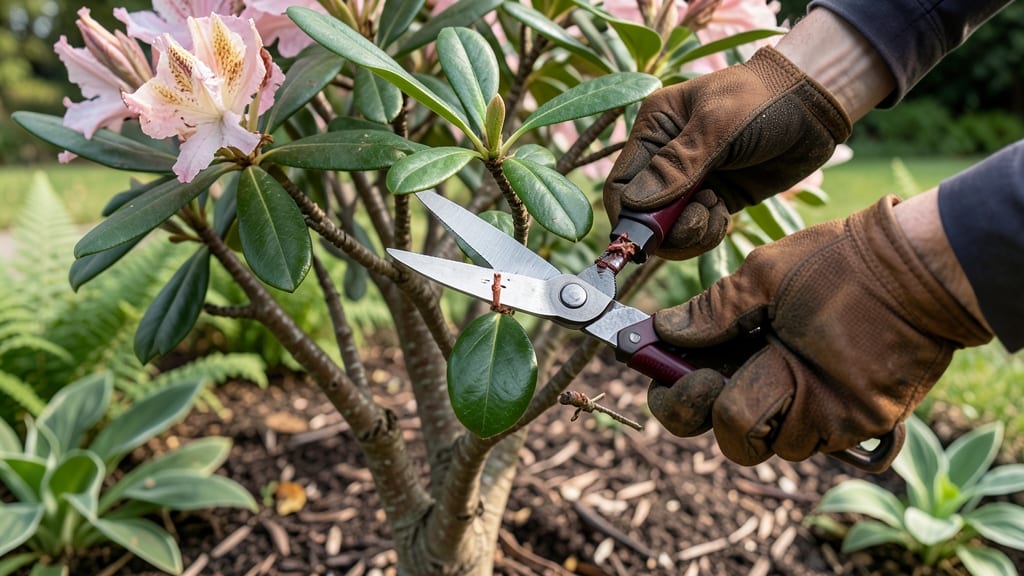
To prune azaleas that bloom twice a year, time your cuts right after spring blooms fade and again in late summer—any other window risks losing that stunning fall display.
Picture this: your 🌸 azalea in General (USDA Zone 6 default) bursts with spring color, only to stand bare by autumn because you pruned too early. That second bloom isn’t guaranteed—it’s earned through precision timing and knowing when to stop cutting.
Most gardeners mess up by pruning during bloom or waiting too long, which confuses the plant’s energy. The key is a two-step approach: light shaping after spring flowers drop, then a second trim 6 weeks before fall buds form—no earlier.
Below, I’ll walk you through the exact timing, tools, and what to cut (and what to leave) to keep your azalea reblooming year after year without sacrificing next season’s flowers.
Spring pruning secrets: how to trim without sacrificing fall blooms
Spring is the golden window for pruning reblooming azaleas, but timing is everything. Cut too early, and you risk losing fall flowers. Wait too long, and you stunt new growth.
The key is pruning after spring blooms fade but before summer buds form—typically late April to early June in USDA Zone 6. This timing ensures your azalea has time to develop new flower buds for its fall display.
Start by removing dead, diseased, or crossing branches—these are your top priorities. Next, trim spent blooms back to the first set of healthy leaves. Avoid cutting into old wood, as reblooming azaleas rely on current season’s growth for their second flush.
Think of it as shaping a canvas—you’re guiding, not hacking.
Here’s the critical step list for spring pruning to protect fall blooms:
- 🌱 Step 1: Wait for blooms to fade
Prune 2-4 weeks after spring flowers drop. Look for yellowing petals—this signals the plant is done flowering. - 🪴 Step 2: Remove dead/diseased wood
Cut back brown, brittle, or fungal branches to the healthiest outward-facing bud. - ✂️ Step 3: Thin crowded branches
Aim for open centers by removing 1/3 of oldest stems at the base. - 🌿 Step 4: Trim spent blooms
Cut 1-2 inches above the first leaf below each faded flower cluster. - 📅 Step 5: Finish by early June
Stop pruning 6 weeks before fall buds appear (usually late July).
Use clean, sharp bypass pruners to make 45-degree cuts just above a leaf node. Ragged cuts invite disease, and cutting too close to buds can damage emerging growth. For large branches, make a second cut 1/4 inch above the first to prevent tearing.
Shape your azalea like a rounded dome—this mimics its natural form and encourages even bud distribution. Avoid shearing, which can turn your shrub into a green wall and reduce flowering. Instead, focus on selective trimming to maintain an airy, open structure.
After pruning, apply a 2-inch layer of mulch around the base to retain moisture and acidify the soil. Azaleas thrive in acidic conditions (pH 4.5-6.0), so test your soil and amend with peat moss or sulfur if needed.
Water deeply but infrequently—once a week is ideal—to encourage root growth.
Watch for new growth in 4-6 weeks—this confirms your pruning was successful. If you see no buds by late summer, you may have pruned too late. Next spring, adjust your timing 1-2 weeks earlier to catch the perfect window.
Pro tip: Label your azaleas if you have multiple varieties. Some bloom earlier in spring (like ‘Girard’s Pink’), while others (like ‘George L. Taber’) bloom later. Tailor your pruning to each type’s natural cycle for maximum fall color.
Remember, patience is key. Reblooming azaleas take 2-3 years to establish their full flowering potential. With the right spring pruning, your shrub will reward you with vibrant fall blooms that steal the show. 🌸
Fall pruning timeline: the 6-Week rule before second bloom
Fall pruning is your secret weapon for second blooms on reblooming azaleas, but timing it wrong can kill next year’s flowers. The 6-week rule isn’t just a myth—it’s based on how azaleas form flower buds in late summer.
Prune too early, and you risk cutting off those dormant buds before they set. Too late, and you stress the plant before winter.
Most gardeners wait until mid-August to early September in USDA Zone 6, but your exact date depends on when your azalea’s new buds appear. Look for tiny green swellings along the stems—these are your fall flower buds.
Once they’re visible but still unopened, it’s time to prune. In my garden, this usually lands in late August.
Here’s the critical window: 4-6 weeks before your first frost date. For most of the U.S., that’s August 15–September 15. If you’re in a warmer zone (Zone 7+), you might push it to early October.
The goal is to give the plant enough time to harden off before winter while still encouraging new growth for next spring’s blooms.
| Pruning Method | Best Time | Impact on Fall Blooms | Impact on Next Year |
|---|---|---|---|
| Light Pruning | 4-6 weeks before frost | Preserves 80-90% of buds | Encourages strong growth |
| Heavy Pruning | After first frost (late fall) | May remove 50%+ of buds | Stimulates new shoots (but risks weak blooms) |
| Deadheading Only | After first bloom (spring) | Minimal impact on buds | Best for minimalists |
Light pruning is always the safest bet for reblooming azaleas. Focus on removing only dead, diseased, or crossing branches—never cut back more than 1/3 of the plant’s height. I like to use sharp bypass pruners to make clean cuts just above a bud or leaf node.
Avoid shearing like you would with a hedge—this stresses the plant and can reduce flower production.
If you’re unsure whether your azalea is ready, check for bud formation by gently inspecting the stems. Green buds mean it’s safe to prune; brown or woody buds mean you’ve waited too long.
Pro tip: Prune on a dry, overcast day to reduce stress on the plant. I’ve found that morning hours are ideal because the cuts have time to seal overnight.
Remember, azaleas bloom on old wood, so aggressive pruning can eliminate next year’s flowers. Stick to the 6-week rule, keep your cuts clean and precise, and your reblooming azalea will reward you with two stunning displays—one in spring and another in fall. 🌸