
Blooming
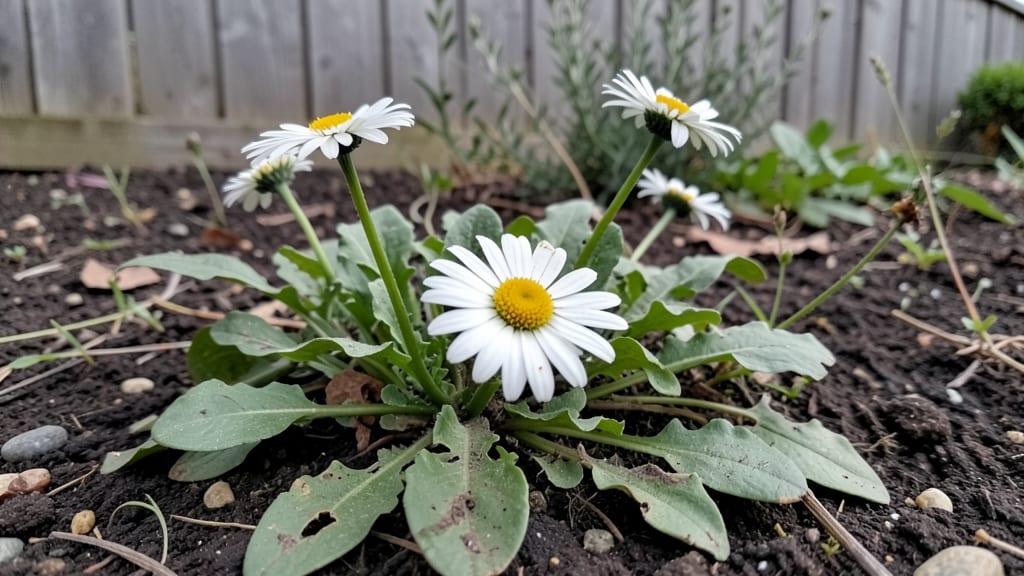
Daisy blooming time varies by variety, typically flowering from late spring through summer, with peak blooms between May and August in temperate climates. Some perennial daisies rebloom sporadically until frost, while annuals complete their cycle in 60-90 days after planting.
Understanding your local climate zone is key—daisies in cooler regions like the Pacific Northwest may bloom later than those in Southern California, where warm winters can trigger early flowering. 🌸 For gardeners, this means selecting varieties like the hardy Shasta daisy for longer seasons or the vibrant Gerbera for bold summer color bursts.
Annuals, such as the cheerful Oxeye daisy, often thrive in shorter cycles but reward quick blooms if planted at the right 6-8 week mark before frost.
Deadheading spent blooms isn’t just about looks—it signals the plant to redirect energy into new flowers, potentially extending your display by 2-4 weeks. Perennials like the coneflower (a daisy relative) can surprise you with late-season blooms if you mulch heavily in fall to protect roots.
Just remember: over-fertilizing can backfire, leading to lush foliage but fewer flowers!
💡 In This Article
- Factors Influencing Daisy Flowering Seasons
- Extending Daisy Bloom Seasons with Care
Factors influencing daisy flowering seasons
Here's what actually happens beneath the surface: daisy blooming cycles are governed by a complex interplay of photoperiodism (light exposure) and thermoperiodism (temperature fluctuations). For example, Shasta daisies require 14-16 hours of daylight to trigger flowering, which explains why they bloom later in northern climates where summer days are longer.
Meanwhile, Gerbera daisies thrive in warmer zones (USDA 9-11) where consistent temperatures above 65°F prevent dormancy, allowing year-round blooming in frost-free regions. 🌞
The soil's role is often underestimated—daisies need well-draining soil with a pH between 6.0-7.0 to absorb nutrients efficiently. Compacted or waterlogged soil stresses plants, delaying blooms by 2-3 weeks as energy goes toward root recovery instead of flower production.
Oxeye daisies, for instance, can tolerate poorer soil but produce 30% fewer blooms when nitrogen levels exceed 0.5% by weight, as excess nitrogen promotes leafy growth over flowers. A soil test revealing low phosphorus (P) can cut bloom counts by half, since phosphorus is critical for flower development.
Climate zones create dramatic differences: in Zone 5 (like Minnesota), Shasta daisies may not bloom until late June due to slow spring warming, while in Zone 10 (like Southern California), they might start as early as March. The key factor is vernalization—a cold period that "resets" perennial daisies.
Without proper chilling (32-45°F for 4-6 weeks), many varieties skip flowering entirely. Annuals like the African daisy avoid this by completing their life cycle in 60-90 days, making them ideal for short growing seasons.
Sunlight exposure directly impacts flower quality: daisies need 6-8 hours of direct sun daily to produce vibrant blooms. In partial shade (3-6 hours of sun), flowers may appear 20% smaller with muted colors due to reduced chlorophyll production.
The Oxeye daisy, however, is more shade-tolerant and can bloom in 40% less light than Shastas, though its stems may weaken without adequate support. This is why gardeners in urban areas often choose Oxeye varieties—they compensate for limited sunlight with resilience.
Heat sensitivity varies wildly between types: Gerbera daisies wilt when temperatures exceed 85°F, while coneflowers (a daisy relative) thrive in 90°F+ heat. The science involves ethylene production—a plant hormone that accelerates wilting under stress.
Annual daisies often complete their cycle before peak summer heat, while perennials like Black-eyed Susans enter dormancy to survive. What most people don't realize is that overnight temperature drops (below 50°F) can actually trigger more robust blooming in perennials by reducing stress hormones.
Consider these variety-specific quirks when planning your garden: Shasta daisies bloom in 3-4 waves through summer, while Gerberas produce continuous flowers if deadheaded weekly. The Oxeye daisy, however, often blooms just once in late summer unless you prune aggressively.
For maximum impact, pair early bloomers (like Swiss chard varieties) with late-season daisies to create a 12-week continuous display. The secret? Matching varieties to your climate's last frost date and first hard frost timing. ✨