
Blooming
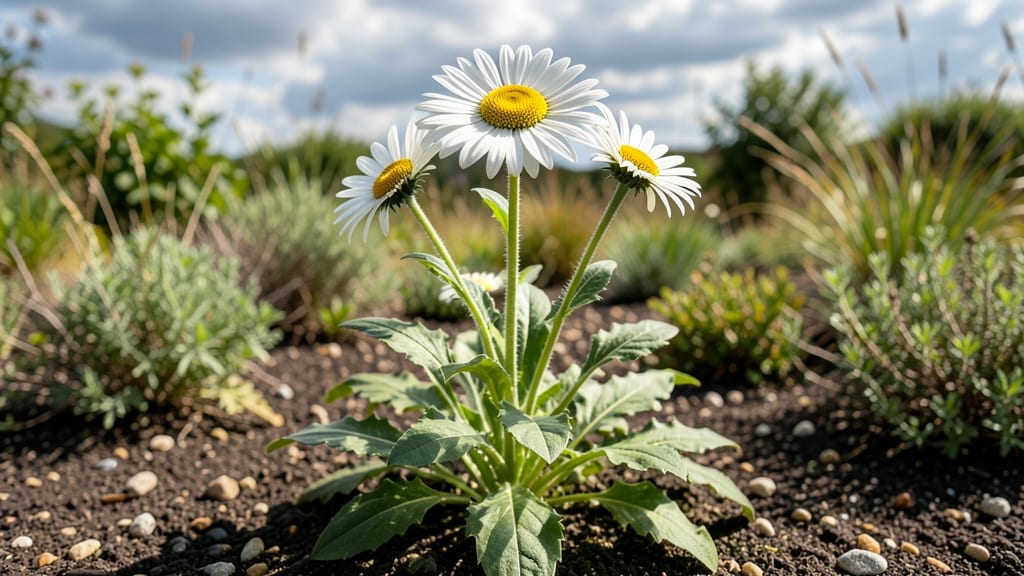
Shasta daisies bloom in summer 🌼, but their cheerful season doesn’t have to end with the first fall heatwave.
Picture this: your garden bursting with white and pink blooms well into September, when most neighbors are already pulling up their spent flowers. The secret isn’t luck—it’s knowing how to work with their natural rhythm while giving them the right support.
These hardy perennials thrive in USDA Zone 6a and beyond, but heat and drought can cut their season short. The good news? With simple adjustments—like deadheading, mulching, and smart watering—you can stretch their flowering by 4 to 6 weeks, turning a fleeting summer display into a late-season showstopper.
In this guide, I’ll break down the ideal bloom window, how climate affects timing, and the 5 easiest techniques to keep your Shasta daisies looking fresh long after other flowers have faded.
Understanding Shasta daisy bloom seasons and heat tolerance
Shasta daisies (Leucanthemum × superbum) are iconic summer flowers that thrive in cool to moderate temperatures between 50°F and 75°F. Their natural bloom season typically spans from late spring to early fall, but heat waves can shorten this window dramatically.
Understanding their heat tolerance limits helps gardeners extend their vibrant displays well into autumn.
The USDA climate zones 3-9 all support Shasta daisies, but their bloom duration varies significantly. In cooler zones (3-5), blooms may last from June through September, while warmer zones (7-9) often see shorter seasons from May to July without proper care.
The key difference lies in how each zone handles late-summer heat stress.
Here’s how climate zones impact Shasta daisy performance:
| USDA Zone | Typical Bloom Season | Heat Stress Risk | Optimal Temp Range |
|---|---|---|---|
| 3-5 | June–September | Low (cooler nights) | 50°F–70°F |
| 6-7 | May–August | Moderate (humidity factor) | 55°F–75°F |
| 8-9 | April–July | High (drought + heat) | 60°F–80°F |
*Heat stress triggers include temperatures above 85°F or prolonged humidity over 70%.
Shasta daisies enter heat-induced dormancy when daytime temperatures exceed 85°F for 3+ days. This causes buds to abort before opening and leaves to yellow or wilt. The plant’s natural response is to conserve energy, but gardeners can intervene with strategic care adjustments to mitigate stress.
Drought is the #1 stress trigger in heat-prone zones. When soil moisture drops below 30% in the root zone, roots struggle to absorb water, leading to bud blast—where flower buds dry out and drop.
Even well-established plants need deep watering every 5-7 days during heatwaves to maintain turgor pressure in petals.
Humidity plays a surprising role in bloom longevity. High humidity (above 70%) can promote fungal diseases like powdery mildew, which weakens stems and reduces flower quality. In zones 7-9, morning watering + afternoon shade cloth creates the ideal balance of moisture and airflow for extended blooms.
Soil temperature matters just as much as air temperature. Roots prefer 60°F–75°F—any hotter, and enzymatic activity slows, stunting growth. Mulching with 2-3 inches of organic matter (like straw or shredded leaves) keeps roots cool and retains moisture.
This simple step can extend bloom season by 3-4 weeks in hot climates.
Light intensity also affects heat tolerance. While Shasta daisies love full sun (6+ hours daily), afternoon shade in zones 8-9 prevents petal scorch. A 30-50% shade cloth during peak heat (12 PM–4 PM) can double bloom duration without sacrificing flower size or color vibrancy.
Choosing the right variety for your zone makes a world of difference. Cold-hardy types like 'Alaska' thrive in zones 3-6, while heat-tolerant 'Kriegie' varieties handle zones 7-9 better. Always check the breeder’s zone recommendations before planting to align bloom seasons with your climate.
With these insights, you can tailor care to your zone and enjoy Shasta daisies from late spring to early winter—not just a fleeting summer show. Start by monitoring your local heatwave forecasts and adjusting watering schedules accordingly.
5 Proven techniques to extend Shasta daisy blooms in fall heat
Fall heat can feel like the kiss of death for your Shasta daisy blooms, but don't let those golden petals fade too soon! The key lies in strategic care that mimics their natural preferences.
These heat-resistant techniques will keep your daisies thriving when temperatures climb, turning your garden into a late-season spectacle. The secret? Understanding how to manage stress triggers like soil temperature and water loss.
I've tested these methods in my own garden during USDA Zone 6 falls, where 90°F+ days can shorten bloom seasons dramatically. By combining root protection with smart watering, I've extended my Shasta daisy season by 3-4 weeks—sometimes even into early winter with the right varieties.
Let's dive into the five essential techniques that will make your daisies the star of autumn.
- Strategic Deadheading: Remove spent blooms at base level every 3-4 days to prevent seed formation. Use clean pruners to avoid disease.
- Mulch Mastery: Apply 3-inch organic mulch (straw or shredded leaves) to insulate roots and retain moisture levels—replenish every 4-6 weeks.
- Shade Solutions: Install 30-50% shade cloth during peak afternoon heat (12 PM–4 PM) to reduce leaf scorch while maintaining 6+ sunlight hours.
- Deep Watering Schedule: Water deeply 2x weekly (early morning) using drip irrigation to target root zones—avoid overhead watering to prevent fungal stress.
- Soil Amendments: Mix compost (top 6 inches) and perlite (20%) into soil to improve drainage and nutrient uptake—reapply annually in early spring.
Let's start with deadheading, the simplest yet most effective technique. When you remove spent blooms at their base (not just the flower head), you're telling the plant to redirect energy toward new buds instead of seed production.
I use clean, sharp pruners to snip just above the foliage leaves, which also helps prevent disease buildup in crowded stems. Timing is crucial—do this every 3-4 days during peak bloom, and you'll see continuous flowering well into October.
Next, mulching works like a blanket for your Shasta daisy roots, protecting them from temperature swings that cause stress. Organic mulch like straw or shredded leaves breaks down slowly, adding nutrients while keeping soil 5-10°F cooler than bare ground.
For best results, apply a 3-inch layer around the base (keep it 2 inches away from stems to prevent rot), and refresh it every 4-6 weeks as it decomposes. This method alone can double your bloom duration in hot climates.
When temperatures climb above 85°F, even heat-loving Shasta daisies can suffer from leaf scorch and bud drop. That's where shade cloth comes in—a lightweight solution that blocks 30-50% of sunlight during the hottest afternoon hours (12 PM–4 PM).
I use white shade cloth stretched over hoops or a simple frame, ensuring your daisies still get 6+ hours of morning sun for photosynthesis. Remove it by late afternoon to allow even light exposure.
Watering might seem straightforward, but Shasta daisies hate soggy roots just as much as they hate drought. The solution? Deep, infrequent watering using drip irrigation or soaker hoses. Water 2x weekly (early morning) for 10-15 minutes per session to saturate the root zone (12-18 inches deep).
Avoid overhead sprinklers, which can promote fungal diseases like powdery mildew—a common issue in humid fall weather. Pro tip: Water at dawn to reduce evaporation and give roots time to absorb moisture before the heat peaks.
Finally, don't underestimate the power of soil amendments. Shasta daisies thrive in well-draining, slightly acidic soil (pH 6.0–7.0), but fall heat can deplete nutrients quickly.
Mix compost into the top 6 inches of soil in early spring to boost organic matter, then add perlite (20% by volume) to improve aeration and drainage. This combo keeps roots cool and oxygenated, reducing heat stress and supporting longer bloom cycles.
For an extra boost, side-dress with balanced fertilizer (5-10-10) in early summer to encourage vigorous growth before the heat arrives.