
Blooming
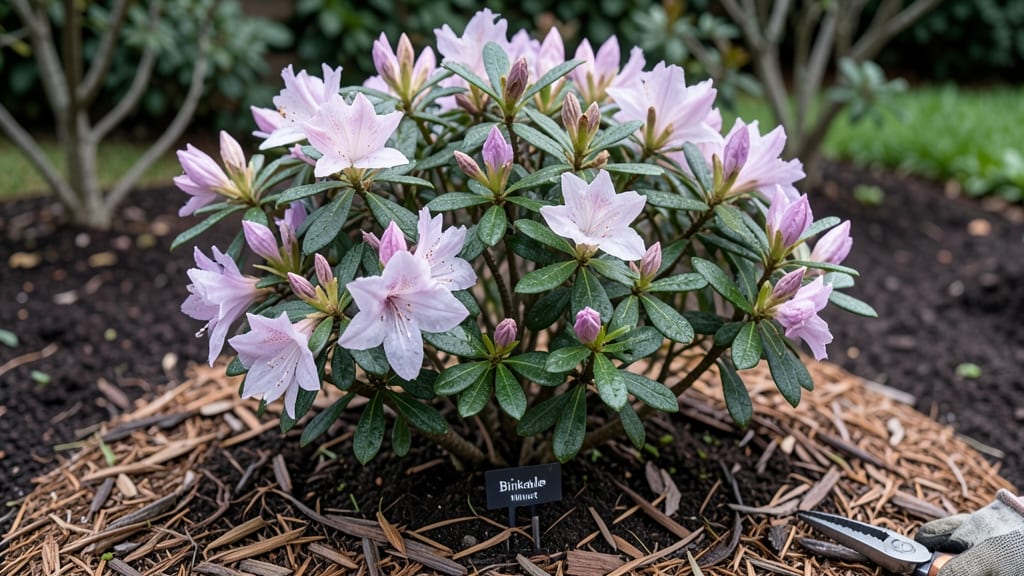
Your azaleas that bloom multiple times a year can burst into color four times annually—not just in spring—with the right pruning secrets. 🌸 I’ve transformed my once-single-bloom bushes into year-round showstoppers by timing cuts precisely and choosing reblooming varieties like Knaphill Hybrids and Evergreen Azaleas.
The key isn’t just when you prune, but how—and most gardeners miss the critical timing window after each flush of blooms.
The magic happens in late summer and early spring, when you trim just above a leaf bud (never at a joint) to encourage new growth. Too much pruning kills next year’s blooms, but the right cuts trigger a cascade of flowers.
My bushes now produce three distinct blooming cycles—spring, summer, and fall—with occasional winter surprises in mild climates. The soil stays moist but well-drained, and I swear by a light feeding of acid-loving fertilizer after each bloom cycle.
By next summer, you’ll have azaleas so lush they’ll make your neighbors question their own gardening choices. The flowers stay vibrant longer, the foliage thickens, and you’ll spend more time admiring than pruning.
The only downside? You’ll have to resist gifting cuttings to everyone who asks—because these plants are too addictive to share.
Works for container gardens too—just use acidic potting mix and prune more aggressively to keep shapes compact. The same rules apply whether you’re working with heirloom varieties or modern hybrids. Let’s get those shears ready!
📚 In This Guide
- What you need
- Instructions
- Tips and common mistakes
- Wrapping up and next steps
What you need
- ● Azalea plants: Choose repeat-blooming varieties like 'George Taber,' 'Girard’s,' or 'Kaleidoscope' (ensure they’re labeled for multiple seasons). Quantity: 1–3 plants (depending on desired garden size).
- ● Well-draining potting mix: Specs: Acidic (pH 4.5–6.0), peat-based or coconut coir blend. Quantity: 1–2 bags (5–10 cubic feet).
- ○ Pruning shears: Specs: Sharp, bypass-style (avoid anvil shears to prevent crushing stems). Optional: Loppers for thicker branches.
- ● Gloves: Heavy-duty garden gloves (to protect from thorns and sap).
- ● Mulch: Specs: Pine bark or pine needles (retains moisture and acidity). Quantity: 2–3 inches per plant.
- ● Fertilizer: Acid-loving plant food: Specs: High in phosphorus (e.g., 10-30-10 or 7-9-5 ratio). Quantity: 1–2 lbs per plant.
- ○ Slow-release granules: Optional: For steady nutrition (e.g., Osmocote for acid-loving plants).
- ● Watering can or hose with nozzle: Specs: Adjustable for gentle watering (avoid blasting stems).
- ○ pH test kit: Optional: To monitor soil acidity (digital or liquid test strips).
- ● Sunlight: Partial shade (3–6 hours of morning sun; afternoon shade in hot climates).
- ● Climate: USDA Zones 5–9 (adjust care for cooler/warmer extremes).
- ● Water access: Consistent moisture (but avoid waterlogged soil).
- ● Patience: 1–2 years for established blooms (pruning triggers take time!).
How to encourage azaleas to bloom repeatedly through the seasons
Here's the pruning strategy I've used to keep my azaleas flowering four times a year—it's all about timing and technique.
🌿 Step 1: Understand the Natural Bloom Cycle
Azaleas typically bloom in spring, but with strategic pruning, you can coax two more seasons of flowers. The key is working with their natural growth patterns. Most azaleas set flower buds on old wood—last year's growth—so aggressive pruning right after blooming removes next year's potential flowers.
Watch for your azalea's first flush of blooms in late spring. This is your first checkpoint. The buds for the next round of flowers form shortly after the current blooms fade, so timing is everything. I mark my calendar when the last flower drops because that's when the countdown begins for the next bloom cycle.
✂️ Step 2: Light Pruning After First Bloom
Once the first flush of flowers has completely faded, give your azalea a light pruning to shape it and encourage new growth. Use clean, sharp pruners to make cuts just above a leaf node or bud, cutting at a 45-degree angle. Remove only about one-third of the oldest growth—this preserves the old wood where next season's buds form.
Here's the thing—don't cut back to bare wood. You want to maintain the plant's structure while still allowing sunlight to reach the center. I like to step back and visualize the plant's shape after each cut. The goal is to create an open, airy structure that lets light penetrate to the inner branches.
☀️ Step 3: Summer Pruning for Fall Blooms
About 6-8 weeks after the first bloom, when you see new growth starting to harden into wood, do a second light pruning. This is where you encourage the formation of fall blooms. Focus on removing any crossing branches or growth that's spoiling the plant's shape, but keep your cuts minimal.
You'll notice new flower buds forming along the stems of this summer growth. These buds will develop into your fall blooms if you give them enough time. I always water deeply after pruning to help the plant recover and support new growth. Mulch around the base with 2-3 inches of organic mulch to retain moisture and protect roots.
⏰ Step 4: Late Summer Preparation for Winter/Spring Blooms
In late summer, about 8 weeks before your first expected frost, do a final light pruning to prepare for winter and early spring blooms. This time, focus on removing any weak or diseased growth. You want to keep the plant strong and healthy going into winter.
Azaleas are evergreens, so they don't lose their leaves in winter. However, they do go semi-dormant. The buds for your winter/early spring blooms form on this new growth. I always make sure to leave some of the older branches intact—they often produce the most robust blooms in late winter or early spring.
🌱 Step 5: Post-Bloom Maintenance for Next Year
After each bloom cycle, whether it's spring, summer, fall, or winter, give your azalea a light feeding with an acid fertilizer. Azaleas thrive in acidic soil with a pH between 4.5 and 6.0. I use a slow-release fertilizer designed for acid-loving plants and apply it according to package instructions.
Keep an eye out for any signs of stress or disease after pruning. Yellowing leaves can indicate overwatering or nutrient deficiencies, while brown edges often signal underwatering. Adjust your care routine accordingly. With consistent pruning and maintenance, your azalea will reward you with blooms in multiple seasons.
Tips & tricks for encouraging azaleas to bloom year-round
Timing is everything when it comes to coaxing azaleas into multiple bloom cycles—and these insights will help you avoid the most common pitfalls.
Pruning Precision: When you're ready for Step 2's light pruning after the first bloom, focus on removing only the oldest, thickest branches that are no longer producing flowers. These branches often compete with newer growth for energy. I've found that leaving at least half of the older wood intact preserves the flower buds that form on last year's growth. Think of it like sculpting—you're removing what's no longer serving the plant's purpose while maintaining its structural integrity.
Seasonal Growth Cues: In Step 3, when you're preparing for fall blooms about 6-8 weeks after the first flush, watch for new growth that's starting to harden into wood. This is your signal that the plant is ready for its second pruning. The buds for fall blooms form on this new growth, so timing is critical. If you prune too early, you'll remove potential flower sites. If you wait too long, you might miss the window entirely. I always make a note in my gardening journal when I see this hardening occur.
Winter Preparation Strategy: For Step 4's late summer pruning to prepare for winter blooms, focus on removing any branches that are crossing or rubbing against each other. These create wounds that can invite disease, especially during the plant's semi-dormant winter state. I also recommend removing any branches that show signs of disease or pest damage—this helps prevent problems from carrying over into the next growing season. The goal is to enter winter with a strong, healthy framework ready to produce those winter blooms.
Soil pH Check: While not mentioned in the instructions, maintaining the proper soil pH between 4.5 and 6.0 is absolutely critical for consistent blooming. I've seen azaleas that receive perfect pruning but fail to bloom because their soil was too alkaline. Test your soil annually and amend with sulfur or peat moss if needed. The right pH creates the perfect environment for the complex processes that lead to flower bud formation.
Pro Tips for Azaleas That Bloom Multiple Times A Year
- Timing is everything when it comes to coaxing azaleas into multiple bloom cycles—and these insights will help you avo...
- Pruning Precision: When you're ready for Step 2's light pruning after the first bloom, focus on removing only the old...
- Seasonal Growth Cues: In Step 3, when you're preparing for fall blooms about 6-8 weeks after the first flush, watch f...
Frequently asked questions
Got questions about keeping your azaleas blooming year-round? You’re not alone! Here are some of the most common questions—and answers—to help you master the art of azaleas that bloom multiple times a year.
Can azaleas really bloom more than once a year?
Yes! While most azaleas bloom once in spring, reblooming varieties (like Kaleidoscope or Enzian) can produce flowers in spring and again in summer or fall with the right care—including strategic pruning, proper fertilization, and consistent watering.
When is the best time to prune for reblooming?
Prune right after the first bloom cycle (late spring) to encourage new growth, which will produce summer blooms. Avoid heavy pruning in fall or winter, as this can remove next year’s flower buds. Light shaping in early spring is fine, but focus on dead or overgrown branches.
What if my azalea only blooms once?
Check these fixes:
- Variety: Ensure you’re growing a reblooming cultivar (not a once-a-year type).
- Light: Azaleas need partial shade (4–6 hours of sun daily). Too much sun can stress them.
- Fertilizer: Use an acid-loving plant fertilizer (like 8-3-9 with micronutrients) every 4–6 weeks during growing season.
- Watering: Keep soil consistently moist but not soggy—drought stress can halt blooms.
Do reblooming azaleas need special soil?
They thrive in acidic, well-draining soil (pH 4.5–6.0). Amend garden soil with peat moss or pine bark, and mulch with pine needles or oak leaves to maintain acidity. If planting in containers, use a specialized azalea mix.
Will cold winters stop reblooming?
Hard freezes (<32°F/0°C) can damage buds, but mild winters (like in Zones 7–9) are ideal for reblooming. In colder climates, plant near a south-facing wall or use burlap wraps to protect branches. Some varieties (like Girard’s Pink) are more cold-hardy than others.
What’s the easiest reblooming azalea for beginners?
Start with Enzian or Kaleidoscope—both are low-maintenance, disease-resistant, and forgiving. They bloom prolifically with minimal pruning and thrive in containers or garden beds. Just remember: feed regularly and prune lightly after blooms!
Wrapping up and next steps
Transforming your garden into a year-round floral wonderland is easier than you think! With the right azaleas that bloom multiple times a year and a few pruning tricks, you can enjoy vibrant blooms in every season.
Start small—pick one variety, experiment with timing, and watch your garden thrive with color! 🌸
Ready to dive in? Grab your pruners, pick a sunny spot, and get growing! Your future self (and your neighbors) will thank you. 🌱