
Blooming
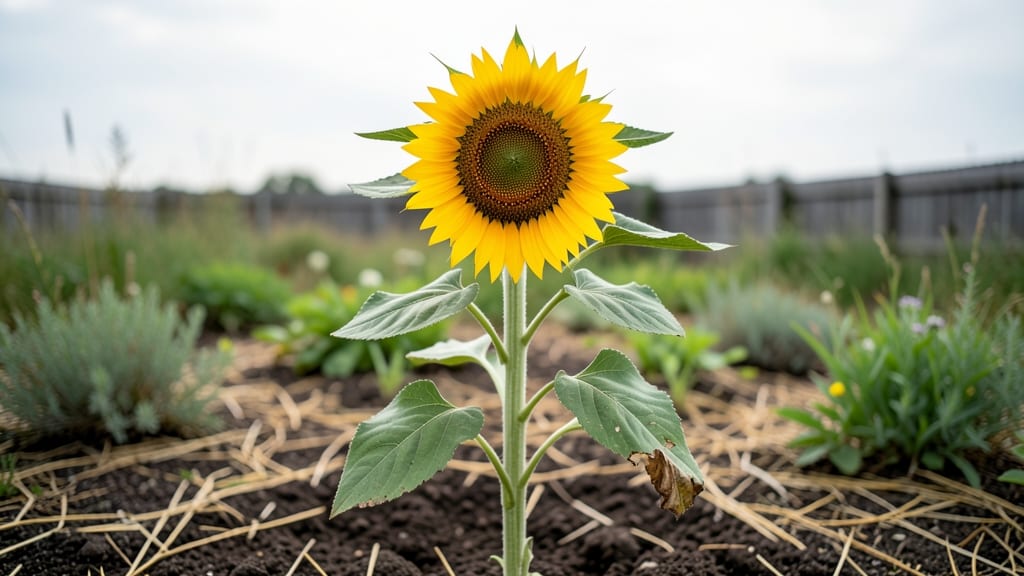
Sunflowers bloom in spring and summer, typically between May and September, depending on the variety and climate zone. Early varieties may flower as soon as April in warm regions, while late-season types bloom into fall. Planting time and frost dates also influence bloom timing.
Sunflowers kick off their blooming season in spring, with some varieties opening as early as April in warmer climates like California or Florida. 🌻 The timing shifts northward—Midwest gardeners often see flowers in late May, while New Englanders might wait until June or July.
What's fascinating is how day length triggers blooming: shorter days in fall can actually prompt late-season varieties to flower again, creating a second wave of color.
For gardeners eager to extend the bloom period, choosing the right variety matters. Early bloomers like 'Teddy Bear' start in May, while tall 'Mammoth' types may not peak until July. Planting a mix of types ensures continuous blooms from spring through early fall.
I've found that deadheading (removing spent blooms) encourages more flowers, while consistent watering—especially during dry spells—keeps plants thriving longer.
💡 In This Article
- Sunflower Bloom Timing by Variety and Climate Zones
- How to Extend Sunflower Blooms for Longer Seasons
Sunflower bloom timing by variety and climate zones
Sunflowers are photoperiod-sensitive plants, meaning their bloom timing is triggered by day length rather than temperature alone. Early varieties like 'Teddy Bear' or 'Autumn Beauty' typically flower in late April to May in warm climates (USDA zones 8-10), where longer daylight hours in spring kickstart their growth.
In contrast, tall varieties such as 'Mammoth' or 'Russian Giant' often bloom 60-90 days after planting, aligning with June to August in most regions. The key difference lies in their genetic programming—early types mature faster (around 80-90 days), while late-season varieties take 100-120 days to reach full bloom.
Climate zones drastically alter bloom windows. In Southern states (zones 7-10), where winters are mild, sunflowers may start blooming as early as March if planted in fall. Meanwhile, gardeners in Northern states (zones 3-5) often see flowers in June or July due to shorter growing seasons.
For example, in Minnesota (zone 4), frost dates typically delay planting until late May, pushing bloom times to late July or August. The 10/10 rule applies here: for every 10°F drop in average temperature, expect blooms to shift 10 days later in the season.
Day length plays a surprising role—sunflowers need 12-14 hours of daylight to trigger flowering. This explains why late-season varieties in Northern latitudes sometimes produce a second bloom in fall when days shorten again.
In USDA zone 6, where daylight extends into September, 'ProCut' varieties may continue flowering until early October. The trade-off? Cooler fall nights can stunt growth, so gardeners in these zones often prioritize heat-tolerant varieties like 'Sunbright' for extended seasons.
Soil temperature also matters—seeds won’t germinate below 50°F, and slow soil warming delays blooms. In zone 5, where spring soil temps hover around 45°F for weeks, planting sunflowers before mid-May risks stunted growth.
A pro tip: use black plastic mulch to warm soil by 5-10°F, accelerating bloom times by 10-14 days. Conversely, in zone 9, where soil stays above 60°F by February, sunflowers can bloom 2-3 months earlier than in cooler zones.
Regional microclimates add another layer. Coastal areas (e.g., Pacific Northwest) often see delayed blooms due to cooler ocean breezes, while inland deserts (e.g., Arizona) may have sunflowers flowering as early as April.
Elevation matters too—every 1,000 feet gained can push bloom times 1-2 weeks later due to thinner air and lower temperatures. For instance, sunflowers in Denver (zone 5) might bloom in mid-July, while those in Colorado Springs (zone 6) could start in late June.
Here’s a quick reference for bloom windows by zone:
- Zones 8-10 (Southern): April–October (year-round potential)
- Zones 6-7 (Midwest/Southeast): May–September
- Zones 4-5 (Northern): June–August (with fall reblooms possible)
- Zones 3 (Coldest): July–early September (shortest season)