
Blooming
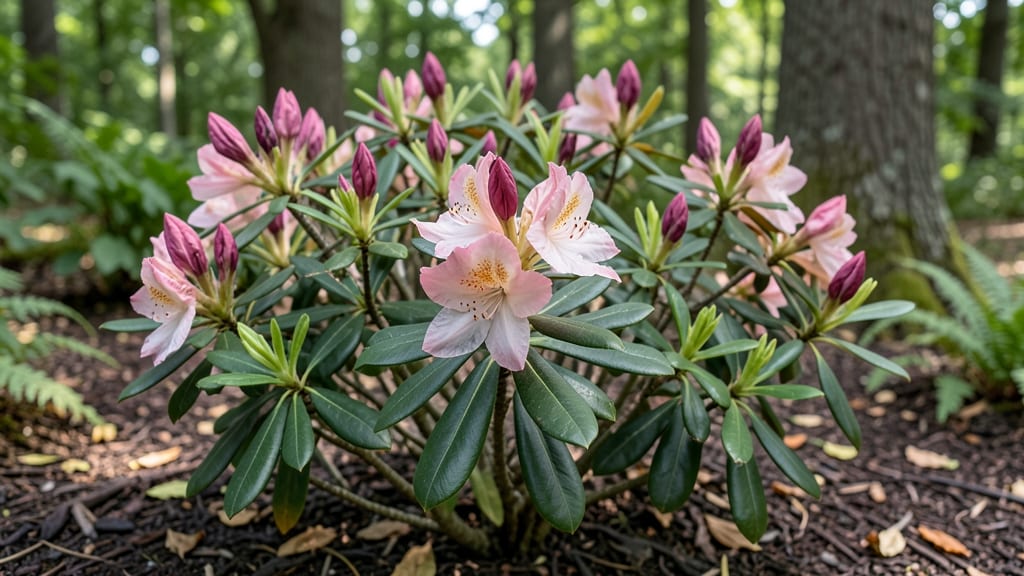
Only certain azalea varieties bloom three times a year, including 'Knock Out' and 'Encore,' which achieve this through strategic pruning, consistent seasonal care, and cooler weather triggers that restart their flowering cycles after the main spring bloom.
Most azaleas bloom just once a year, but reblooming varieties defy this rule through careful cultivation. 🌸 The secret lies in their genetic makeup—selective breeding has extended their natural flowering window by responding to temperature shifts and photoperiodism (daylight changes).
For example, 'Knock Out' azaleas produce summer and fall blooms because their buds form continuously when given the right conditions: well-draining soil, regular pruning after each bloom cycle, and protection from extreme heat. Without these steps, even reblooming types revert to single-season flowering.
What sets these varieties apart is their ability to produce secondary and tertiary flower buds after the initial spring flush.
This happens when cooler autumn temperatures signal the plant to restart its growth cycle. Pruning plays a critical role here—cutting back spent blooms in late summer encourages new growth that will flower again in fall and sometimes even winter, depending on your climate zone.
💡 In This Article
- How Reblooming Azalea Varieties Trigger Triple Flowering
- Best Reblooming Azalea Varieties for Year-Round Color
How reblooming azalea varieties trigger triple flowering
The triple-blooming phenomenon in azaleas starts with their unique hormonal response to seasonal changes. Unlike single-flush varieties, rebloomers like 'Encore' produce flower buds continuously when exposed to specific temperature drops—typically between 50-60°F in late summer or early fall.
This triggers a cascade of plant hormones, particularly gibberellins and cytokinins, which promote new growth and bud formation after the spring bloom cycle. Without these cooler triggers, the plant defaults to its natural single-season flowering pattern. 🌸
Photoperiodism—the plant's response to daylight length—plays a crucial role too. Reblooming azaleas have been selectively bred to interpret shorter autumn days as a signal to restart their growth cycle.
For instance, 'Knock Out' azaleas begin forming summer buds when daytime temperatures drop below 80°F and nighttime temperatures remain above 55°F. This creates a perfect window for secondary blooms in June-July, followed by a third flush in September-October when temperatures dip again.
The key is maintaining this delicate balance—too much heat or cold can disrupt the process.
Pruning becomes the critical human intervention in this cycle. After each bloom, removing spent flowers and light shaping of the plant redirects the azalea's energy toward new growth rather than seed production. This is why professional gardeners recommend pruning rebloomers immediately after the spring flush and again in late summer.
The timing matters: prune too early, and you risk cutting off potential summer buds; wait too long, and the plant may not have enough time to recover before the next bloom cycle. 💫
Soil and nutrition also influence this process. Reblooming azaleas thrive in acidic soil (pH 5.0-6.0) with consistent moisture but excellent drainage. A balanced fertilizer with higher phosphorus content (the middle number) encourages flowering, while potassium (the last number) supports overall plant health.
For example, a 10-10-10 fertilizer applied in early spring and again after summer blooms helps sustain the triple-flowering cycle. Without proper nutrition, even the hardiest varieties may produce weaker secondary blooms.
What most gardeners overlook is the role of dormancy. While azaleas don't require a full winter dormancy like some plants, they do benefit from a brief period of cooler temperatures to reset their growth cycle.
In warmer climates (zones 7-9), this might mean providing afternoon shade during heatwaves, while in cooler zones (5-6), protecting plants from early frosts becomes crucial. This temperature management is what allows varieties like 'Girard's Pink' to produce three distinct bloom periods in a single year.
The result of these combined factors is a plant that can produce three distinct bloom cycles: the main spring display, a summer rebloom, and often a fall flush. This isn't just about more flowers—it's about creating a continuous display of color that transforms gardens from seasonal bursts to year-round interest.
The science behind it reveals why reblooming azaleas require more attention than their single-flush counterparts, but the reward is well worth the effort for any gardener seeking vibrant color beyond spring. ✨