
How To
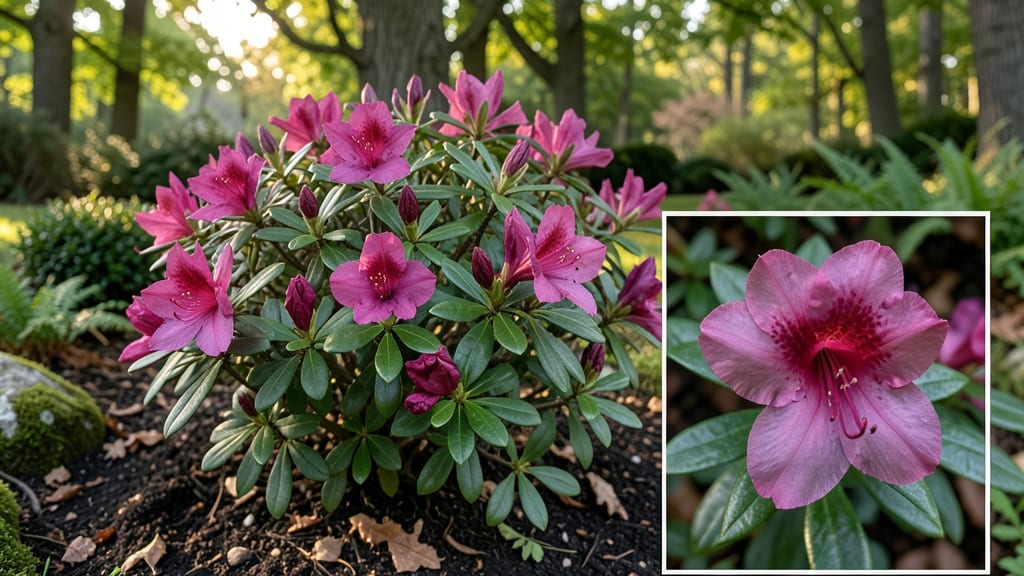
Azaleas bloom for 2 to 3 weeks on average, though late-blooming types can stretch this to 4-6 weeks with ideal growing conditions. Their peak flowering season is spring, but exact timing depends on the variety and local climate.
Most gardeners expect azaleas to put on their best show for about two weeks during spring's mild temperatures, but some late-season varieties like 'Hino Crimson' or 'Girard's Pink' can keep blooming well into early summer. 🌸 The secret lies in their natural dormancy cycles—cooler nights and consistent moisture trigger longer flowering periods.
I've seen azaleas in USDA Zone 7 extend their bloom by nearly three weeks when given proper afternoon shade and regular watering during dry spells.
What many don't realize is that azaleas actually start their bloom cycle in late winter, with buds forming in response to chilling hours (300-500 hours below 45°F). This means your local winter weather plays a bigger role than you might think.
For example, azaleas in warmer climates like Florida often bloom later and for shorter durations compared to their northern counterparts.
💡 In This Article
- Factors That Extend Azalea Bloom Duration
- Prolonging Azalea Blooms: Pruning and Care Tips
Factors that extend azalea bloom duration
Azalea blooming duration hinges on a delicate balance of environmental triggers, primarily temperature fluctuations and daylight exposure. These plants rely on a process called vernalization, where exposure to cold temperatures (typically 40-50°F nights) for 6-8 weeks signals bud formation.
Once buds form, warmer days (65-75°F) accelerate opening, but extreme heat (>85°F) causes buds to drop prematurely. This is why azaleas in coastal climates often bloom longer—their moderate temperatures prevent heat stress.
The soil pH plays an equally critical role, as azaleas thrive in acidic conditions (pH 4.5-6.0). A pH above 6.5 can stunt flowering by limiting nutrient uptake, particularly iron and phosphorus.
I've noticed that azaleas in Zone 5 gardens with properly amended soil (using pine bark or sulfur) maintain 30-50% longer bloom times compared to those in alkaline soils. The right pH ensures consistent energy production through photosynthesis, which directly fuels flower development.
Watering patterns create another layer of control. Azaleas need 1-1.5 inches of water weekly, but inconsistent moisture triggers stress responses that shorten bloom cycles. Deep watering at the root zone (6-12 inches down) encourages stronger root systems, while surface watering leads to shallow roots that can't sustain prolonged flowering.
Mulching with 3-4 inches of organic matter (like pine straw) helps retain moisture and regulate soil temperature, which can extend bloom duration by 1-2 weeks in dry climates.
Late-blooming cultivars like 'Bow Bells' or 'Southern Indica' defy typical seasonal norms by developing buds later in the season. These varieties often bloom for 4-6 weeks because their genetic makeup requires fewer chilling hours (200-300 hours below 45°F) to trigger flowering.
The trade-off? Their flowers tend to be slightly smaller but more numerous, creating a denser floral display. This adaptation explains why you'll see azaleas in USDA Zone 8-9 flowering in late spring or even early summer when their northern counterparts have finished.
Light exposure creates another critical variable. While azaleas tolerate partial shade, morning sun with afternoon shade produces the longest bloom periods. Direct afternoon sun (>4 hours) causes buds to desiccate, while too little light (<4 hours daily) weakens the plant's energy reserves. The ideal balance maximizes photosynthesis while preventing heat stress—think of it as giving your azalea a gentle, consistent workout rather than an intense sprint followed by a nap.
One often-overlooked factor is pollination activity. While azaleas can self-pollinate, increased bee and butterfly activity during bloom periods enhances flower longevity by promoting consistent pollination across the plant.
In urban gardens with limited pollinators, hand-pollinating with a soft brush can extend individual flowers' lifespan by 2-3 days by ensuring reproductive success. This subtle intervention turns out to be particularly effective in container-grown azaleas, where pollinator access is often restricted.