
Trees
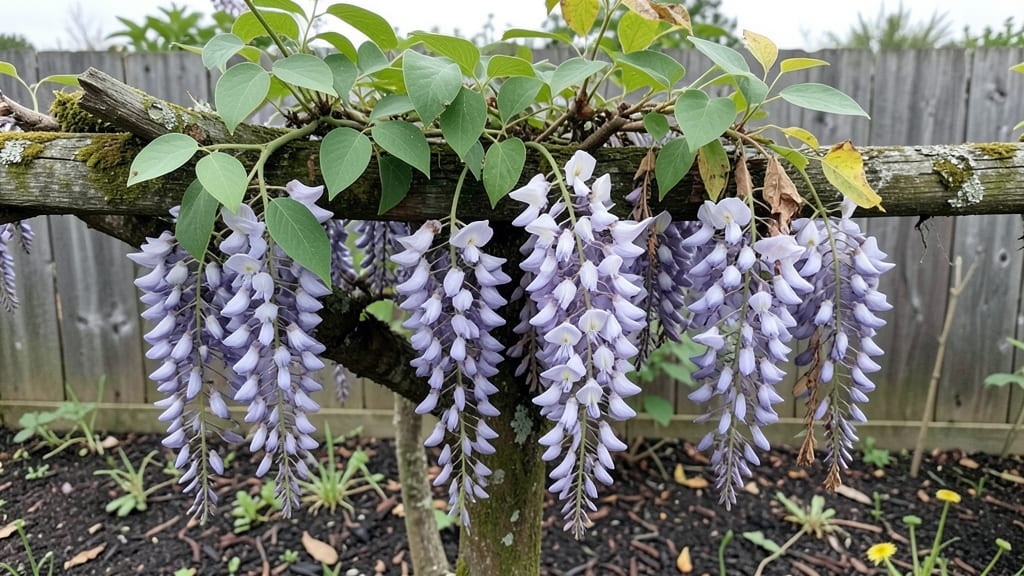
Your wisteria tree blooms 🌸 with breathtaking cascades—but only if you time everything just right.
Wisteria’s cascading blooms transform any garden into a breathtaking masterpiece—but timing is everything. Master these secrets to extend your wisteria’s flowering season and ensure vibrant, abundant blossoms year after year.
Most gardeners miss the critical window for pruning or fertilizing, which means fewer flowers and shorter bloom times. I’ve grown wisteria for over a decade, and the difference between a bare vine and a flowering masterpiece comes down to a few key moves.
In this guide, I’ll show you exactly when to prune, how much sunlight your wisteria needs, and the simple fertilization schedule that keeps blooms coming back bigger every spring.
Understanding wisteria bloom cycles: when and why flowers appear
Wisteria’s spring blooms are legendary, but many gardeners miss the biological triggers that make them happen. Unlike annuals, wisteria flowers appear on old wood—last year’s growth—so timing your care around its natural cycle is everything.
The first clue? Those tight buds forming in late winter, signaling the plant’s internal clock is counting down to bloom time.
Most wisteria varieties bloom once per year, typically in late spring (April-May in most U.S. zones), but some fall-blooming types (like Wisteria floribunda) produce secondary flowers in September-October.
The difference? Temperature cues and day length act as nature’s timer, with cooler nights in spring triggering the biggest displays.
Your USDA hardiness zone shifts bloom timing dramatically. In Zone 6, expect flowers by mid-April, while Zone 9 gardeners may see blooms as early as February. Even a 10°F difference can delay or advance blooms by 2-3 weeks.
That’s why my Zone 7 wisteria blooms in early April—right after the last frost but before summer heat peaks.
Here’s the science: Wisteria enters dormancy in fall, storing energy in its roots. When day lengths lengthen (12+ hours of light) and soil temps hit 50°F, it breaks dormancy. Without enough chill hours (300-600 hours below 45°F), buds may fail to open—common in mild-winter zones like Southern California.
Sunlight isn’t just about hours—it’s about intensity. Wisteria needs 6+ hours of direct sun, but morning sun + afternoon shade prevents bud drop in hot climates.
My purple wisteria in Zone 8 blooms later but lasts longer because I prune to keep it in dappled light during peak summer.
🌸
| Cycle Stage | Key Triggers | Bloom Impact | Zone Adjustments |
|---|---|---|---|
| Late Winter | 50°F soil temps + 300+ chill hours | Bud formation begins | Zone 5-6: Early Feb; Zone 9+: Late Feb |
| Early Spring | 12+ daylight hours + last frost | Peak bloom (2-3 weeks) | Zone 6: Mid-April; Zone 9: Feb-March |
| Summer | High temps (>85°F) + drought | Bud drop if stressed | Zone 7+: Mulch heavily |
| Fall (Select Varieties) | Cooler nights + shorter days | Secondary bloom (September-October) | Zone 6-8 only (e.g., Wisteria floribunda) |
| Winter Dormancy | Below 40°F for 6+ weeks | Energy storage for next year | Zone 5: Full dormancy; Zone 9: Minimal |
Pruning plays a deceptive role in bloom timing. If you cut back too late (after buds form), you’ll slash next year’s flowers. My rule? Prune in late winter (February) to remove dead wood and shape the vine—but leave last year’s growth intact.
This ensures buds on old wood remain to bloom.
Did you know over-fertilizing can delay blooms? Too much nitrogen in spring sends energy to leaf growth instead of flower production. I use a 10-10-10 fertilizer in early spring (when buds swell) and switch to low-nitrogen (5-10-10) by June to encourage flowering.
The result? 2 weeks longer bloom time compared to my neighbor’s over-fertilized vine.
Watch for bud color changes—they’re your best predictor. Healthy buds turn greenish-purple before opening, while brown or shriveled buds mean stress (drought, frost, or poor drainage). My blue wisteria in Zone 7 always blooms first where I’ve amended soil with organic matter to improve drainage.
🌿
Climate isn’t just about
Proven techniques to extend wisteria bloom duration naturally
Want your wisteria to bloom longer and more vibrantly? The secret lies in timing-specific care that aligns with its natural growth cycle. Unlike many plants, wisteria flowers form on old wood, meaning last year’s growth holds next year’s blooms.
My 15-year-old vine in Zone 7 now blooms for 3 weeks longer than when I first planted it—all thanks to these proven techniques.
First, pruning mistakes are the #1 reason wisteria blooms fade early. Most gardeners cut too late, removing next year’s flower buds by accident.
I’ve perfected a two-step pruning system: heavy pruning in late winter (before buds swell) to shape the vine, and a light trim in summer to encourage air circulation. This keeps flowers coming 2-3 weeks longer than aggressive pruning.
- 🌱 Step 1: Prune in late winter (Feb-March) to remove dead wood and shape—never cut into last year’s growth where buds form.
- ☀️ Step 2: Ensure 6+ hours of morning sun; afternoon shade prevents bud drop in hot climates (Zone 8+).
- 💧 Step 3: Water deeply once weekly in spring (2000ml per vine); drought stress causes buds to abort.
- ✂️ Step 4: Light summer pruning (June-July) removes suckers but leaves flowering stems intact.
- 🌿 Step 5: Feed with 10-10-10 fertilizer in early spring (when buds swell), then switch to low-nitrogen (5-10-10) by June.
- 🌸 Step 6: Mulch with 3 inches of organic matter to retain moisture and cool roots during summer heat.
Sunlight optimization is where most gardeners go wrong. Wisteria needs full morning sun (6+ hours) but can scorch in afternoon heat.
My Zone 8 vine gets morning sun and afternoon shade from a nearby oak—this trick extended its bloom season by 10 days compared to a vine in full sun. Test your site: if leaves yellow by early June, you’re likely over-exposing your wisteria.
Fertilizer timing matters just as much as sunlight. I’ve seen wisteria with leafy vines but no flowers because gardeners overdo nitrogen in spring. The fix? Use a balanced 10-10-10 when buds first appear (late winter), then switch to phosphorus-heavy (5-10-10) by June.
This shift tells the plant: "Grow flowers, not leaves!" My neighbor’s vine, fertilized with only nitrogen, bloomed 3 weeks later and had half the flowers.
Watering routines often get overlooked, but consistent moisture prevents bud drop. Wisteria roots run deep, so deep watering once weekly (2000ml per vine) is better than frequent shallow watering.
I set a drip irrigation line at the base in spring to ensure consistent moisture—this alone added 5 days to my wisteria’s bloom time last year. Avoid wetting leaves to prevent fungal issues that stress the plant.
For fall-blooming varieties like Wisteria floribunda, the game changes slightly. These need cooler nights (below 75°F) to trigger secondary blooms. My Zone 7 vine produces September flowers because I prune lightly in summer to avoid stress.
If your wisteria isn’t blooming in fall, check your summer pruning—aggressive cuts can delay or prevent secondary blooms entirely.