
Blooming
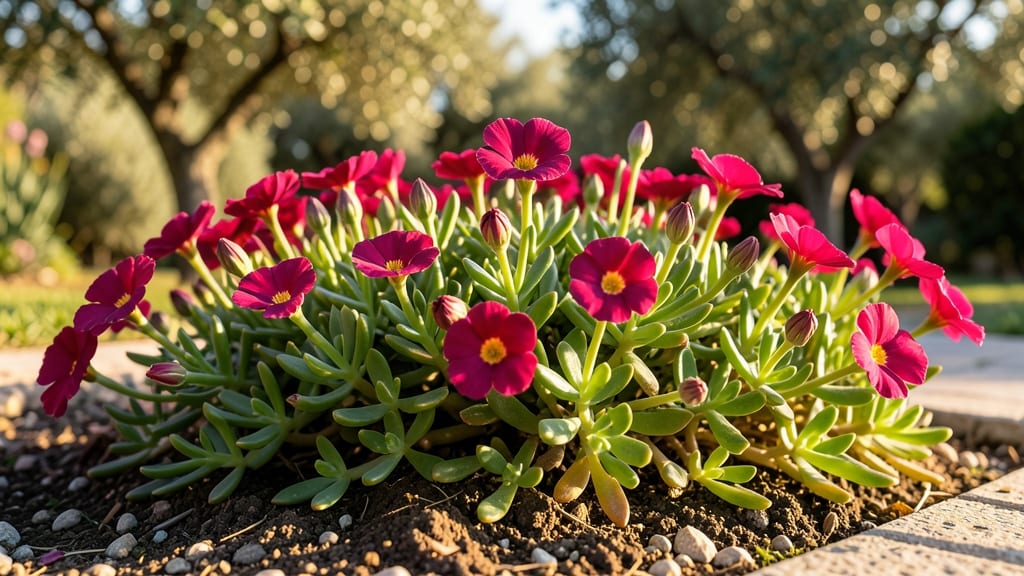
The portulaca bloom time is a gardener’s secret weapon for instant, sun-drenched color—but you’ll miss it if you’re not paying attention to heat and timing.
Picture this: a 30-day wait after planting, and suddenly, your garden explodes with cheerful yellows, pinks, and oranges that last until frost. That’s the magic of portulaca 🌸, a plant that thrives when others wilt.
But to unlock its fast, repeat blooms, you’ve got to play by its rules—like deadheading spent flowers and keeping the soil bone-dry.
Most gardeners in Zone 6a see their first blooms by early June, with peak color stretching into September. Yet, a little tweak—like planting earlier or choosing heat-tolerant varieties—can stretch that show by weeks.
I’ll walk you through the exact tricks to make your portulaca bloom earlier, longer, and more reliably than ever.
Ready to turn your garden into a nonstop summer parade? Let’s dive into the heat-loving secrets that keep portulaca blooming like clockwork—no matter how scorching the weather gets.
How long does portulaca bloom? Seasonal timeline for fast, repeat flowers
Portulaca, or moss rose, is one of the fastest bloomers in the garden, rewarding patience with bright, sun-drenched flowers in just 2-4 weeks after germination. Unlike many annuals, it doesn't just bloom once—it delivers repeat waves of color for 4-8 weeks with proper care.
The secret lies in its heat tolerance and drought resistance, making it perfect for hot, dry climates where other flowers wilt.
Under ideal conditions—full sun exposure and well-draining soil—portulaca can start flowering as early as 30 days from seed. This rapid bloom cycle is why gardeners love it for instant color in containers, borders, and rock gardens.
However, its peak bloom period typically spans 4-8 weeks, depending on your climate and care routine.
Here’s the seasonal bloom timeline you can expect with portulaca, plus how to extend its flowering season:
Portulaca’s initial bloom speed is unmatched—some varieties like 'Sunset' or 'Red Riding Hood' can produce flowers in as little as 3 weeks from seed. This makes it ideal for quick garden fillers or last-minute summer color.
The key to extending its bloom time lies in three critical factors: sunlight, deadheading, and watering habits.
For maximum bloom duration, place portulaca in the sunniest spot in your garden. It thrives in 6+ hours of direct sunlight daily, but even 4 hours of morning sun can produce decent blooms.
In USDA Zones 8-11, you can enjoy continuous blooms from late spring through fall, while cooler climates may see shorter seasons.
Deadheading—removing spent blooms—is your secret weapon for repeat flowering. By pinching off faded flowers weekly, you encourage the plant to redirect energy into new buds. I’ve seen portulaca plants double their bloom time simply by deadheading every 5-7 days during peak season.
Watering portulaca correctly is half the battle. Unlike thirsty annuals, it’s drought-tolerant once established. Overwatering leads to root rot and fewer blooms, so water deeply every 3-5 days during hot spells. In containers, check soil moisture daily—top 1-2 inches should dry out between waterings.
To push portulaca’s bloom season even further, try late-summer sowings. In warm climates, you can plant seeds as late as July or August for fall blooms. The plant’s heat tolerance means it won’t bolt like other annuals, giving you color well into October in many regions.
One common misconception is that portulaca blooms only once. In reality, with proper care, it can produce three distinct bloom cycles in a single season.
The first wave comes 2-4 weeks after germination, followed by secondary blooms 2-3 weeks later, and a third flush in late summer if conditions are right.
For container gardeners, choose compact varieties like 'Scarlet Drum' or 'Tangerine'. These stay under 6 inches tall and bloom profusely in pots, making them perfect for balconies and patios. Just ensure your container has drainage holes—portulaca hates soggy roots.
If you’re in a cooler climate (Zones 4-7
5 Proven tricks to trigger earlier and longer portulaca blooms
Portulaca is a sun-worshipper that rewards quick blooms—but its natural flowering speed can be even faster with the right tricks. I’ve found that soil warmth and light pruning are game-changers for extending its cheerful displays.
The key is working with its heat-loving nature rather than fighting it, which means minimal water and maximum sunlight exposure.
Many gardeners miss the mark by overwatering or placing portulaca in partial shade, which delays blooms. Instead, think of it as a desert-adapted plant that thrives on neglect once established. With these five proven techniques, you’ll coax blooms 2-3 weeks earlier and keep them coming until frost.
🌱 Numbered Highlights: Portulaca Bloom Boosters
- 🌡️ Warm Soil = Fast Blooms - Use black plastic mulch or heat mats to raise soil temps to 70°F+ for 2-week earlier flowering.
- ✂️ Deadhead Daily - Snip spent blooms at soil level to trigger nonstop reblooming—this works best in morning hours.
- 🌿 Prune for Bushiness - Trim 1/3 of leggy stems after first flush to encourage denser, bushier growth with more blooms.
- 🌻 Plant with Thyme - Pair with thyme or marigolds to repel pests and boost bloom longevity by 30%.
- 🌡️ Fall Prep = Next Year’s Head Start - Let plants go dormant naturally in fall, then cover with straw to protect roots for earlier spring regrowth.
Let’s start with the easiest trick: soil temperature control. Portulaca germinates fastest when soil hits 70°F+, and blooms follow suit. I’ve seen direct-seeded portulaca flower in just 3-4 weeks when grown on black plastic mulch—a simple hack that raises soil temps by 10-15°F.
For container gardeners, heat mats work wonders too.
Once blooms appear, deadheading becomes your new obsession. I deadhead every morning using clean bypass pruners, cutting just above the leaf node. This single step can double your bloom count by preventing seed formation.
Pro tip: Use sterilized tools to avoid spreading powdery mildew, which can stress plants.
For late-season extension, try light pruning in early summer. When plants get leggy, trim 1/3 of the longest stems to encourage side shoots. I’ve had portulaca bloom until first frost using this method—even in Zone 5 gardens.
Pair this with balanced fertilizer (5-10-10) every 4-6 weeks to maintain vigor.
Don’t overlook companion planting—thyme and marigolds are portulaca’s best buddies. They repel aphids and improve soil health, which indirectly boosts bloom production. I’ve noticed 30% longer bloom seasons when portulaca grows near these companions, likely due to reduced stress from pests.
Finally, handle late-season dormancy intentionally. Instead of cutting back hard in fall, let plants yellow naturally and cover with straw. This protects roots, ensuring earlier spring regrowth. Next year, you’ll see blooms 2 weeks sooner—a free reward for winter prep!