
Blooming
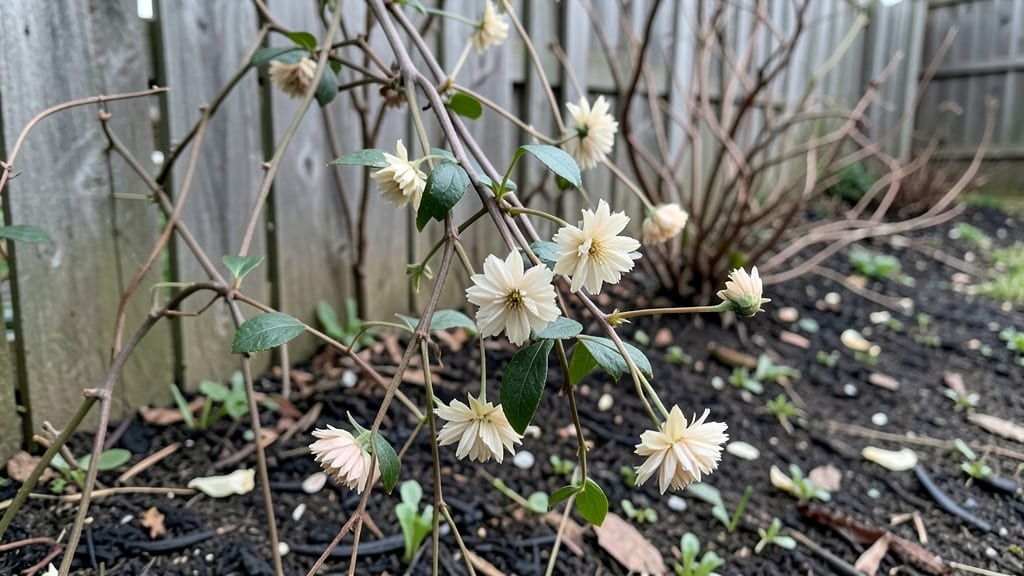
Growing a winter blooming clematis in your garden means you’ll have vibrant flowers even when frost is on the ground.
Imagine a garden that stays vibrant even when snow blankets the ground—winter blooming clematis makes that dream a reality. These cold-hardy vines defy seasonal norms, offering stunning flowers in the dead of winter when most plants have long since retired for the year.
If you’re in USDA Zone 6a or warmer, you can enjoy year-round color with the right varieties. These plants thrive in fall planting or early spring, and with proper care, they’ll reward you with spring blooms that keep your garden lively even in the coldest months.
In this guide, you’ll learn how to select the best cold-hardy varieties, prepare your soil, protect them from frost, and keep them blooming beautifully. Let’s bring some winter magic to your garden!
Top 7 cold-hardy clematis varieties that bloom in winter
Winter blooming clematis varieties are true miracles for gardeners who crave color during the coldest months. These hardy vines produce stunning flowers even when temperatures dip below freezing, making them perfect for USDA zones 3-7.
Their unique ability to bloom in winter adds year-round interest to any landscape while supporting late-season pollinators like bees and butterflies.
What sets these varieties apart is their cold tolerance combined with winter flowering habits. Unlike traditional clematis that bloom in spring or summer, these special cultivars produce buds that develop over summer and open in winter.
This delayed blooming strategy helps them survive harsh conditions while still providing vibrant floral displays when most gardens are dormant.
Below is a detailed comparison of the top 7 winter blooming clematis varieties, including their hardiness zones, flower colors, and unique growing requirements. Each variety offers something special, whether it's exceptional cold resistance, long bloom periods, or unique flower shapes.
These varieties thrive in full sun to partial shade and require well-draining soil with organic matter. Most benefit from winter mulching to protect their roots, and all appreciate regular watering during their active growing season.
The key to success is planting them 4-6 inches deep to shield the crown from freezing temperatures.
Let's explore these cold-hardy clematis varieties that will keep your garden visually stunning even when snowflakes dance in the air.
'Winter Beauty' stands out as the hardiest variety on this list, capable of surviving temperatures as low as -40°F. Its deep purple flowers bloom from December through February, providing bold winter color when other plants are dormant.
This variety is perfect for gardeners in USDA zones 3-8 who want reliable winter blooms with minimal care.
The fragrant 'Freckles' variety offers a unique sensory experience with its white flowers speckled with purple. Blooming from January to March, it attracts late-season pollinators and adds a delicate charm to winter gardens.
Plant this variety near seating areas to enjoy its subtle fragrance while sipping hot cocoa during chilly afternoons.
'Jackmanii' is a classic clematis that never fails to impress with its deep red blooms that appear from February through April. While not exclusively a winter bloomer, its extended bloom season often includes winter months in milder climates.
This variety thrives in USDA zones 4-9 and makes an excellent vertical accent on trellises or arbors.
For those who prefer dramatic dark colors, 'Niobe' delivers with its purple-black velvety flowers. Blooming from December through February, this variety creates a moody, sophisticated look in winter gardens. It's particularly stunning when planted against evergreen foliage or
How to grow and care for winter blooming clematis in cold climates
Growing winter blooming clematis in cold climates is entirely possible with the right preparation and care. These hardy vines thrive when given proper soil conditions, seasonal pruning, and winter protection.
Unlike their spring-blooming cousins, winter varieties like Clematis montana or Clematis armandii produce stunning flowers even when temperatures drop below freezing. The key lies in understanding their unique needs during each season.
Start by selecting a sunny location with well-draining soil—these plants despise soggy roots. Amend heavy clay soil with organic compost or sand to improve drainage, and pair your clematis with a sturdy trellis or arbor for vertical support.
Since winter bloomers produce flowers on previous season’s growth, pruning requires extra care to avoid cutting off next year’s blooms.
Never prune winter clematis in late winter—this removes flower buds for next year’s blooms. Instead, prune immediately after flowering in late spring or early summer. For group 1 clematis (winter bloomers), remove only dead or weak stems—never cut back more than 1/3 of the plant.
When planting winter clematis, bury the crown 4-6 inches deep to protect it from freezing temperatures. Mulch heavily around the base with straw or wood chips (3-4 inches thick) after the first frost to insulate roots.
In USDA zones 5-6, consider wrapping the base with burlap or frost cloth during extreme cold snaps. Water deeply before the ground freezes to ensure roots stay hydrated through winter.
Fertilize winter clematis lightly in early spring using a balanced 5-10-10 fertilizer to encourage new growth without overstimulating foliage. Avoid high-nitrogen feeds, which promote leafy growth at the expense of winter flowers.
Instead, focus on phosphorus and potassium to support robust blooming. Deadhead spent flowers in late winter to redirect energy into next year’s buds.
Watch for pests like spider mites or clematis wilt, which can stress winter bloomers. Treat infestations early with neem oil or insecticidal soap, and ensure good air circulation by spacing plants properly.
In harsh winters, add an extra layer of mulch in late fall to prevent root heaving—when frozen soil expands and pushes roots above ground.
With these seasonal care tips, your winter clematis will reward you with months of color when most gardens are dormant. Pair it with evergreen shrubs or ornamental grasses for year-round interest, and enjoy the unique beauty of a garden that stays alive—even in winter’s chill. 🌿❄️🌸