
Blooming
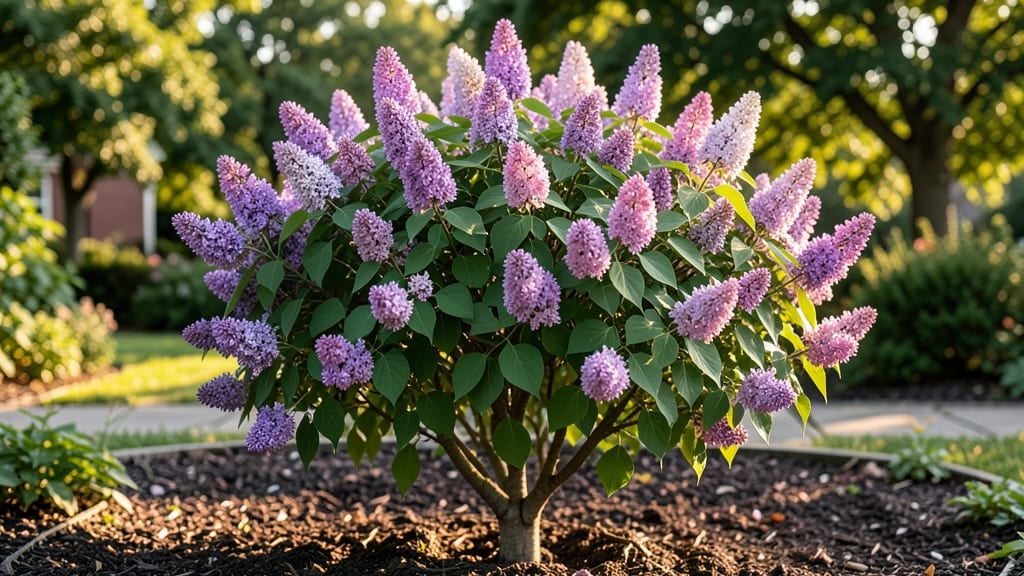
Lilacs in Minnesota bloom late spring, typically between mid-May and early June, when the soil warms and frost risks fade—but timing shifts with variety, location, and last winter’s chill.
If you’ve ever caught the sweet scent of lilacs drifting through a Minnesota spring, you know how magical—and fleeting—their blooming season can be. But timing varies wildly depending on the variety, microclimate, and even last winter’s snowfall.
In Minnesota’s USDA Zones 3b-5a, lilacs like 'Katherine Havemeyer' often bloom first, followed by hardier types like 'Purple Robe'. A late frost can delay blooms by weeks, while a warm April might trigger early buds—so planting in fall (September-October) gives roots time to establish before winter.
Below, I’ll break down the exact blooming windows by variety, how to predict your lilacs’ schedule, and 5 care tips to extend their fragrant season—because in Minnesota, you want every second of that 🌸 magic to count.
Minnesota lilac blooming timeline: month-by-month expectations by variety
Minnesota’s lilacs are legendary for their hardiness and intoxicating fragrance, but their blooming windows can shift dramatically based on variety, microclimate, and late frost risks.
In the Twin Cities (Zone 4b), lilacs typically bloom between mid-May and early June, while northern forests (Zone 3b) may see blooms delayed until late May or early June due to colder springs.
Even within the same yard, southern exposures can trigger blooms 1–2 weeks earlier than shaded areas. Last winter’s snow depth also plays a role—deep snow insulates roots, while winter thaw cycles can wake buds prematurely, making them vulnerable to late spring frosts (common until mid-May).
Below is a month-by-month breakdown of when to expect blooms from Minnesota’s most popular lilac varieties, including early bloomers like 'Katherine Havemeyer' and late-season stars such as 'Purple Robe.' Use this as your guide to plan pruning, photography sessions, or simply enjoy the show!
If you’re in Zone 3b (e.g., Duluth or Grand Rapids), expect blooms to arrive 7–10 days later than the Twin Cities due to cooler springs.
For example, 'Katherine Havemeyer' might not hit peak bloom until early June in northern Minnesota, while 'Dwarf Korean' could start as early as mid-May in sheltered microclimates.
Pro tip: Monitor your local MN State Climatology Office for chilling hour updates—lilacs need 500–1,000 hours below 45°F to set buds properly. A warm winter can delay blooming, while a cold snap in April might shock buds open prematurely, risking frost damage.
To protect late bloomers like 'Miss Canada,' consider planting them near south-facing walls or using frost cloth if a late frost is forecasted. Even a 10-minute cold snap below 28°F can ruin open buds, so keep an eye on the National Weather Service alerts in May.
Once blooms arrive, enjoy them for 7–14 days—lilacs are short-lived but spectacular. Prune immediately after flowering to encourage next year’s blooms, and mulch heavily to insulate roots for winter. With the right variety and care, your Minnesota lilacs will reward you with years of fragrant blooms!
🌸
How Minnesota’s weather triggers lilac blooming (and when to plant for best results)
Minnesota’s unpredictable spring weather can make lilac blooming feel like a guessing game. But your lilacs actually follow a scientific schedule tied to chilling hours and spring warmth thresholds. Understanding these triggers helps you predict blooms—and plant at the perfect time for maximum fragrance.
The key is USDA Zone 3-4 conditions, where lilacs need at least 1,500 chilling hours below 45°F to break dormancy. Once temperatures consistently stay above 50°F for 5-7 days, buds swell and bloom. Northern Minnesota’s colder microclimates may delay blooms by 1-2 weeks compared to the Twin Cities.
🌸 5 Weather Triggers That Control Lilac Blooming in Minnesota
- 🌡️ 1,500+ chilling hours below 45°F (critical for dormancy release). Minnesota’s winters easily meet this!
- ☀️ Consistent 50°F+ days for 5-7 days (signals buds to open). Watch for last spring frost dates!
- 🌧️ Spring rainfall timing—too early can rot buds; too late delays blooms. Ideal: steady moisture after buds swell.
- 🌬️ Wind exposure—sheltered lilacs bloom 2 weeks earlier than exposed ones. Plant near fences for protection.
- 🌱 Soil temperature above 55°F triggers root activity. Test with a soil thermometer for accuracy.
📌 Pro Tip: Use a bloom predictor like the USDA Plant Hardiness Zone Map to estimate your lilacs’ schedule.
For best planting results, aim for September-October when soil temps drop below 60°F. This gives roots time to establish before winter, ensuring earlier blooms next spring.
Early bloomers like 'Katherine Havemeyer' often open by late May, while late varieties like 'Purple Robe' may wait until early June.
Planting too late in fall (after November) risks winter heaving, while spring planting (after March) can stress lilacs during their critical root-growth window. Always choose a south-facing location with 6+ hours of sun to maximize blooming potential.
Minnesota’s microclimates play a huge role—urban areas like Minneapolis-St. Paul (Zone 4b) often see lilacs bloom 7-10 days earlier than rural Zone 3 areas. If you’re in the North Shore, expect delays due to cooler lake breezes and later frost dates.
To extend your lilacs’ blooming season, prune immediately after flowering and avoid heavy summer fertilizing. This encourages next year’s buds to form earlier. With the right timing and care, your Minnesota lilacs will reward you with weeks of fragrant blooms—just in time for summer’s arrival! 🌸