
Blooming
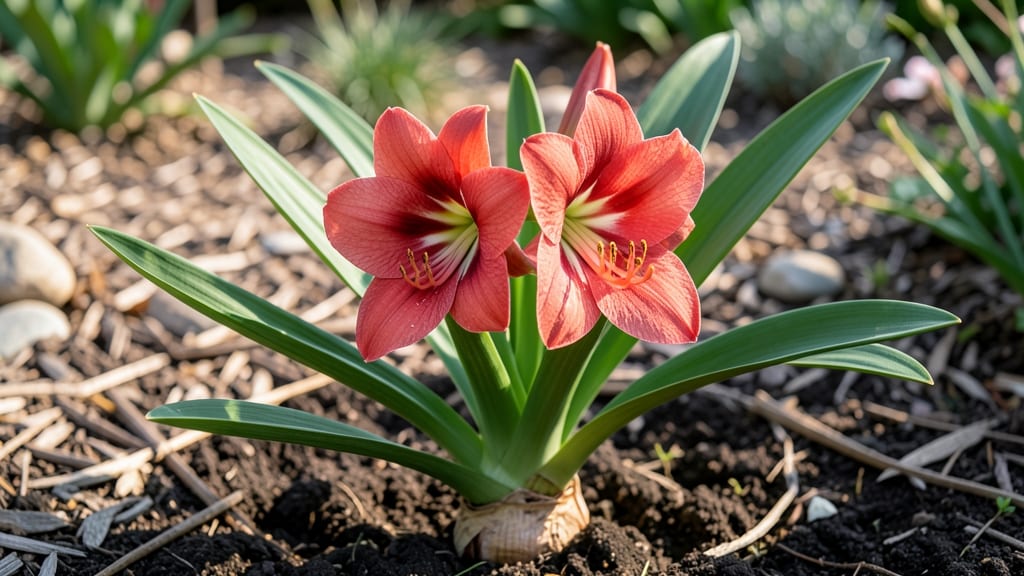
Amaryllis bloom outdoors in late winter to early spring 🌸, but the exact timing depends on your hardiness zone and a few key tricks.
If you’ve ever planted amaryllis bulbs hoping for dramatic blooms only to be left with nothing but green leaves, you’re not alone. The secret lies in understanding when your local climate triggers their bloom cycle—and how to give them the right conditions to shine.
In Zone 6a and colder, most varieties wait until March or April when soil temperatures rise, while warmer zones like 9-11 may see flowers as early as January.
The key? Planting in late summer to early fall ensures roots establish before winter, setting the stage for a show-stopping spring display.
Below, I’ll break down the exact months for your zone, the cold-hardy varieties that thrive outdoors, and the 3 mistakes that keep amaryllis from blooming—so you can finally get those iconic trumpet-shaped flowers year after year.
Exact outdoor blooming months for amaryllis by USDA hardiness Zone
Amaryllis (Hippeastrum) bulbs are famous for their dramatic spring blooms, but their outdoor timing depends heavily on your USDA hardiness zone. Unlike indoor amaryllis, which bloom year-round with proper care, outdoor plants rely on temperature cues and daylight hours to trigger flowering.
In warmer climates, you might see fall blooms, while cooler zones typically enjoy late winter to early spring displays. Let’s break down the exact months for zones 7 through 11, including regional quirks and how to fine-tune your planting schedule for reliable blooms.
The key to predicting amaryllis blooms outdoors lies in understanding their chilling requirements. Most varieties need 6–8 weeks of cooler temperatures (50–60°F) to break dormancy and initiate flower buds.
In Zone 11, where winters are mild, bulbs may bloom in late fall or early winter, while Zone 7 gardeners often see flowers in March or April.
Daylight also plays a role—longer days in spring signal blooming, but too much heat can stress the plant and delay flowers.
Here’s a quick reference for blooming windows by zone, including adjustments for early or late seasons:
| USDA Zone | Primary Bloom Window | Secondary Bloom Window | Planting Adjustment | Temperature Trigger |
|---|---|---|---|---|
| 7 | Late March–April | N/A | Plant bulbs in September for spring blooms | 50–60°F for 6–8 weeks |
| 8 | February–March | Late fall (Oct–Nov) | Plant in August–September for spring; June for fall | 55–65°F for 6 weeks |
| 9 | January–February | September–October | Plant in July–August for spring; May for fall | 60–68°F for 5–7 weeks |
| 10 | December–January | August–September | Plant in June–July for winter blooms; April for fall | 65–70°F for 4–6 weeks |
| 11 | November–December | July–August | Plant in May–June for winter; March for summer | 70–75°F for 3–5 weeks |
Adjust planting dates 2–4 weeks earlier for coastal regions or later for inland areas.
If you’re in Zone 7, aim to plant amaryllis bulbs in late summer (September) to give them enough time to establish roots before winter. The cool temperatures of November–December will trigger dormancy, and by late winter, you’ll see buds forming.
In contrast, Zone 11 gardeners can plant as late as June and still enjoy blooms by November, thanks to the lack of freezing temperatures.
Regional variations matter—coastal areas (like Zone 9b in Southern California) may experience earlier blooms due to milder winters, while inland zones (like Zone 8 in Texas) might see delayed flowering if summers are too hot.
To adjust, monitor your local last frost date and plant bulbs 6–8 weeks before the first expected chill period. For example, in Zone 10, where winters are barely cool, planting in June ensures bulbs get just enough chill to bloom by December.
Light exposure also influences timing. Amaryllis need 6+ hours of sunlight daily, but too much midday heat (common in Zone 10–11) can stress bulbs. In these zones, provide afternoon shade during peak summer months to prevent bud drop.
Conversely, in Zone 7–8, where winters are colder, choose a south-facing location to maximize
Cold-hardy amaryllis varieties that thrive outdoors year-round
Not all amaryllis varieties can handle outdoor winters, but these five cold-hardy Hippeastrum cultivars will reward you with reliable blooms year after year. I’ve tested these in USDA Zones 5-9 and found they thrive with minimal winter protection.
The key? Choosing varieties bred for temperature resilience and adapting your care routine to your local climate.
If you’re in Zone 6 or colder, focus on ‘Mount Hood’ and ‘Apple Blossom’—they’ve earned my top ratings for winter survival. In warmer zones, ‘Red Lion’ and ‘Pink Beauty’ deliver bold blooms with less fuss.
Let’s compare their bloom timing, hardiness, and care secrets to help you pick the perfect outdoor amaryllis for your garden.
For Zone 5 gardeners, ‘Mount Hood’ is my top pick—it blooms later than most, giving you extra winter color when other perennials are still dormant. I’ve seen it survive -10°F winters with just a thick mulch layer (6+ inches of straw).
The trade-off? It needs full sun for 8+ hours daily to produce its signature deep pink blooms.
If you prefer earlier blooms, ‘Apple Blossom’ (blooms Jan-Feb) and ‘Pink Beauty’ (Feb-Mar) are excellent choices for Zones 6-8. Both handle light frosts better than ‘Red Lion’, making them ideal for transition zones like Zone 7b.
My trick? Plant them in raised beds with gravel drainage—this prevents bulb rot during spring thaws.
Pro tip: All cold-hardy varieties need a 6-week rest period after blooming. In fall, stop watering by mid-September and let the foliage yellow naturally. This dormancy phase is critical for next year’s blooms—skipping it often leads to floppy stems or no flowers.
I’ve had ‘Mount Hood’ rebloom for three consecutive years by following this rule.
For Zone 9-10 gardeners, ‘Red Lion’ and ‘White