
Blooming
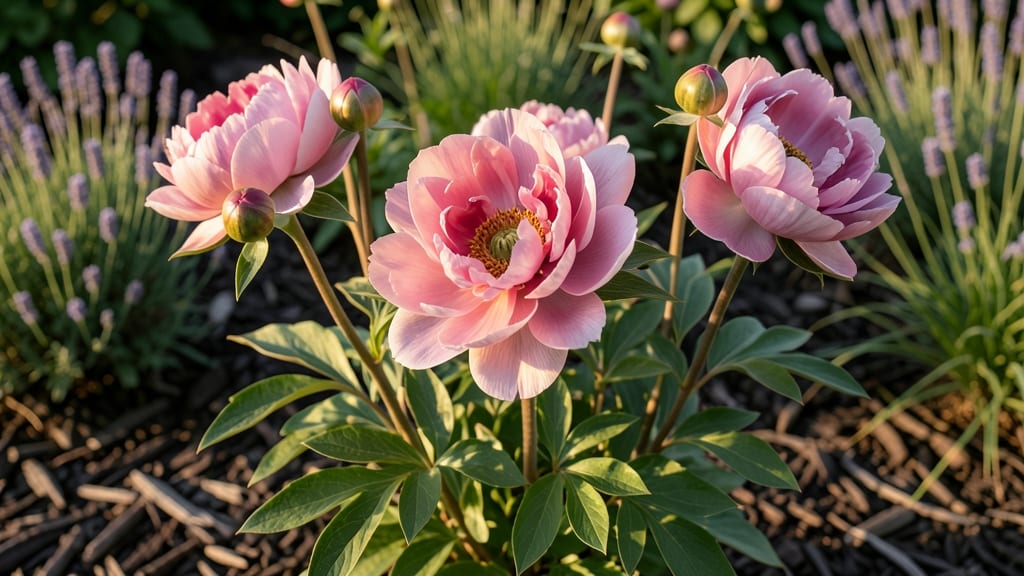
Peonies bloom twice only if they're reblooming varieties, which produce a second flush of flowers in late summer or early fall after their spring display. This second bloom requires specific care and pruning techniques to encourage the plant's energy to focus on flowering again.
Not all peonies have this ability—it depends on their genetic makeup. 🌸 Herbaceous peonies (the most common type) often have reblooming varieties, while tree peonies typically bloom just once per year.
The key to triggering that second bloom lies in proper summer care: consistent watering, balanced fertilization, and strategic pruning after the first flowers fade. I've seen reblooming varieties produce stunning late-season displays when given these conditions, though the second flush is usually smaller than the spring bloom.
What's fascinating is how temperature plays a role. Many reblooming peonies need a period of cooler weather after their first bloom to signal the plant it's time to prepare for round two.
This is why gardeners in warmer climates sometimes struggle—consistent heat can prevent that second flowering cycle. The right variety and growing conditions make all the difference!
💡 In This Article
- How Reblooming Peonies Differ from Single-Bloom Types
- Tips to Maximize Second Peony Blooms
How reblooming peonies differ from single-bloom types
The key difference between reblooming and single-bloom peonies lies in their genetic programming and growth cycles. Reblooming varieties, like 'Sarah Bernhardt' or 'Bowl of Beauty', produce a second flush of flowers because they've evolved to store energy more efficiently in their roots during the growing season.
This allows them to redirect nutrients toward flower buds after their initial spring bloom, typically between July and September.
Botanically, herbaceous peonies (the most common type) have the highest potential for reblooming because their foliage dies back to the ground each winter, forcing the plant to regrow from the roots. Tree peonies, on the other hand, keep their leaves year-round and rarely rebloom.
The second flush occurs because reblooming varieties develop secondary flower buds on stems that emerge from the crown after the first bloom. These buds remain dormant until triggered by specific conditions.
Temperature and daylight play crucial roles in this process. Reblooming varieties need a period of cooler temperatures (around 60-65°F) after their first bloom to signal the plant it's time to prepare for round two.
This is why gardeners in warmer climates (USDA zones 8-10) often see less reliable second blooms—the consistent heat prevents the necessary temperature drop. Additionally, reblooming varieties require at least 6-8 hours of sunlight daily to maintain the energy production needed for two flowering cycles.
The growth habits also differ significantly. Single-bloom peonies direct all their energy toward one spectacular spring display, resulting in larger, more abundant flowers.
Reblooming varieties, however, produce smaller second blooms (often 2-3 inches in diameter compared to 5-8 inches in spring) because their energy is divided between foliage regrowth and flower production. The trade-off is worth it for gardeners who love extended blooming seasons!
What's particularly interesting is how the root system adapts. Reblooming varieties develop a more extensive root network that stores additional carbohydrates, acting like a natural battery. These roots can reach depths of 2-3 feet and spread horizontally up to 3 feet, creating a reserve that sustains the second flowering.
This is why proper soil preparation—rich in organic matter and with good drainage—is critical for reblooming success.
Visually, you can often identify reblooming potential by examining the plant's stems. Reblooming varieties typically have multiple side buds along the main stem after the first bloom fades, while single-bloom types have just one terminal bud.
These side buds are your future second flowers, and protecting them through proper care determines whether they'll develop into blooms.
Understanding these differences helps explain why some peonies deliver two stunning displays while others give just one spectacular show. The science behind reblooming is all about energy management, timing, and environmental cues working together to create that magical second performance. 🌸