
Blooming
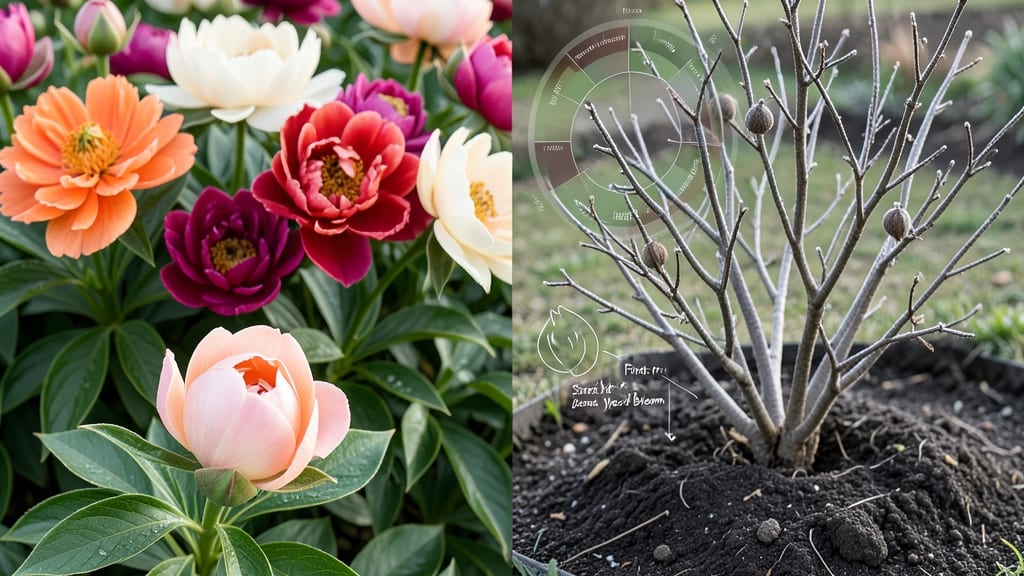
Peonies don't bloom every year—they typically produce flowers just once annually, though reblooming varieties may yield a second, smaller bloom cycle in late summer. Consistent care and patience are essential for encouraging their flowering potential over time.
Peonies follow a natural dormancy cycle that determines their blooming schedule.
Most varieties focus their energy on one spectacular spring display, while rebloomers like 'Sarah Bernhardt' or 'Bowl of Beauty' can surprise you with a second, smaller flush in late summer. 🌸 The key to encouraging blooms lies in providing well-draining soil, full sun exposure (at least 6-8 hours daily), and proper fertilization during their growing season.
Younger plants often need 2-3 years to establish strong roots before they'll reliably bloom.
What many gardeners overlook is that peonies actually need a period of dormancy to reset their energy reserves. If you see lush foliage but no flowers, it could signal over-fertilization with nitrogen (which promotes leaves) or insufficient sunlight.
The good news? With the right care, even non-reblooming varieties can develop stronger blooms each year, rewarding your patience with stunning floral displays.
💡 In This Article
- Why Peonies Skip Blooming and How to Encourage Flowering
- Best Reblooming Peony Varieties for Year-Round Color
Why peonies skip blooming and how to encourage flowering
Peonies follow a strict biological rhythm tied to their natural dormancy cycle. Most varieties enter a period of rest after their spring bloom, storing energy in their roots for the following year. This dormancy is crucial—they need 6-8 weeks of cooler temperatures (below 60°F) to reset their growth hormones.
Without this rest, peonies may produce foliage but skip flowering entirely, as their energy gets diverted to root and leaf growth instead of flower buds.
The age of your peony plays a massive role—young plants often need 2-3 years to establish strong root systems before they'll reliably bloom.
Even mature plants may skip a year if stressed by poor soil drainage, insufficient sunlight (6+ hours of direct sun daily), or over-fertilization with nitrogen-heavy feeds.
The science here is fascinating: peonies produce flower buds in the previous summer, so what you see blooming in spring was actually decided months earlier!
Diagnosing a non-blooming peony starts with checking these key factors: soil pH (ideal is 6.5-7.0), sunlight exposure, and fertilization balance. Too much nitrogen creates lush leaves but no flowers—switch to a low-nitrogen, high-phosphorus fertilizer (10-20-10 ratio) in early spring to encourage blooming.
Deadheading spent blooms (removing flowers after they fade) can also redirect energy toward next year's buds.
Here's what's actually happening underground: peony roots contain specialized cells that store starches during dormancy. When conditions are right (proper chilling + spring warmth), these starches convert into sugars that fuel flower bud development.
The process is similar to how fruit trees need winter chilling hours to bloom—peonies just require a gentler version of this cycle.
Reblooming varieties like 'Sarah Bernhardt' or 'Bowl of Beauty' can produce a second flush because they've been selectively bred to have stronger energy reserves.
However, even these need consistent care: remove the first bloom completely (not just the flower head) to encourage a second attempt, and avoid cutting back foliage until it yellows naturally in fall. The trade-off is worth it—you'll get that second, smaller bloom in late summer!
What most gardeners don't realize is that peonies actually prefer slightly crowded conditions. Planting them 12-18 inches apart creates competition that forces them to grow stronger roots and more robust blooms. Over time, this competition helps them develop the energy reserves needed for reliable annual flowering.