
Blooming
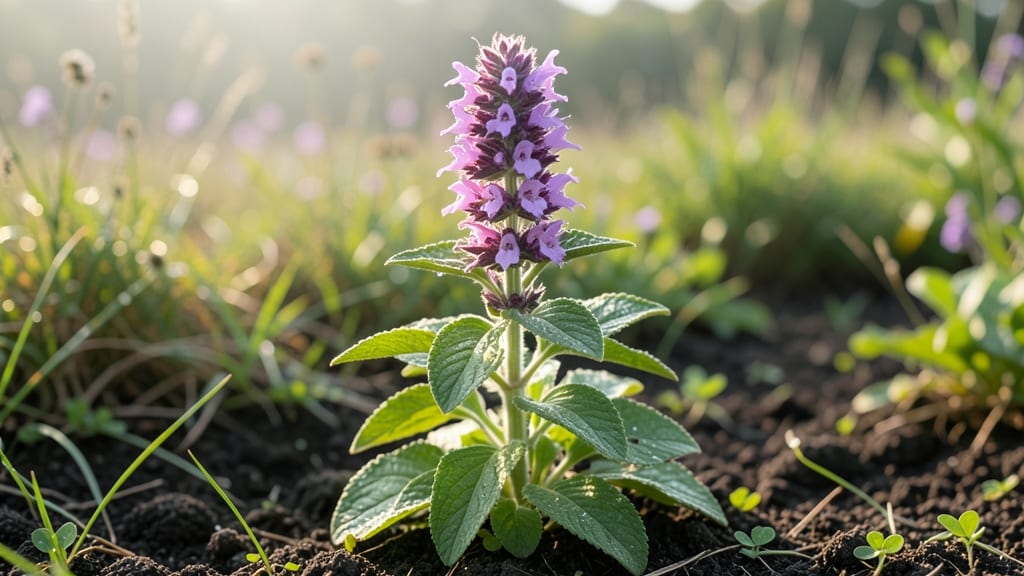
Wild bergamot bloom time bursts into fragrant purple clouds when summer heat finally arrives—usually between mid-July and early September in most regions. 🌿 I’ve watched mine wait patiently until the soil warms to 75°F, then explode with blooms that attract bees for miles.
The exact timing shifts with your zone: Zone 5 gardens see blooms 2-3 weeks later than Zone 8, while coastal areas may flower earlier thanks to milder summers.
The secret to coaxing early blooms lies in full sun and well-draining soil—bergamot hates soggy roots. Plant it where it gets 6+ hours of direct light daily, and avoid rich compost (it flowers better when slightly hungry).
In hot climates, mulch with straw to keep roots cool—overheating delays blooms. Companion plants like bee balm and coneflowers extend the show by providing overlapping bloom times.
Once those lavender spikes appear, deadhead spent blooms to encourage more flowers—though the seed heads add winter interest too. The fragrance peaks in late morning, so snip stems for bouquets when bees aren’t active. Just don’t prune too late: new growth needs time to harden before frost.
For gardeners in short seasons, start seeds indoors 8-10 weeks before last frost—they’re tough enough to handle transplant shock. The payoff? A low-maintenance plant that rewards patience with weeks of pollinator traffic and that signature citrusy-sweet scent. Worth the wait, honestly.
📚 In This Guide
- What you need
- Instructions
- Tips and common mistakes
- Wrapping up and next steps
What you need
- ● Wild Bergamot Seeds or Plants: 10–20 seeds (if starting from scratch) or 2–3 nursery-grown plants (for faster blooms).
- ● Pro tip: Choose blank">native or heirloom varieties for optimal heat resistance! 🌡️
- ● Well-Draining Soil: 5–10 bags of sandy loam mix (or amend clay soil with perlite/vermiculite).
- ● 1–2 cups of compost per planting hole (for nutrients).
- ● Sunny Spot: Full sun (6+ hours of direct light daily). Critical! Wild bergamot thrives in heat.
- ● Watering Can or Hose: 1–2 gallons of water (for initial planting).
- ○ Drip irrigation system (optional but highly recommended for drought-prone areas).
- ● Garden Trowel (for digging holes, 6–8 inches deep).
- ● Pruning Shears (to trim dead foliage post-bloom).
- ○ Gloves (optional, for handling prickly stems).
- ● Mulch (Straw or Wood Chips) (2–3 inches thick to retain moisture).
- ● Patience: Seeds take 60–90 days to germinate; plants bloom in their first year if planted early!
- ● Heat Wave Alert: Monitor local blank">USDA Plant Hardiness Zone (Zones 3–9). Wild bergamot loves 75°F+ temps!
- ● Pollinator Prep: Nearby bees and butterflies will thank you—plant companion flowers like bee balm or lavender nearby. 🐝
Understanding wild bergamot bloom time: when to expect peak fragrance
Here's how to predict when your wild bergamot will burst into bloom—and how heat triggers its showstopping fragrance.
☀️ Step 1: Track Soil and Air Temperature Patterns
Wild bergamot (Monarda fistulosa) blooms when daytime temperatures consistently hit 70-80°F for at least 7-10 days. I start watching my thermometer in late spring, because this plant needs reliable warmth to trigger flowering. The key is nighttime lows above 55°F—if temps dip below that, buds may drop.
Notice when your garden stays above 65°F after sunset. That's your first signal the plant is ready. I keep a simple log of daily highs and lows for two weeks—once the average crosses 72°F, I know blooms are coming soon. The fragrance peaks when flowers are fully open, usually 2-3 days after buds unfurl.
🌱 Step 2: Observe Leaf and Stem Development
Before the flowers appear, wild bergamot sends up square, hairy stems that grow 12-36 inches tall. The leaves will be opposite each other along the stem, with serrated edges and a slightly minty scent when crushed. This is your plant's way of saying, "I'm ready to flower."
Watch for bud formation at the stem tips—these look like tiny, tightly packed green cones. When they start swelling, that's your 3-5 day countdown to peak bloom. I like to mark stems with a soft ribbon to track individual progress. The first buds to open will set the timing for the rest of the plant.
⏰ Step 3: Use a Heat-Triggered Countdown Calendar
Create a simple calendar based on your region's last frost date. Wild bergamot typically blooms 8-12 weeks after soil warms to 60°F in spring. For example, if your last frost is April 15, expect buds by mid-June in most climates. In hotter zones, blooms may start as early as late May.
Adjust for your microclimate: South-facing slopes bloom 1-2 weeks earlier than shaded areas. I've found that plants near stone walls or dark mulch often flower 3-5 days ahead of those in open soil. Once you see the first flowers, expect 3-4 weeks of continuous bloom under ideal conditions.
💧 Step 4: Maintain Consistent Moisture for Extended Blooming
Wild bergamot thrives with 1 inch of water per week, but too much moisture can delay blooming. I water deeply once a week unless we have heavy rain, then let the soil dry slightly between waterings. The plant stores water in its roots, so drought stress actually triggers earlier flowering—just don't let it wilt completely.
During peak bloom, I reduce watering slightly to every 10-14 days unless the soil feels bone-dry. This encourages the plant to focus energy on producing more flowers rather than new foliage. The fragrance intensifies when flowers are slightly stressed but not wilted—you'll notice a stronger citrus-mint aroma in the late afternoon.
🌿 Step 5: Prune Strategically for Next Year's Blooms
After the main bloom cycle, cut back stems by one-third to encourage a second flush of flowers. I do this 4-6 weeks after peak bloom, when flowers start wilting. Leave 3-4 inches of growth to protect the roots and allow new shoots to emerge from the base.
This late-season pruning sets up next year's blooms by stimulating bushier growth. The plant will send up new stems from the base in spring, and you'll get earlier and more abundant flowers the following season. Just avoid cutting back in fall—wild bergamot needs its foliage to photosynthesize through winter in colder climates.
Tips & tricks for perfect wild bergamot bloom timing
These practical insights will help you predict—and extend—your wild bergamot's fragrant display with confidence.
Temperature Matters: The 70-80°F daytime range is non-negotiable for blooming, but don't ignore nighttime lows. I've seen buds drop when temperatures dipped below 55°F at night, even with perfect daytime warmth. Use a minimum-maximum thermometer to track these nighttime readings—it's the secret to consistent blooms.
Visual Cues for Bud Development: In Step 2, when you notice those tiny green cones at stem tips, that's your 3-5 day countdown to peak fragrance. I mark stems with soft floral ribbons to track individual progress—this helps me predict when to expect the strongest aroma. The first buds to open set the timing for the entire plant, so pay attention to these pioneers.
Microclimate Adjustments: The 8-12 week bloom window from soil warming to 60°F is a general guideline, but your microclimate can shift this dramatically. South-facing slopes can bring blooms 1-2 weeks early, while shaded areas may delay them by the same amount. I've found plants near stone walls often flower 3-5 days ahead—watch where your plant receives reflected heat from nearby structures.
Watering Wisdom: While wild bergamot thrives on 1 inch of water per week, I've discovered that slightly reducing water to every 10-14 days during peak bloom intensifies that citrus-mint fragrance. The plant responds by focusing energy on flower production rather than foliage. Just don't let it wilt completely—think "slightly stressed" not "parched."
Pro Tips for Wild Bergamot Bloom Time
- These practical insights will help you predict—and extend—your wild bergamot's fragrant display with confidence.
- Temperature Matters: The 70-80°F daytime range is non-negotiable for blooming, but don't ignore nighttime lows. I've ...
- Visual Cues for Bud Development: In Step 2, when you notice those tiny green cones at stem tips, that's your 3-5 day ...
Frequently asked questions
Got questions about wild bergamot’s bloom time and how to maximize its fragrance? Here are some of the most common ones—and their answers!
When does wild bergamot typically bloom?
Wild bergamot (Monarda fistulosa) usually blooms between mid-to-late summer, typically from July to September, though exact timing depends on your climate. In hotter regions, it may start earlier, while cooler areas might see blooms stretch into early fall. Heat and sunlight trigger its vibrant purple flowers!
How long does the bloom period last?
The bloom period typically lasts 4–6 weeks, but with proper care (like deadheading spent blooms), you can extend it for 8+ weeks. In ideal conditions, wild bergamot may even rebloom lightly in fall. Regular watering and full sun help sustain its fragrance and beauty longer.
What if my wild bergamot isn’t blooming?
If your plant skips blooming, check these common issues:
- Not enough sun: Wild bergamot thrives in full sun (6+ hours/day). Move it to a sunnier spot.
- Over-fertilizing: Too much nitrogen promotes foliage over flowers. Use a low-phosphorus fertilizer instead.
- Crowded roots: Divide mature plants every 3–4 years to encourage new growth and blooms.
Can I control the bloom time?
While you can’t force wild bergamot to bloom earlier, you can encourage healthier, longer blooms by:
- Pruning early spring to remove dead stems and promote new growth.
- Avoiding heavy pruning after mid-summer, as this can cut off potential blooms.
- Watering deeply but not overwatering—consistent moisture (not soggy soil) is key.
Are there alternatives to wild bergamot for summer fragrance?
If wild bergamot isn’t your style, try these fragrant, heat-loving bloomers:
- Lavender: Blooms June–August; loves full sun and drought.
- Russian sage: Purple spikes bloom July–September; thrives in poor soil.
- Bee balm (Monarda didyma): Similar to wild bergamot but with red/pink flowers; attracts pollinators.
- Anise hyssop: Light purple blooms June–August; edible and bee-friendly.
Wrapping up and next steps
Wild bergamot’s heat-triggered bloom is a magical reminder of nature’s resilience—timing your garden visits or harvests around its peak fragrance (late summer to early fall) unlocks its full charm. Whether you’re savoring its scent, attracting pollinators, or crafting remedies, this fragrant bloom rewards patience and attention. 🌿✨
Ready to dive deeper? Mark your calendar for next year’s bloom, experiment with companion plants, or even propagate your own wild bergamot to extend the magic. Every garden deserves a touch of this sun-kissed beauty!