
Blooming
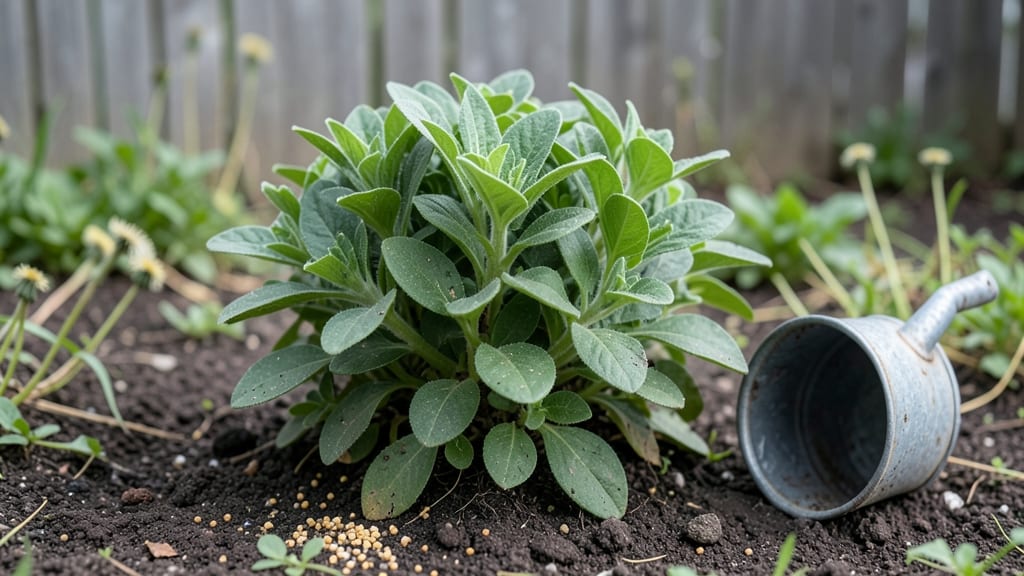
Your flowers aren't blooming because they're silently screaming for something you're missing—whether it's sunlight, food, or a good pruning. 🌸 I've had entire beds of petunias and impatiens throw down their blooms in protest, and the fixes are simpler than you'd think.
Most gardeners overlook the basics: too much nitrogen, not enough light, or plants that are just too young to flower.
The first step is checking your plants for visual clues—yellow leaves mean overwatering or nutrient burn, while sparse foliage signals underfeeding. I learned the hard way that my hydrangeas were starving for phosphorus, not nitrogen, which is why they kept throwing out leaves instead of blooms.
A quick soil test or leaf inspection can point you to the exact problem, and the solutions are often as easy as adjusting your fertilizer or moving the pot to a sunnier spot.
Once you identify the issue, the fixes are straightforward: prune back leggy growth, switch to a bloom-boosting fertilizer, or give them a few extra hours of sunlight.
Within weeks, you'll see buds forming where there were none before. The key is patience—some plants, like roses, need time to mature before they'll flower reliably.
This works for container plants, in-ground beds, and even houseplants struggling to bloom. The same principles apply whether you're dealing with annuals, perennials, or tropicals. Let's get those flowers talking again—literally.
Why it happens
If your garden is full of lush green leaves but stubbornly refuses to burst into color, don’t panic—your flowers aren’t necessarily rejecting you. 🌱 The truth is often hidden in the science of plant biology, where subtle shifts in environment, care, or even genetics can stall the blooming process.
Let’s dig into the real culprits holding back those vibrant flowers and what’s actually happening under the soil (and above it!).
🌡️ Insufficient Light: The Energy Crisis
Flowers bloom because they’re supposed to—it’s their reproductive mission! But this process requires photosynthesis powerhouses, and without enough sunlight, your plants simply don’t have the energy to produce blooms.
Most flowering plants need 6 to 8 hours of direct sunlight daily, though some (like impatiens or ferns) tolerate partial shade. If your garden is shaded by trees, buildings, or even neighboring plants, chlorophyll production drops, and the plant redirects energy to leaf growth instead.
Science alert: The hormone ethylene (which triggers flowering) is produced in response to light exposure. Without it, buds form but never open—or they form at all.
Actionable fix:
- 🔍 Audit your light: Use a light meter or observe shadows—if a plant’s leaves are dark green and leggy, it’s light-starved.
- 🌞 Relocate or prune: Move pots to sunnier spots or trim overgrown branches blocking light.
- 💡 Supplement with grow lights: LED grow lights (12–16 hours/day) can save indoor plants like African violets or orchids.
💧 Water Woes: Too Much or Too Little
Water isn’t just about hydration—it’s a chemical signal for flowering. Too little, and the plant goes into survival mode (think drought-resistant cacti, which bloom only under stress). Too much, and roots suffocate, starving the plant of oxygen and nutrients needed for bloom production.
Science alert: Overwatering triggers anaerobic conditions in the soil, which boosts ethylene (the same hormone that ripens fruit)—but in excess, it can prevent flowering by disrupting nutrient uptake (like phosphorus, critical for blooms).
Actionable fix:
- 🌧️ Check soil moisture: Stick your finger 1–2 inches deep; if it’s damp, wait. If dry, water deeply until it drains from the bottom.
- 🚰 Drainage is non-negotiable: Pots without holes = root rot. Add perlite or sand to heavy soil to improve aeration.
- 💧 Adjust for your plant: Succulents (like jade plants) need less water; tropicals (like hibiscus) crave consistent moisture.
🍽️ Nutrient Imbalance: Starving for the Right Fuel
Not all fertilizers are created equal. If your soil is overloaded with nitrogen (the "green juice" for leaves), your plants will prioritize foliage over flowers. Meanwhile, a deficiency in phosphorus (P) or potassium (K) can halt bloom production entirely.
Science alert: Phosphorus is the "bloom boss"—it activates enzymes that trigger flower formation. Potassium regulates water and nutrient transport, ensuring buds get the energy they need. A soil test will reveal if your ratios are off (ideal for flowers: 10-10-10 or 5-10-10).
Actionable fix:
- 📊 Test your soil: Home kits (like Luster Leaf) or lab tests (from extension offices) reveal pH and nutrient levels.
- 🌿 Switch to bloom-boosting fertilizer: Look for labels with higher phosphorus (second number), like 7-9-5 or 3-4-6.
- 🍄 Feed strategically: Apply fertilizer when new growth appears (spring/summer) and stop 6–8 weeks before first frost—plants need time to process nutrients.
⏳ Timing and Temperature: The Blooming Clock
Some plants are seasonal bloomers, and if you’re not in sync with their natural rhythms, you’ll be waiting forever. Day length (photoperiod), temperature shifts, and even vernalization (a cold period to "wake up" dormant buds) play roles.
Science alert:
- Short-day plants (like poinsettias or chrysanthemums) need 12+ hours of darkness to trigger blooms. Artificial lights at night can prevent flowering.
- Long-day plants (like snapdragons) bloom when days exceed 14 hours. If your area has short summer days, they may never set buds.
- Cold-sensitive plants (like roses or peonies) need a chill period (30–60 days below 45°F) to break dormancy.
Actionable fix:
- 📅 Know your plant’s needs: Check seed packets or plant tags for light/day requirements.
- 🌡️ Mimic seasons: For indoor plants, use blackout curtains (short-day plants) or grow lights (long-day plants).
- ❄️ Embrace winter: Move tender plants to a cooler garage or basement for 6–8 weeks before spring.
🐛 Stress and Pests: Silent Bloom Blockers
When a plant is under attack—whether from aphids, spider mites, or fungal diseases—it diverts energy to repair instead of reproducing. Even transplant shock or root-bound pots can trigger stress hormones like abscisic acid, which delays flowering.
Science alert: Pests like whiteflies inject toxins that disrupt plant hormones, while fungal infections (like powdery mildew) clog stomata, reducing photosynthesis—both directly inhibit bloom formation.
Actionable fix:
- 🔍 Inspect regularly: Check undersides of leaves for eggs, webs, or discoloration.
- 💦 Treat early: Neem oil (for pests) or copper fungicide (for mildew) can restore balance.
- 🌱 Reduce stress: Repot root-bound plants, mulch to retain moisture, and avoid overcrowding.
🌱 Age and Genetics: The Unchangeable Factors
Some plants are slow starters. Young perennials (like daylilies or lavender) may take 2–3 years to mature enough to bloom. Others, like biennials (foxgloves, hollyhocks), need a full growing season to store energy before flowering the next year.
And let’s not forget genetics—some varieties (like spray roses) are bred to focus on foliage over blooms.
Science alert: The hormone florigen (the "bloom switch") accumulates over time in the plant’s meristem (growth points). Without enough stored energy, it never "flips the switch."
How to solve it
If your garden is full of lush green leaves but stubbornly refuses to bloom, don’t despair—there’s a solution for every problem! Below, we’ve mapped out practical fixes for the most common reasons your flowers are playing hard to bloom.
Follow these steps to coax vibrant blooms out of your plants, and don’t forget the prevention tips to keep your garden thriving long-term.
###
🌱 Not Enough Sunlight? Move Them to the Light
Many flowers need full sun (6+ hours daily) to trigger blooming. If your plants are in shade, they’ll focus on leaf growth instead.
- 🔥 Relocate: Shift potted plants to a sunnier spot or move them closer to a south-facing window. For in-ground plants, trim nearby trees or structures blocking light.
- 🌡️ Adjust gradually: If moving suddenly shocks the plant, acclimate it over 1–2 weeks by exposing it to more light each day.
- ✨ Supplement: Use a grow light (12–16 hours/day) for indoor plants like African violets or orchids.
Prevention tip: Research your flower’s sunlight needs before planting—some (like impatiens) tolerate partial shade, while others (like roses) demand full sun.
###
💧 Overwatering or Underwatering? Get the Moisture Right
Too much or too little water stresses plants, halting blooms. Most flowers prefer consistent moisture—not soggy soil or drought.
- 👨🍳 Check soil: Stick your finger 1–2 inches deep. If dry, water deeply; if muddy, hold off until the top inch is dry.
- 🔪 Improve drainage: Add perlite or sand to heavy soil, or repot in containers with drainage holes.
- 🌧️ Water deeply but less often: Aim for 1–1.5 inches per week (adjust for climate). Drip irrigation or soaker hoses prevent uneven moisture.
Prevention tip: Group plants with similar water needs together to simplify care. Mulch (2–3 inches) retains moisture and regulates temperature.
###
🍽️ Wrong Food Mix? Feed Them the Right Nutrients
Too much nitrogen = leafy monsters; too little phosphorus/potassium = weak blooms. Use a balanced fertilizer (e.g., 10-10-10) or a bloom booster (5-10-10 or higher in phosphorus).
- 📊 Test your soil: A $20 soil test kit (or lab test) reveals deficiencies. Amend with compost or specific amendments (e.g., bone meal for phosphorus).
- 🥗 Feed at the right time:
- Spring/summer: Fertilize every 4–6 weeks.
- Fall: Reduce feeding to encourage root growth for next season.
- 🍎 Avoid over-fertilizing: Yellow leaves or burnt edges mean you’ve overdone it. Flush soil with water if needed.
Prevention tip: Slow-release granules or organic options (like fish emulsion) reduce the risk of overfeeding.
###
🌡️ Temperature or Humidity Issues? Create the Perfect Microclimate
Some flowers (like geraniums) love heat, while others (like pansies) prefer cooler temps. Extreme heat or cold can stall blooming.
- 🔥 Shield from heat: Use shade cloth (30–50%) for delicate flowers in hot climates. Water in the morning to cool leaves.
- ❄️ Protect from cold: Move tender plants indoors or cover them with frost cloth before frost. Avoid fertilizing in extreme cold.
- 💦 Boost humidity: Mist leaves daily or place a tray of water near plants (great for ferns or orchids). Group plants together to create a humid microclimate.
Prevention tip: Choose flowers native to your climate zone—they’re already adapted to local conditions!
###
🪴 Crowded or Root-Bound? Give Them Space to Breathe
Overcrowded plants compete for nutrients and light, leading to fewer (or no) blooms. Root-bound pots also stress plants.
- 🔪 Prune aggressively: Cut back overgrown foliage by 1/3 to redirect energy to blooms. Use clean shears to avoid disease.
- 🌱 Repot or divide:
- For potted plants: Repot into a container 1–2 inches larger, using fresh potting mix.
- For perennials: Dig up clumps, divide with a knife, and replant sections.
- ⏰ Thin seedlings: If sowing from seed, remove weaker seedlings to give strong ones room to grow.
Prevention tip: Space plants according to their mature size at planting time (check seed packets or plant tags).
###
🐛 Pests or Disease Stopping Blooms? Treat and Prevent Infestations
Pests like aphids or fungal diseases (like powdery mildew) drain energy from plants, preventing blooms. Act fast!
- 🔍 Inspect regularly: Check undersides of leaves for pests. Look for discolored spots, mold, or sticky residue (honeydew).
- 💦 Blast off pests:
- Spray with neem oil or insecticidal soap for soft-bodied pests (aphids, mites).
- Use horticultural oil for scale or mealybugs.
- 🌡️ Improve airflow: Space plants properly and prune to reduce humidity traps where fungus thrives.
- 🌿 Prevent future issues: Rotate crops annually, sterilize tools with rubbing alcohol, and avoid overhead watering.
Prevention tip: Introduce beneficial insects (like ladybugs) or companion plants (like marigolds) to deter pests naturally.
###
🌿 Wrong Plant for the Job? Choose the Right Variety Next Time
Some plants are foliage stars (e.g., ferns, hostas) and rarely bloom. If your "flowers" are leafy but never produce blooms, it might be the wrong plant!
- 🔎 Research before buying: Opt for bloom-focused varieties like:
- Annuals: Petunias, zinnias, marigolds
- Perennials: Coneflowers, black-eyed Susans, daylilies
- Bulbs: Tulips, daffodils, alliums
- 🌱 Swap out non-bloomers: Replace leafy plants with blooming counterparts (e.g., swap a hosta for a coral bells variety that flowers).
- 💡 Try "bloom-encouraging" tricks
Frequently asked questions
Why do my flowers keep growing leaves but no blooms?
This is often due to an imbalance in nutrients—your plants are getting too much nitrogen (which fuels leafy growth) but not enough phosphorus. Phosphorus is the key nutrient for flower development. Switch to a bloom-specific fertilizer with a higher middle number (like 5-10-10) and watch your plants redirect energy toward blooms instead of leaves.
How do I know if my plants need more sunlight?
Check for leggy stems and dark green leaves—these are classic signs of light starvation. Most flowering plants thrive with 6-8 hours of direct sunlight daily. If your garden is shady, try moving potted plants to sunnier spots or supplement with grow lights for 12-16 hours a day, especially for indoor plants like African violets.
Can overwatering really prevent blooms?
Overwatering creates anaerobic conditions in the soil, which disrupts nutrient uptake—especially phosphorus and potassium. Always check soil moisture by sticking your finger 1-2 inches deep. If it's damp, wait to water. Improve drainage by adding perlite or sand to heavy soil, and ensure pots have drainage holes to prevent root rot.
What should I do if my plants are root-bound?
Root-bound plants struggle to absorb nutrients and water efficiently, which directly affects blooming. Repot your plants into a container 1-2 inches larger, using fresh potting mix. For perennials, divide the clumps and replant sections to give them more space. This reduces competition for resources and encourages new growth and blooms.
Are there any plants that naturally bloom less?
Yes! Some plants, like ferns or hostas, are primarily foliage plants and rarely produce flowers. If you're growing these for aesthetic purposes, consider swapping them for bloom-focused varieties such as petunias, coneflowers, or daylilies, which are bred specifically to produce vibrant flowers. Always check plant tags for blooming habits before purchasing!